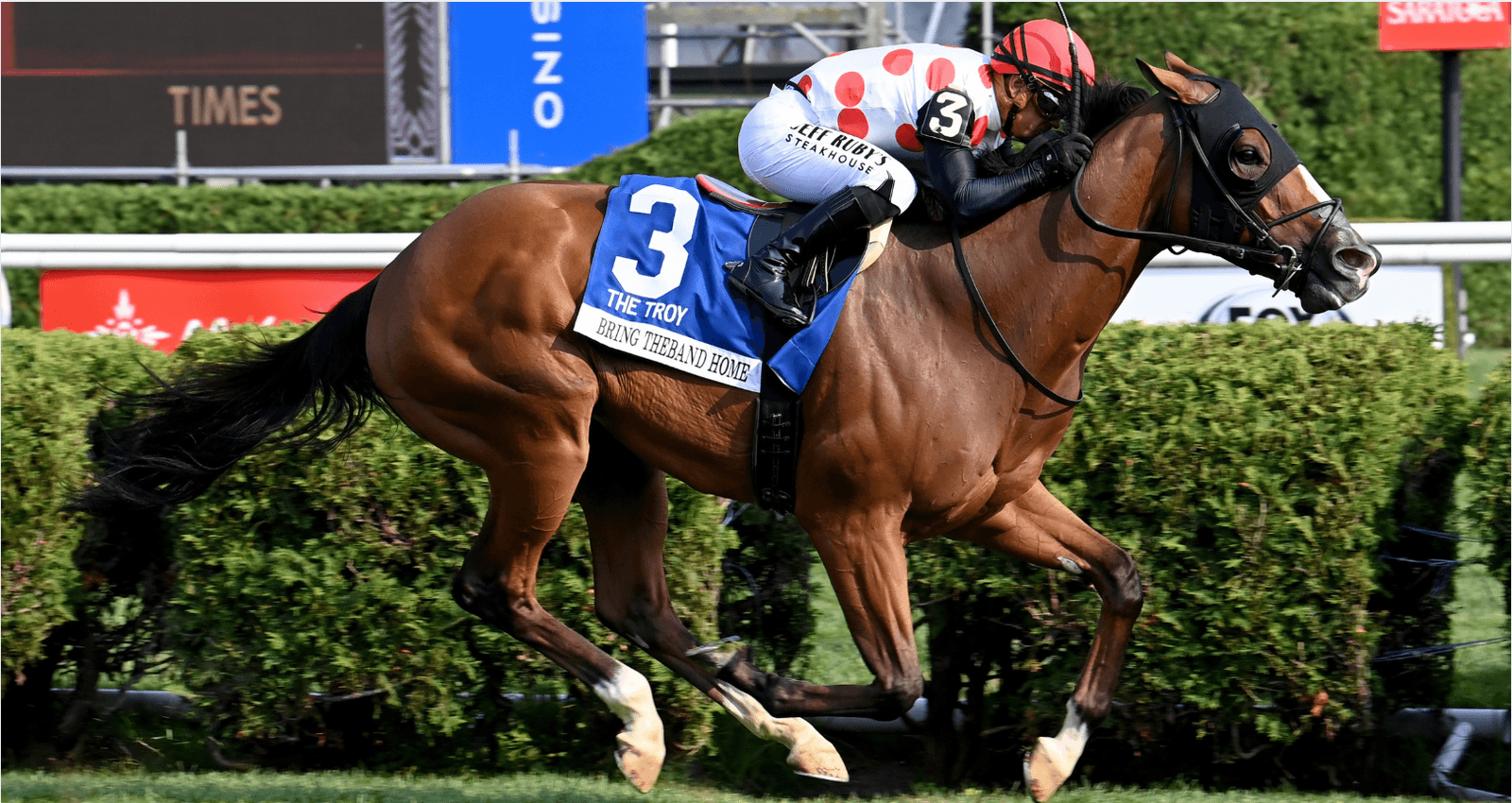
Kentucky enacts fixed-odds wagering, blocks stallion cap after veto override
Kentucky just rewrote how racing bets can be made: fixed-odds wagering is now law, and breeders lost their shot at a stallion cap.
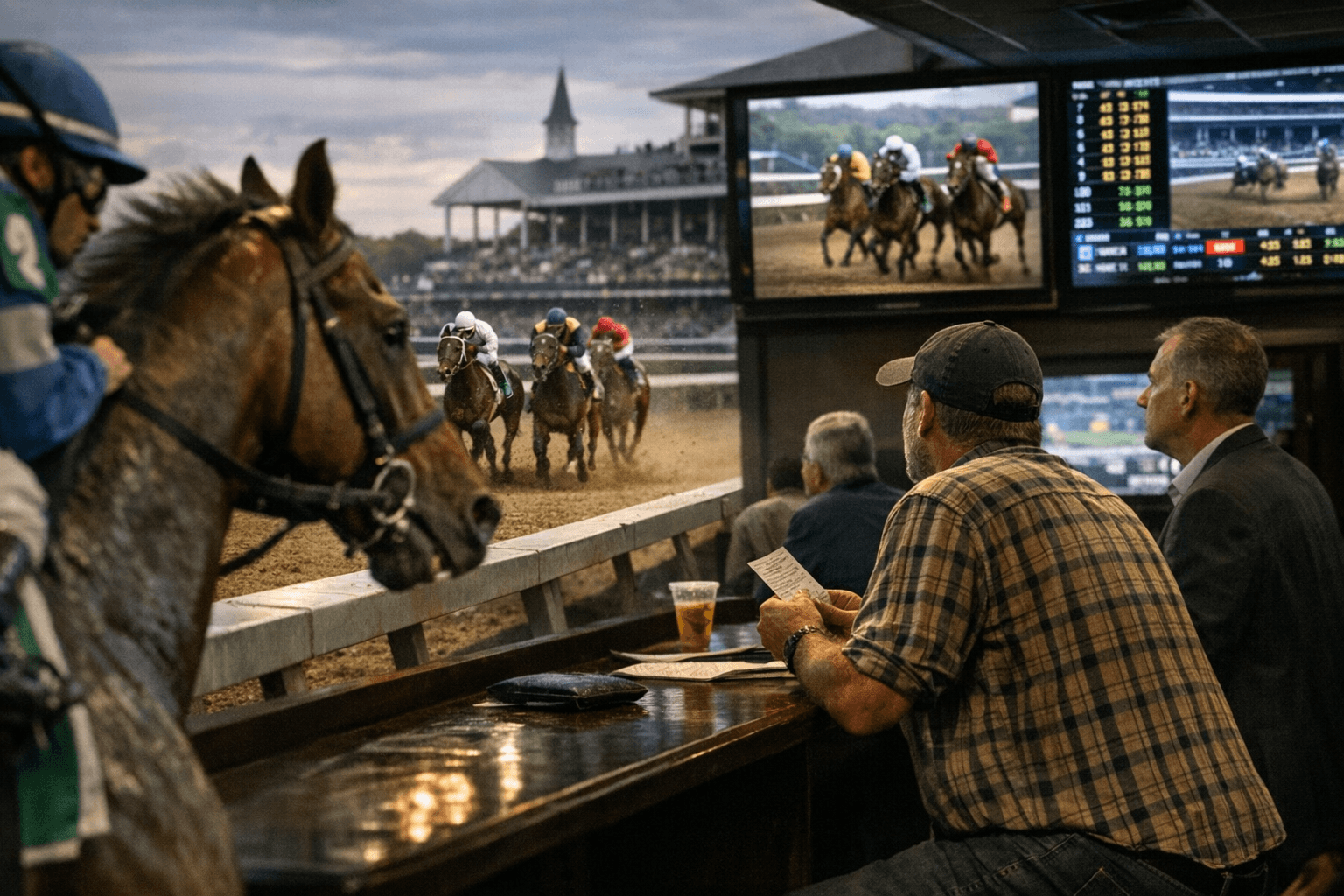
Kentucky has opened the door to fixed-odds wagering, a shift that could change how fans bet races and how tracks compete for wagering dollars in the state most tied to American Thoroughbred racing. The legislature overrode Gov. Andy Beshear’s veto on April 14, sending House Bill 904 to the Kentucky Secretary of State and making it law, while also blocking any cap on the number of mares bred to a stallion in a year.
For bettors, the biggest change is simple: Kentucky now has a statutory framework for fixed-odds wagers on horse racing at licensed tracks, instead of relying only on pari-mutuel betting, where the final price moves with the pool. The bill also creates a purse stabilization fund tied to fixed-odds wagering revenue, a sign lawmakers want the new model to feed back into the sport rather than just into a different betting menu. HB 904 sets a 15% excise tax on adjusted gross revenue from fixed-odds wagering on live horse racing, with the bill splitting that levy at 9.75% for on-track wagers and 14.25% for online and mobile bets placed through approved technology.
The law also forces the industry to modernize its machinery. Tracks that offer fixed-odds wagering will need updated racing technology, including a totalizator upgrade by April 1, 2027. In practical terms, Kentucky is not just legalizing a different way to bet. It is telling tracks, tote companies and wagering operators that the infrastructure has to catch up fast.
Beshear’s veto was aimed elsewhere. In his message, he objected to parts of the bill that would have allowed the Kentucky Lottery Corporation and the Kentucky Horse Racing and Gaming Corporation to file emergency and ordinary administrative regulations without gubernatorial review. The override overruled that objection and made the broader gaming package law anyway.
That package is sweeping. Legislative summaries describe HB 904 as a broad gaming bill that also covers fantasy contests and sports wagering regulation, but the stallion language may carry some of the deepest consequences for Kentucky’s breeding economy. House Speaker David Osborne, a Republican from Oldham County and a Thoroughbred owner and breeder, introduced the anti-stallion-cap amendment during House debate. The bill now prohibits any restriction on the number of mares bred to a stallion in a calendar year, with only a narrow possible exception for a unanimous international agreement.
That reverses the direction of a debate that had sharpened since The Jockey Club adopted a 140-mare cap in May 2020 to address concerns about genetic diversity. For Kentucky, home to the Derby and a huge share of the North American breeding base, the stakes reach well beyond Frankfort. The betting rules could reshape how racing is sold to fans, while the breeding language protects the commercial power of stallions at the center of the state’s bloodstock business.
This article was produced by Prism’s automated news system from verified source data, official records, and press releases, then run through automated quality and moderation checks before publishing. The system is built and supervised by the people who set the standards it runs under. Read our full AI policy.
Did this article answer your question?