Kentucky Revives Equine Drug Research Council After Three-Year Hiatus
Bill Landes revived Kentucky's Equine Drug Research Council on March 24, with a $1.5M budget and plans for a new research RFP.
Bill Landes took the chair of the Kentucky Equine Drug Research Council for the first time on March 24, 2026, convening a group that had gone dark for more than three years and now controls roughly $1.5 million in dedicated racing research funds.
The council held its first meeting since January 2023 on March 24, 2026. The Kentucky Horse Racing & Gaming Corporation restarted the EDRC to analyze existing equine drug research and testing, recommend projects for funding, and advise the corporation with the aim of enhancing safety and integrity in racing. Committee member Dr. Michael Kilgore captured the mood in a single line: "The EDRC is back in business!"
The three-year gap in meetings is attributed to a confluence of factors: the retirement of former Kentucky Equine Medical Director Dr. Bruce Howard, the implementation of the Horseracing Integrity and Safety Authority rules, and the legislative transition from the Kentucky Horse Racing Commission to the Kentucky Horse Racing & Gaming Corporation.
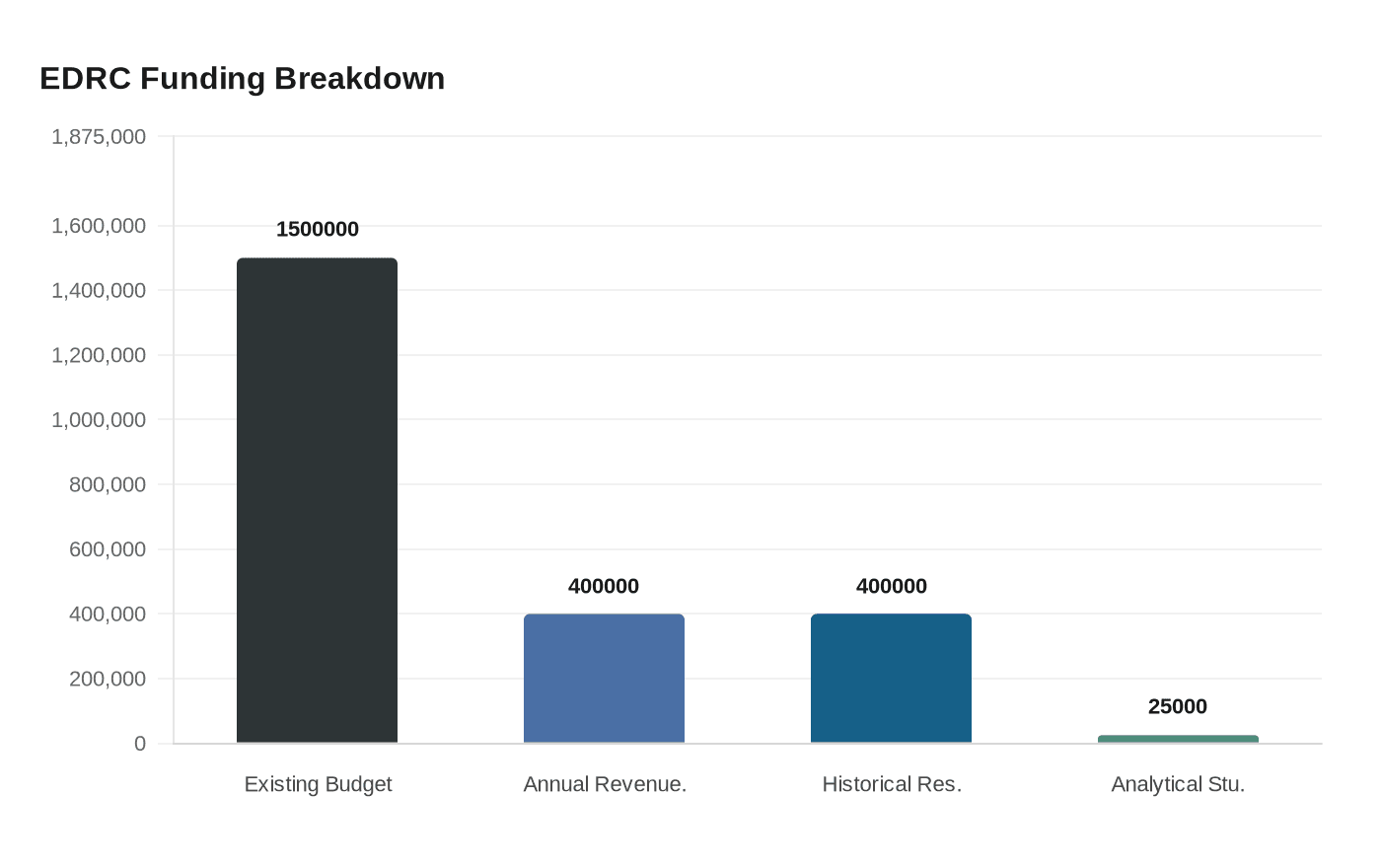
The EDRC's existing $1.5 million budget is generated by an excise tax of 0.1 percent of all money wagered on live races and historical horse races, capped at $320,000 for the historical horse racing portion, as well as 0.05 percent of money wagered on simulcasting. Annual revenue for the EDRC is projected to be around $400,000. Under Kentucky statute KRS 230.265, those funds are directed specifically toward drug research, testing research, equine medical research, equine health research, and any related regulatory or administrative activity, with priority given to work that takes place within Kentucky racing.
Landes, a KHRGC board member stepping into the new chair role, plans to release an official request for proposals for that funding in the coming months. The council's nine seats are appointed by the Governor, with recommendations drawn from organizations including the Kentucky Association of Equine Veterinarians and the Kentucky division of the Horsemen's Benevolent and Protective Association. Among the committee members who will help decide how future funding is spent are Dr. Michael Kilgore, James Austin Luttrell, Dr. Andy Roberts, Mike Ziegler, Dr. Alan Ruggles, Rick Hiles, and Dr. John Park. One seat on the committee remains open.
Kentucky's current equine medical director, Dr. George Mundy, explained that past projects funded by the EDRC include a study of StrideSafe biometric sensors, the development of gene-doping detection, mRNA studies of injury risk, and support for post-mortem racing necropsies. Those efforts reflect a broader mandate that dates back through the council's history: historically, the EDRC recommended approval of six equine research projects totaling nearly $400,000 over a two-year period, and separately backed a $25,000 analytical study to examine the levels of regulated substances found in the racetrack environment. The council has also adopted positions supporting screening limits at drug-testing laboratories and approved plans for double-blind quality assurance testing on Kentucky's racing lab.
The next meeting has been tentatively scheduled for April 21. With an RFP on the horizon and a nearly fully seated council, the EDRC is positioned to resume a direct role in shaping how Kentucky allocates its drug research dollars at a moment when both HISA's national framework and the state's own regulatory evolution are still settling into place.
This article was produced by Prism’s automated news system from verified source data, official records, and press releases, then run through automated quality and moderation checks before publishing. The system is built and supervised by the people who set the standards it runs under. Read our full AI policy.
Did this article answer your question?