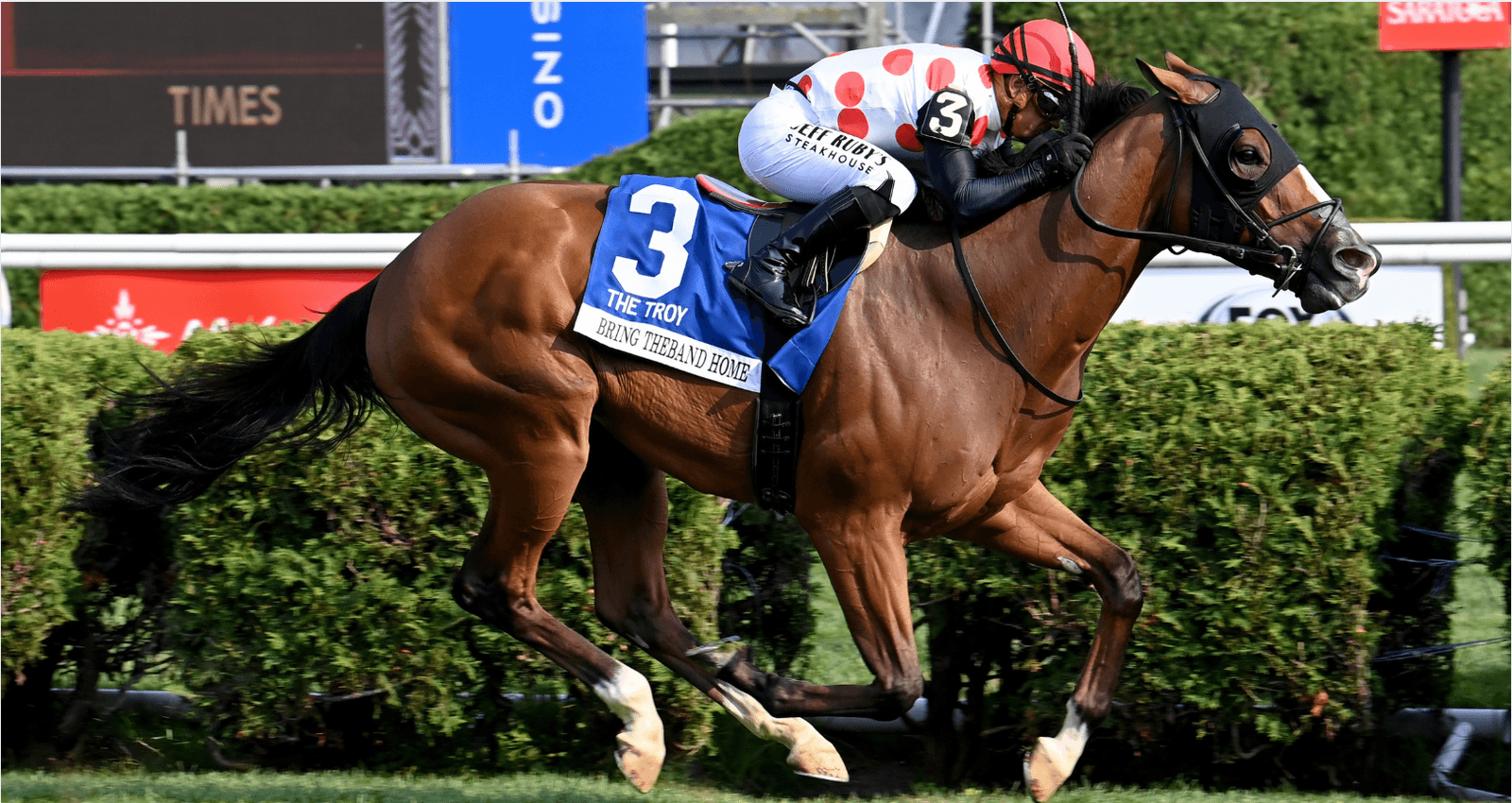
Kentucky shortens vet list stay for unsound horses to seven days
Kentucky cut the unsoundness vet-list stay from 14 days to seven, effective immediately. Officials said the move keeps horses moving without weakening safety checks.
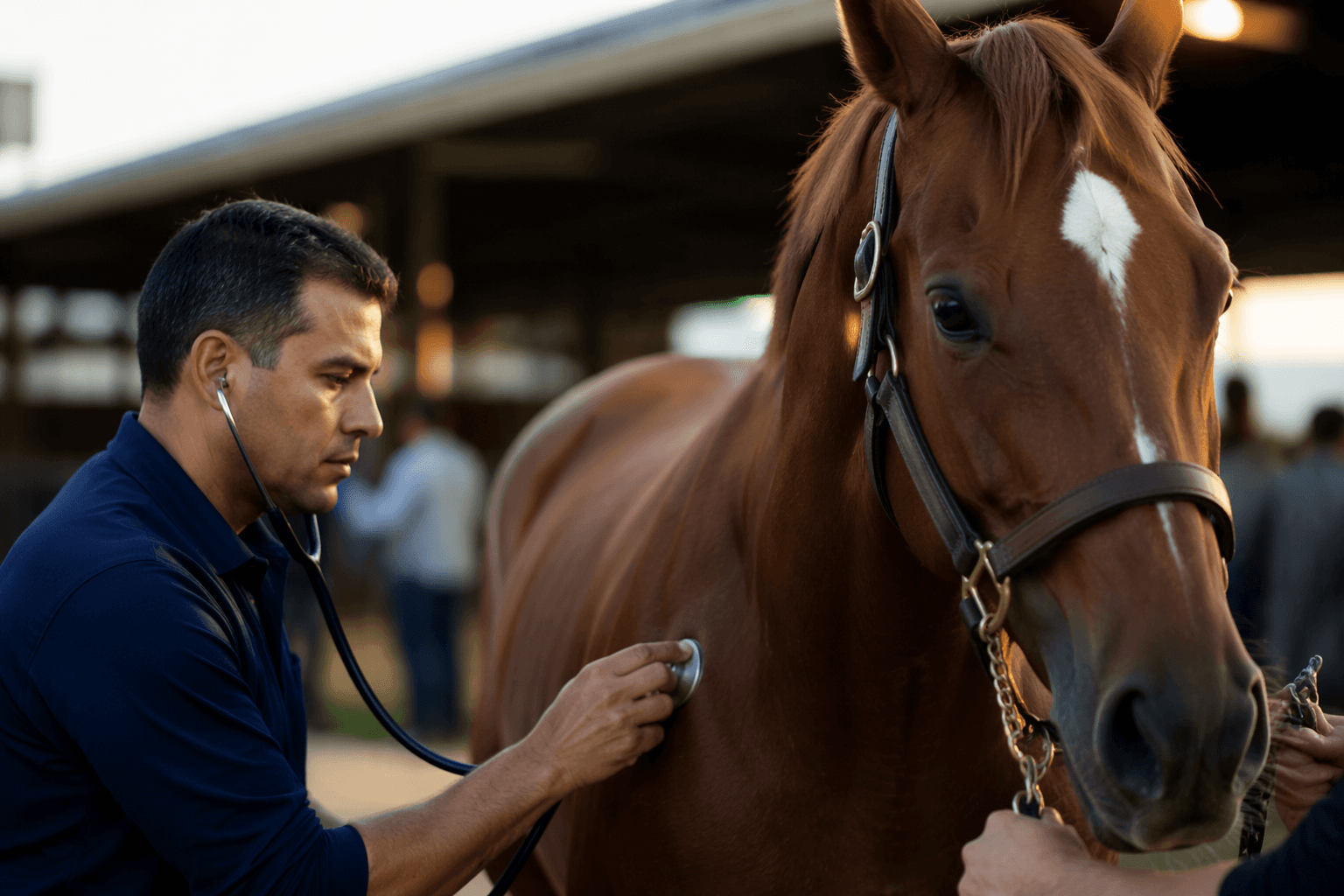
A horse that lands on Kentucky’s veterinarian list for unsoundness will now sit there seven days instead of 14, a shift that takes effect immediately and is aimed at getting runners back to work sooner without loosening the safety net. The Kentucky Horse Racing and Gaming Corporation approved the change Tuesday, June 9, 2026, in a unanimous committee vote.
Charlie O’Connor, chairman of the Veterinary Procedures and Data Review Committee, said the goal was to bring “the same rules all over” and give owners and trainers a more realistic window to get a horse back on a schedule instead of leaving it on the list longer than necessary. The shorter timeline is meant to help horses that were scratched for a minor issue or precautionary reasons, while still preserving the basic welfare checkpoint that keeps an unsound horse from returning too quickly.
Kentucky said the revision lines up with the Horseracing Integrity and Safety Authority’s broader framework, which already requires horses on the vets’ list for unsoundness, recency, or signs of physical distress or medical compromise to clear a multi-step process. That includes an exam by the attending veterinarian, a timed work in front of a regulatory veterinarian, and a post-work inspection. Under Kentucky’s revised rule, the horse still cannot simply show up and run: the attending veterinarian must approve the work, and the state veterinarian’s requested diagnostic imaging requirements still have to be met.
The change also fits into Kentucky’s wider push to smooth out regulatory vet-scratch issues after the state announced three initiatives on May 12 to improve communication and collaboration with horsemen. That effort included a committee with Terry Finley, Dale Romans, Charlie O’Connor, Bill Landes and Dr. George Mundy, and Kentucky has now ended a pilot program through the Kentucky HBPA that was designed to obtain a third-party veterinary opinion in some scratch cases.
For trainers, the practical effect is obvious: a horse that needs only a brief reset can come back into the barn’s rotation a week earlier, which can matter across a meet when spots fill fast and race targets come and go. For bettors and track operators at Churchill Downs and other Kentucky circuits, the upside is more available runners and potentially fuller fields, while the remaining concern is whether a shorter administrative window still gives enough time to sort out horses whose soundness needs more than a quick reset. Kentucky Horse Racing and Gaming, which regulates horse racing, pari-mutuel wagering, sports wagering, breed integrity and development, and charitable gaming in the state, chose to lean toward quicker recovery without changing the underlying safety checks.
This article was produced by Prism’s automated news system from verified source data, official records, and press releases, then run through automated quality and moderation checks before publishing. The system is built and supervised by the people who set the standards it runs under. Read our full AI policy.
Did this article answer your question?