Limestone edges Queen’s Vase by a nose at Royal Ascot
Limestone’s nose win over Del Maro in the Queen’s Vase turned Royal Ascot into a St Leger audition. Joseph O’Brien may have another staying colt.
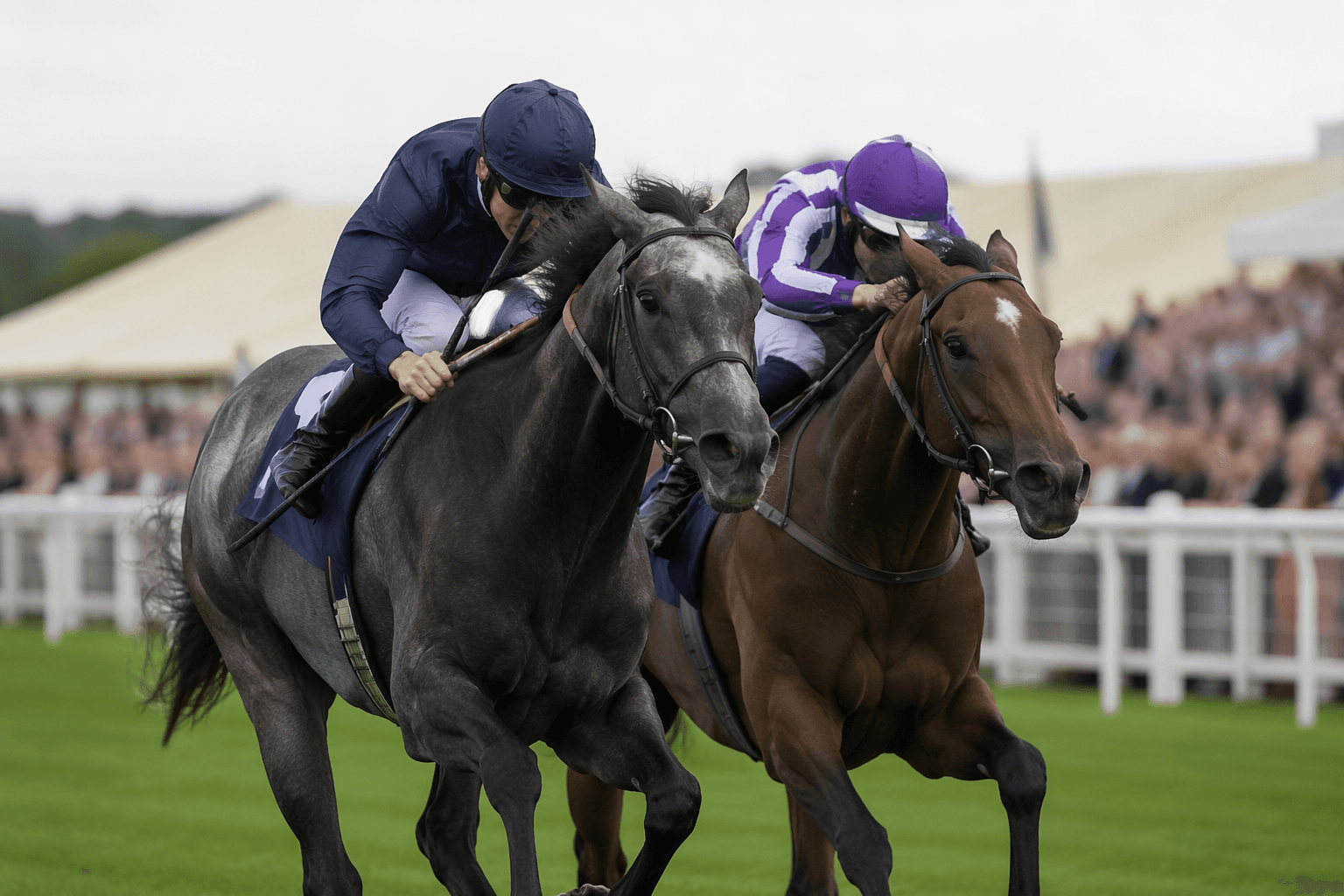
Limestone did more than win a tight Queen’s Vase at Royal Ascot. He looked like a colt who may already be outgrowing one race and pointing toward the next one that matters, because a nose defeat of Godolphin’s Del Maro over 1m6f34y suggested Joseph O’Brien has another serious staying prospect on his hands.
The Group 2 for three-year-olds was run at Ascot Racecourse over the demanding 14 furlongs that tend to expose anything short of real stamina. Limestone, ridden by Dylan Browne McMonagle, was kept in the right position throughout and finished with enough momentum to get his head in front in the photo, with the official margin returning as a nose. For a race that came without a clear standout on paper, the finish told the real story: Limestone had the class to sit near the speed and the toughness to finish better than the horse alongside him when it turned into a grind.
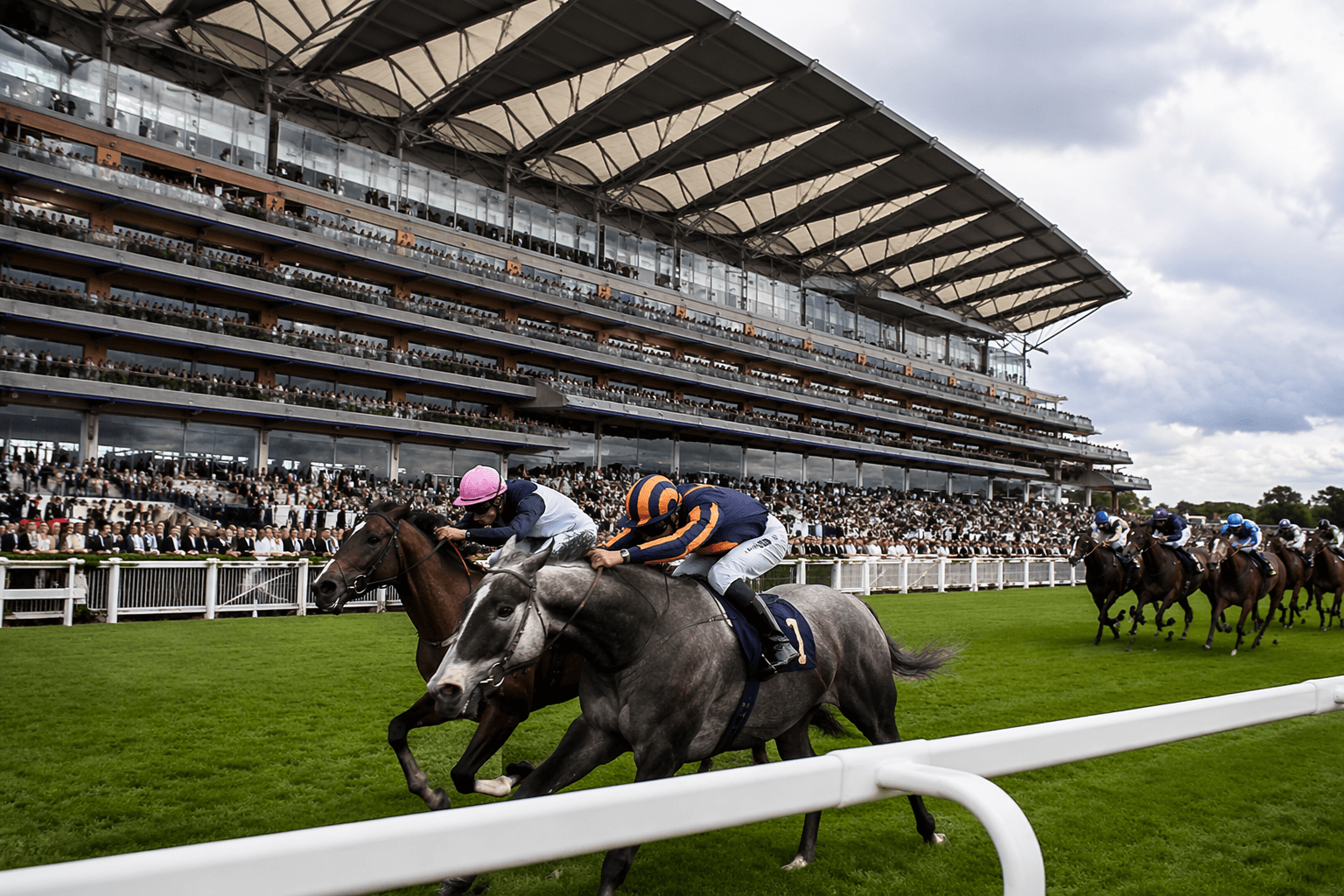
That matters because this was not simply a tidy Royal Ascot success. Ranga Tang, a 40-1 shot, stayed on for third after doing plenty of the early work and helping set the shape of the race. Del Maro, representing Godolphin, was beaten only narrowly, but Limestone’s late strength was the detail that changed the conversation around him. The winner’s prize money was about £150,282.50, but the larger payoff came in what the performance suggested about his ceiling.
McMonagle said he knew Limestone would come home strongly in the last furlong and felt the only real issue was that the colt had been caught a bit for pace when the race quickened off the bend. O’Brien was even more revealing about the horse’s profile, describing him as improving, relaxed and exceptionally tough when the race becomes attritional. That is the language connections use when they start thinking beyond a single good day and toward races that test both stamina and class.
The next target could be even bigger. O’Brien’s team were already viewing Limestone as a St Leger candidate, and the market reacted accordingly, with the colt shortened to 16-1 for Doncaster after the win. That kind of move is not handed out for a one-off photo finish. It is the market and the stable reading the same thing: Limestone looks like a colt built for staying races that get deeper, not easier, as the season develops.
There is pedigree substance behind the performance too. Limestone comes from the family of multiple black-type producer Modernstone and has ties to Lone Eagle and the Juddmonte family that includes Midday. That breeding supports the visual evidence. He is not just surviving at staying trips; he looks bred to keep improving as the distances stretch. The Queen’s Vase itself was upgraded from Listed to Group 2 and shortened from 16 furlongs to 14 in 2017 as part of British racing’s effort to support staying horses in Europe, and Limestone may have just shown why that race now carries real Classic weight. For O’Brien, who last completed a Royal Ascot-St Leger double with Eldar Eldarov in 2022, this was the sort of win that changes a colt’s trajectory.
This article was produced by Prism’s automated news system from verified source data, official records, and press releases, then run through automated quality and moderation checks before publishing. The system is built and supervised by the people who set the standards it runs under. Read our full AI policy.
Did this article answer your question?