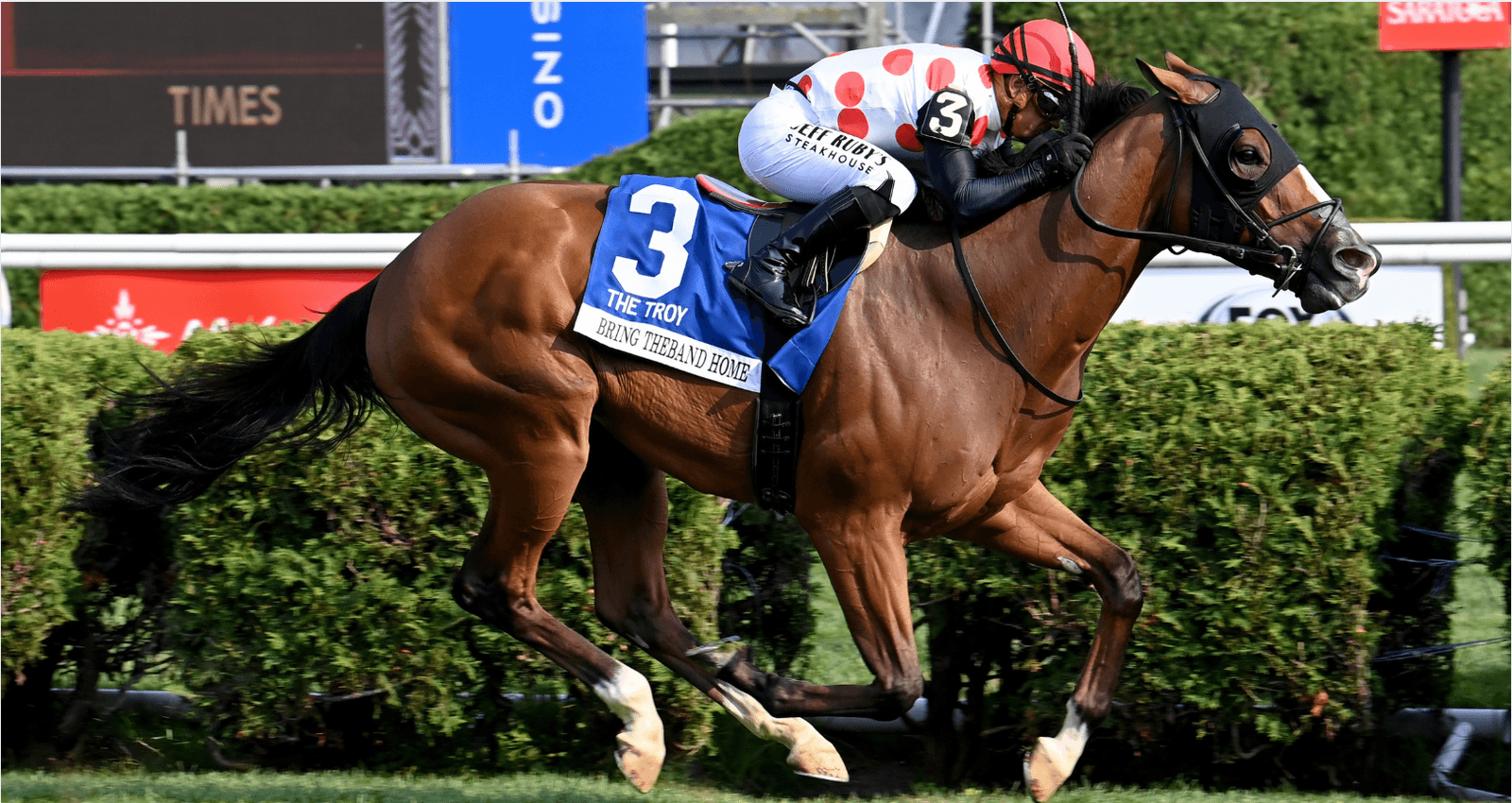
Mae Town returns at Churchill Downs in ideal comeback spot
Brian Lynch passed on a tougher spot, then found Mae Town a softer Churchill Downs return where her late kick and draw could make the comeback pay off.

Mae Town’s return at Churchill Downs looked less like a sentimental reset than a placement play. Trainer Brian Lynch held the 4-year-old filly out of the May 1 Unbridled Sidney when that spot felt too demanding, then pointed her to Churchill’s featured eighth race, a 5 1/2-furlong turf sprint that gave the Pea Patch Stakes winner a far cleaner path back to the winner’s circle.
That kind of patience matters to horseplayers because it usually signals intent. Lynch did not rush Mae Town into the wrong kind of race just to get her back on the board. He waited for a spot with multiple high-end allowance conditions, a $175,000 claiming option and a $141,000 purse, a mix that put her squarely in a class range where she could be competitive without being overmatched.
The setup also fit the filly’s running style. Mae Town had already shown she could finish when properly placed, rallying furiously through the final furlong to win the Pea Patch Stakes at Ellis Park last July. That effort was the kind that made her return worth watching, because it suggested the late run was real and not dependent on a perfect trip against soft company. After a layoff that stretched back to July 5, Lynch had reason to believe she could be dangerous if she retained that same turn of foot.

Post position added another layer of value. Lynch called the outside draw favorable, and Mae Town did not have to work through a massive field, with no more than eight rivals lined up against her. For a filly coming off an extended break, that matters. Fewer horses to sort through, a manageable pace scenario and a distance that matched her strengths all pointed toward a return built around probability rather than hope.
Lynch’s handling of Mae Town said as much about the barn’s thinking as it did about the filly herself. He was not chasing a date on the calendar or forcing a class cut just to get a race into her. He waited for a race she could actually win, and Churchill Downs offered the right combination of surface, distance, class and field size for a horse that had already proven she could close the deal when the placement was right.
This article was produced by Prism’s automated news system from verified source data, official records, and press releases, then run through automated quality and moderation checks before publishing. The system is built and supervised by the people who set the standards it runs under. Read our full AI policy.
Did this article answer your question?