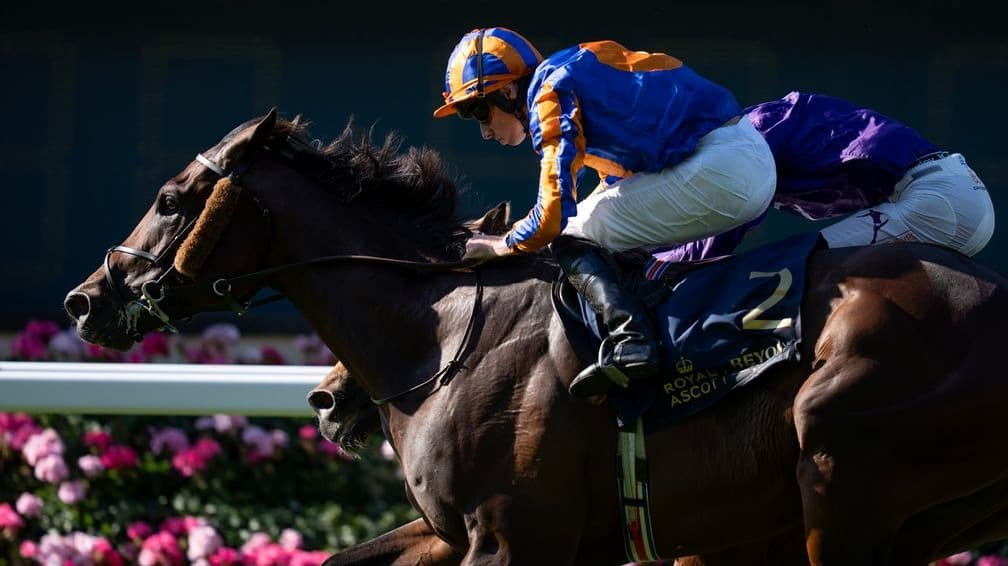
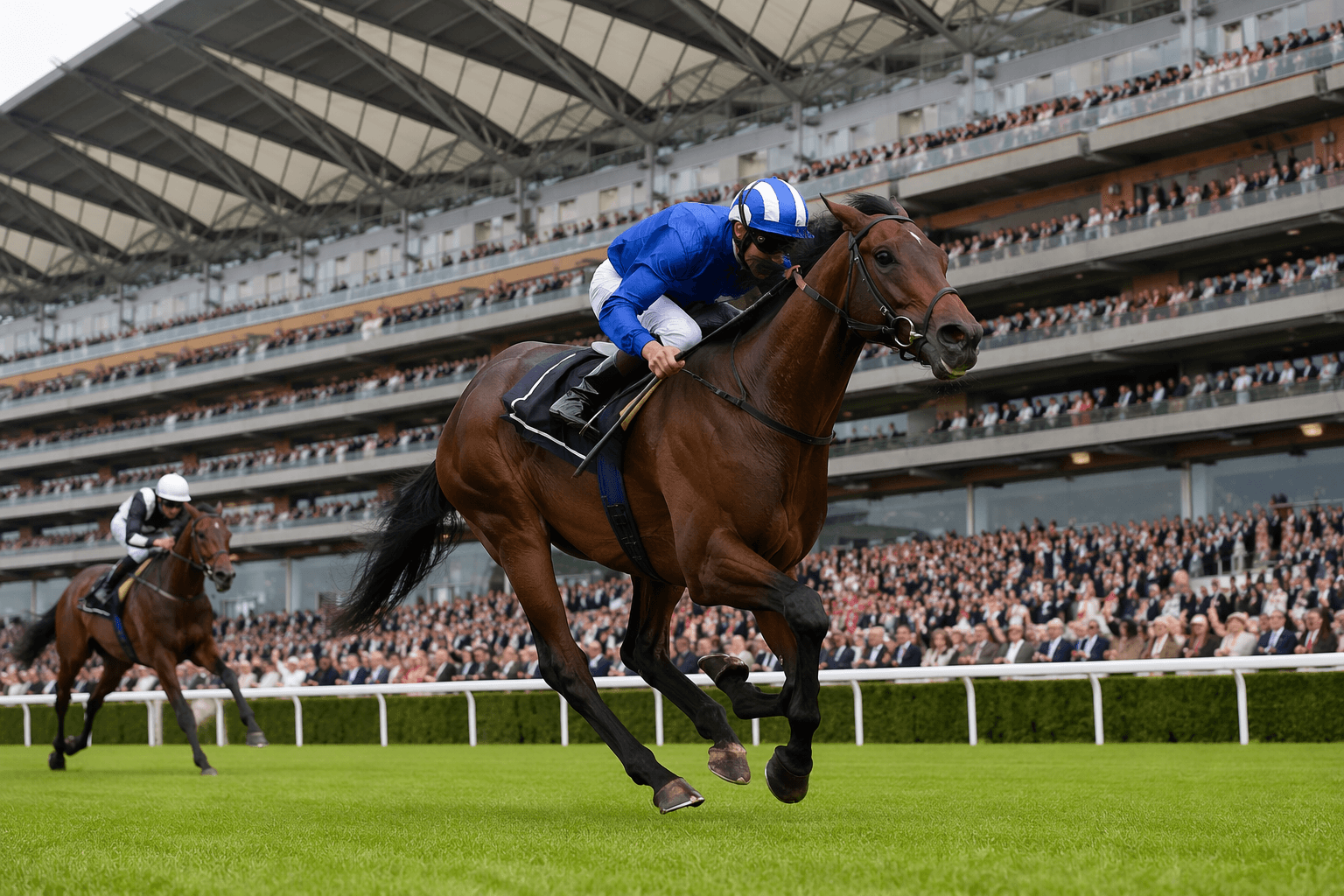
Met Mile field led by Journalism, Nysos draws stallion spotlight
Journalism and Nysos headline a seven-horse Met Mile that could swing stallion value as much as the purse. One mile can reshape a colt's market overnight.
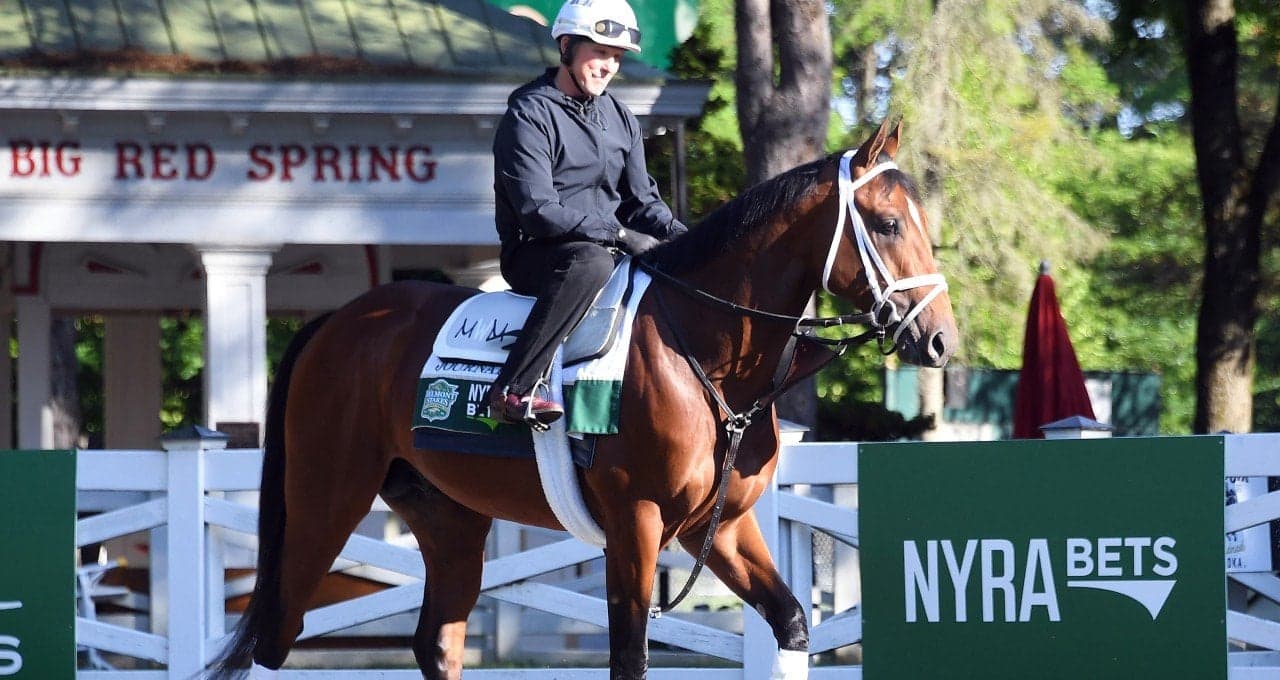
The Metropolitan Handicap is the kind of Grade 1 that looks like a race and behaves like an audition. With Journalism and Nysos anchoring a seven-horse field, the mile on Belmont Stakes day carries a commercial charge that reaches far beyond the finish line. A strong performance here does not just win trophies, it can change how breeders, buyers and owners price a colt's future.
Why the Met Mile matters as a business race
The Met Mile has always been a fast race with a long memory, but this edition is being framed as a stallion-making event because the horses in it already have names that matter. Journalism, a Preakness winner, arrives with the kind of résumé that gives any Grade 1 extra weight, while Nysos brings the sharper commercial storyline of a horse whose pedigree page already matches his racetrack reputation. In a race like this, the stopwatch is only half the story. The other half is what the performance says about durability, speed and whether a colt can be sold to the breeding market as more than a one-off star.
That is what makes the Met Mile such a sharp fit for the bloodline conversation. A mile is short enough to reward brilliance, but demanding enough to separate horses that merely look fast from horses that can repeatedly deliver under pressure. When a horse wins here, he is not just a Grade 1 winner, he is a proven dirt miler with a result that breeders can point to immediately when they are deciding whether to pay for a season, a foal or a future stallion prospect.
Journalism's chance to widen the lane
Journalism already owns the sort of name recognition that comes with winning the Preakness, and that matters in the stallion market as much as on the track. A Met Mile victory would give him something more specific than classic prestige: it would show that his appeal is not confined to one distance or one peak moment. For commercial purposes, that kind of evidence can raise his profile with breeders who want a colt that carries class and versatility, not just a single signature win.
The race also gives Journalism a chance to shape his campaign path in real time. If he handles the mile against a compact but serious field, the conversation shifts from whether he belongs in top-level company to what sort of target best fits him next. That can affect whether he is treated as a horse to press forward with in elite dirt races or as a prospect whose value is now building toward the breeding shed. In that sense, the Met Mile is as much a positioning race as it is a purse race.
Nysos brings the deepest commercial case
If Journalism supplies the headline horsepower, Nysos brings the clearest stallion pitch. He is a 5-year-old son of Nyquist out of Zetta Z by Bernardini, and his page already reads like one built for the market. His record, nine starts, seven wins and two seconds, plus more than $4.7 million in earnings, gives him the kind of résumé that breeders understand immediately: speed, consistency and enough class to suggest he can transmit more than raw talent.
The backstory behind that page matters too. Nysos sold for $550,000 as a 2-year-old at OBS April after having already changed hands as both a weanling and a yearling, which tells you he has been valued highly at multiple stages of his life. His female family runs through Unbridled Elaine and Glitter Woman, names that deepen the page and help explain why he is already being treated like a commercial commodity, not just a racehorse. When a horse combines that kind of family with a Breeders' Cup Dirt Mile victory, a Laffit Pincay Jr. win and a runner-up finish in the Saudi Cup, the breeding argument practically writes itself.
That is why Nysos is such a central piece of the Met Mile frame. He has already shown he can be an elite dirt miler, and this race gives him another chance to prove that his best efforts travel cleanly against a Grade 1 field. If he wins, the market can point to a deeper body of proof: a high-end pedigree, a blue-chip page, major stakes wins and the ability to keep showing up when the level rises. That combination is exactly what creates stallion buzz.
How the rest of the field can change the story
The stallion angle is not limited to the two biggest names. The reason races like this draw so much attention is that an upset can redraw the entire commercial map. If a less familiar runner such as Vibe or another entrant breaks through, the value conversation changes overnight, because the market is always looking for a new horse who can leap from useful runner to meaningful prospect with one Grade 1 performance.
That is what makes this race bigger than the purse attached to it. A colt who wins the Met Mile can strengthen his reputation, improve his market position and alter the rest of his campaign in one afternoon. For Journalism, it could mean confirming that his Preakness form belongs in a broader elite frame. For Nysos, it could mean turning an already strong pedigree page into a far louder stallion case. For the seven-horse field as a whole, the race is a business event wrapped inside a sporting one, and the breeding shed will remember the result long after the mile is run.
This article was produced by Prism’s automated news system from verified source data, official records, and press releases, then run through automated quality and moderation checks before publishing. The system is built and supervised by the people who set the standards it runs under. Read our full AI policy.
Know something we missed? Have a correction or additional information?
Submit a Tip