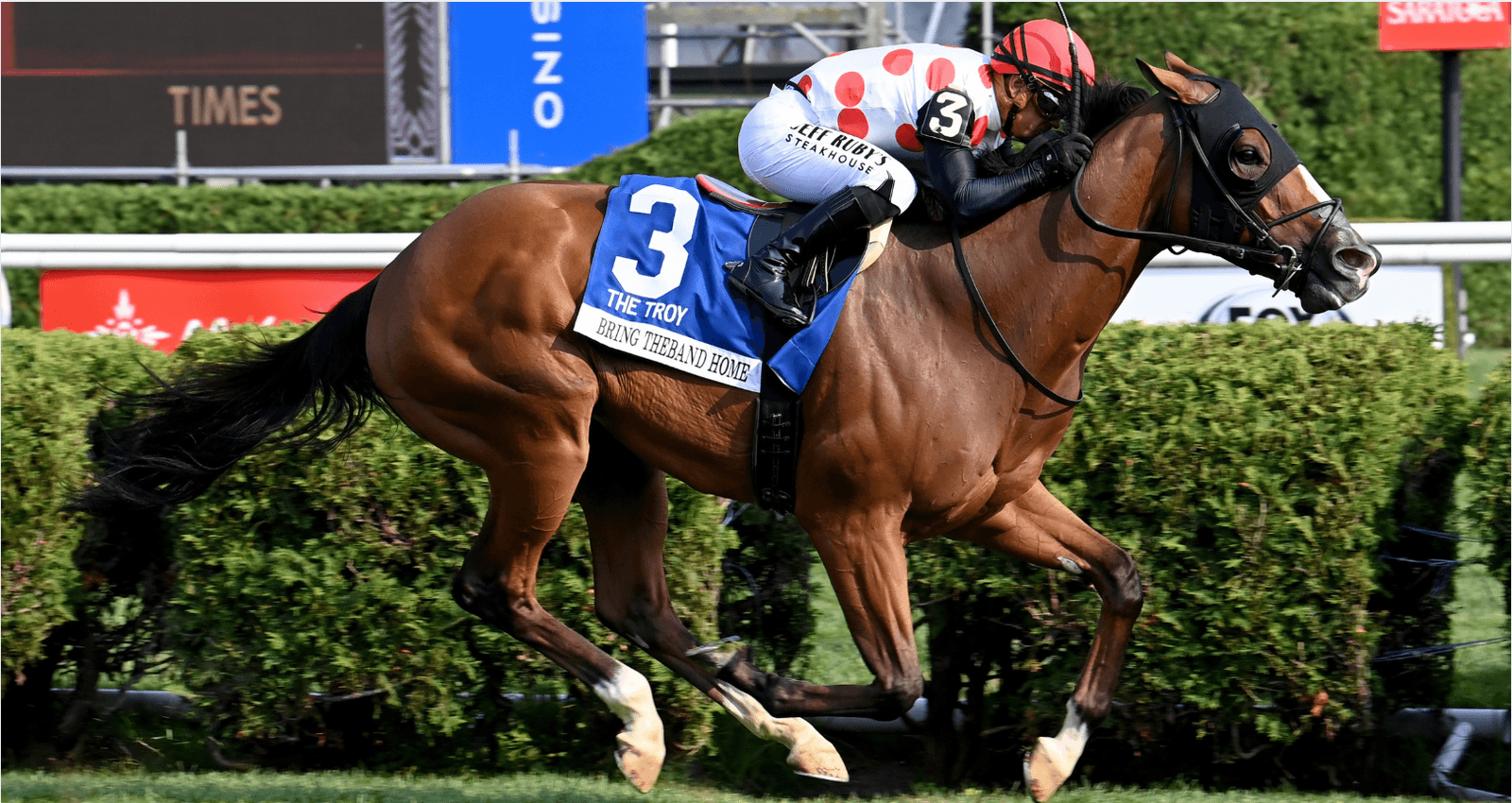
Mike Repole Questions Bill Lear's Outsized Influence in Horse Racing Governance
Mike Repole named attorney Bill Lear the "Puppet Master" of American racing on X, targeting his simultaneous roles at The Jockey Club, Keeneland, and as HISA's principal draftsman.
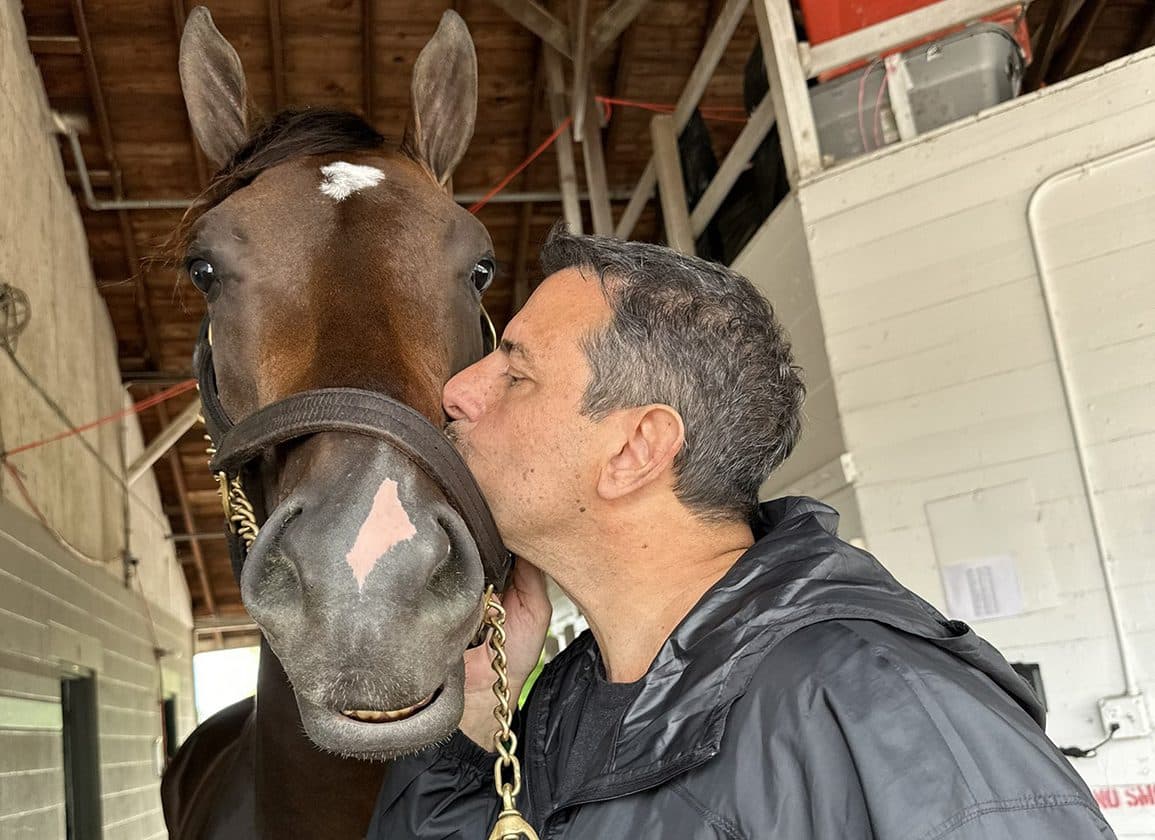
Prominent owner Mike Repole ignited a governance debate across American horse racing this week when he took to X to publicly identify attorney Bill Lear as the "Puppet Master" pulling the sport's institutional strings, posting what he described as a "fact check" on Lear's interlocking positions at the industry's most powerful organizations.
Repole's post named Lear, an attorney at the Louisville-based firm Stoll Keenon Ogden (SKO), in three distinct capacities: as a Jockey Club Steward, a Keeneland Trustee, and the principal draftsman of HISA, the Horseracing Integrity and Safety Act that reshaped the sport's regulatory architecture. "When Mike Repole took to X this week to name Bill Lear as the 'Puppet Master' of American horse racing, the industry's collective intake of breath should have been heard from Lexington to Saratoga," Pastthewire wrote in a March 12 feature expanding on Repole's allegations.
Pastthewire, which has tracked governance concerns in American racing for months, acknowledged the factual grounding of Repole's claims directly: "Repole's 'fact check' on Lear — an attorney at Stoll Keenon Ogden (SKO), a Jockey Club Steward, a Keeneland Trustee, and the principal draftsman of HISA — is technically accurate." The publication argued, however, that the issue extends well beyond any single individual. "The real story isn't just one man's resume; it's the structural monopoly," the feature stated, pointing to what it described as a "closed-loop" system in which SKO and interlocking industry bodies concentrate influence within a small circle. "In any other billion-dollar industry, this would be called a 'closed-loop' system. In horse racing, they call it 'Legal Horsepower.'"
One detail from Pastthewire's analysis sharpened the conflict-of-interest argument considerably: "Bill Lear has no record of owning a horse in three decades." The observation, which Pastthewire labeled "The Ownership Void," frames Lear as someone exercising decisive influence over the sport without meaningful financial exposure to its outcomes at the stable level. The publication added pointedly: "I'd love to read the conflict checks at SKO."

The governance critique gains additional weight when set against a comparative analysis of the two Jockey Club models. According to figures assembled by Pastthewire, the British Jockey Club in 2026 contributed £61.47 million (approximately $84.8 million) in total prize money, with £31.7 million in executive contribution, publicly itemized results by fixture, and 70 percent of profits reinvested into purses. The U.S. Jockey Club, by contrast, does not own racecourses, lists its executive contribution at approximately $7 million, discloses financial data only in aggregated form spanning 15 years, and leaves profit reinvestment undisclosed.
The February analysis of "Interlocking Governance of American Racing," referenced by Pastthewire, concluded that "the industry's levers of power is absolute" when SKO's institutional reach is factored in alongside the formal positions held across racing's governing bodies.
Neither Lear, SKO, The Jockey Club, nor Keeneland has issued a public response to Repole's post. The full text and timestamp of Repole's original X post have not been independently confirmed, and requests for comment from all named parties remain outstanding. What is clear is that Repole's bluntness, rather than the substance of his allegations alone, has forced a conversation that those monitoring racing governance have been attempting to advance for months.
This article was produced by Prism’s automated news system from verified source data, official records, and press releases, then run through automated quality and moderation checks before publishing. The system is built and supervised by the people who set the standards it runs under. Read our full AI policy.
Did this article answer your question?