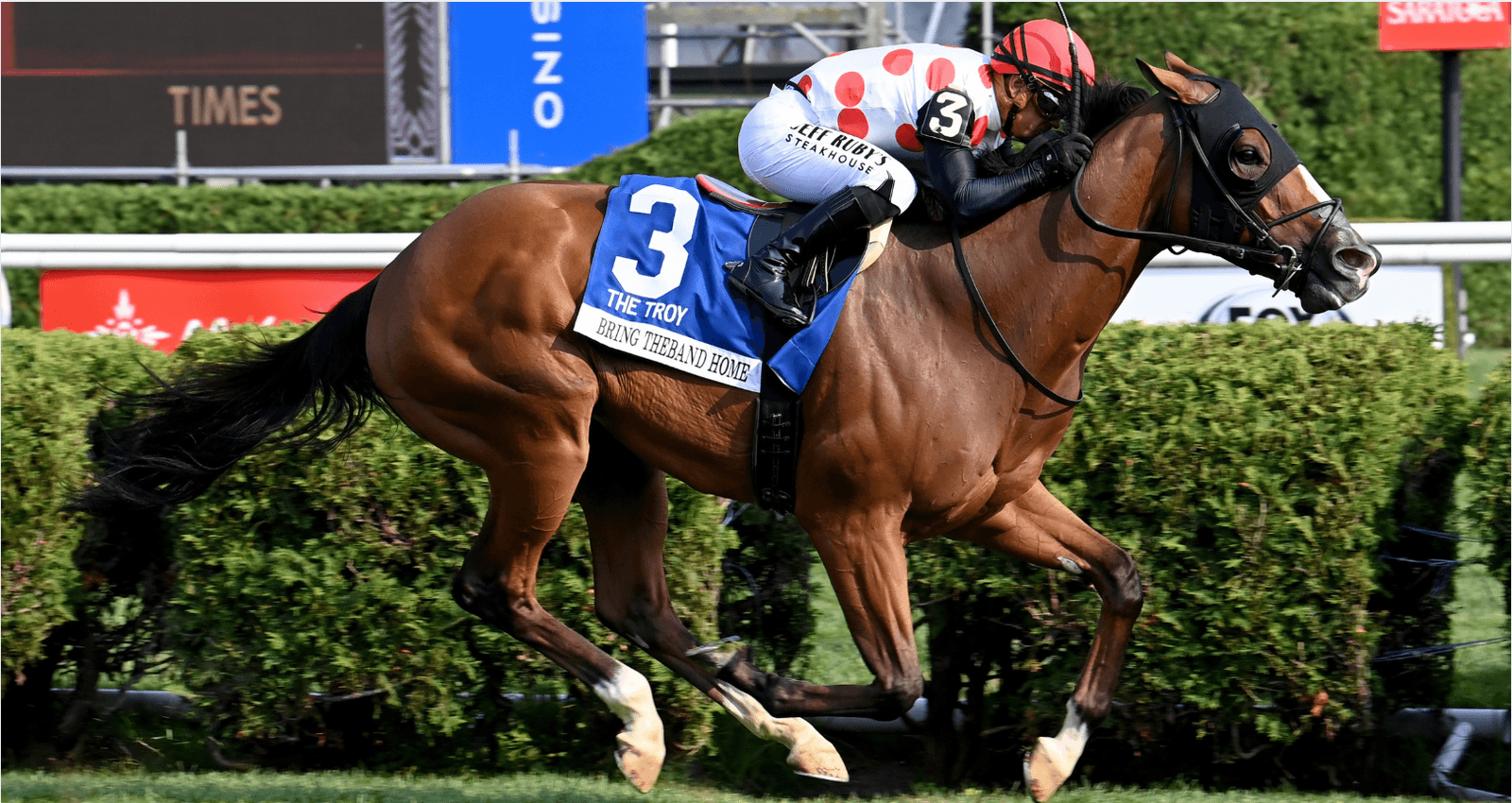
Mizumi faces Marjoram in key Summertime Oaks showdown at Santa Anita
Mizumi’s 1 1/2-length debut win met Marjoram’s Senorita breakthrough in a seven-filly Summertime Oaks that sharpened the Santa Anita pecking order.
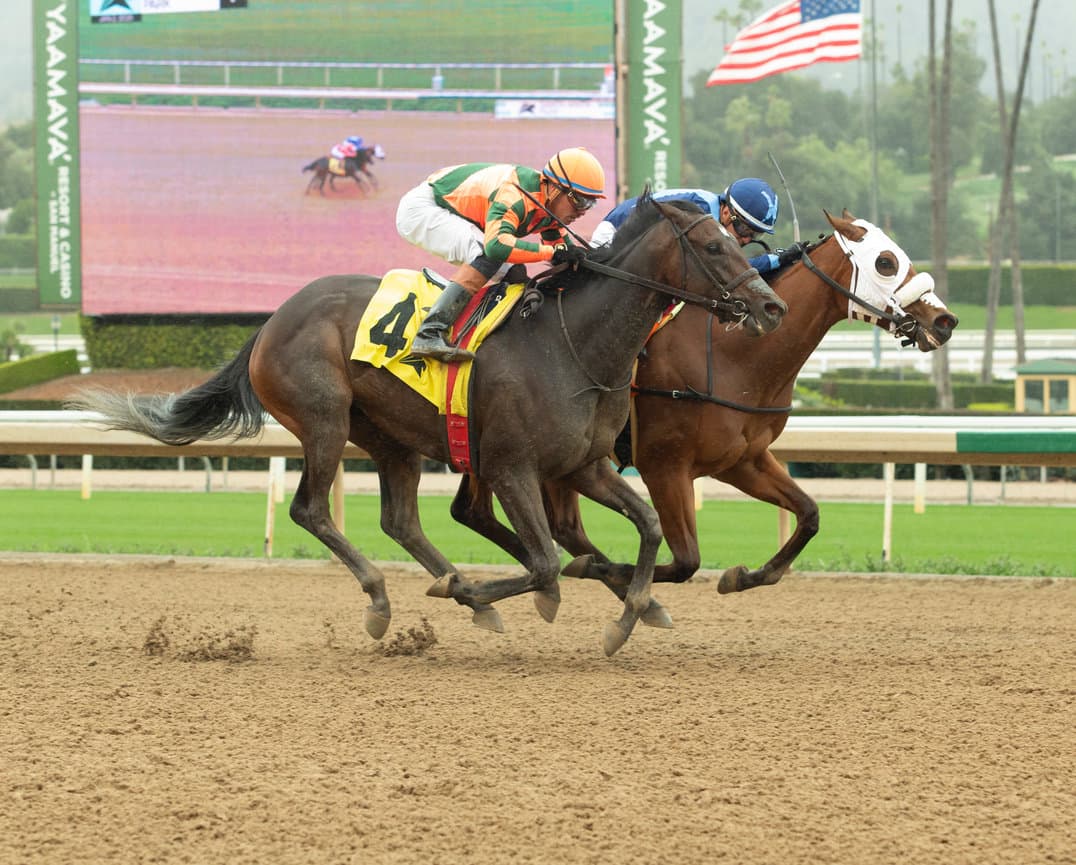
Mizumi and Marjoram gave the Summertime Oaks real stakes beyond the $100,000 purse at Santa Anita Park. The Grade 3, run at 1 1/16 miles on dirt for 3-year-old fillies, doubled as a clean read on which one was ready to climb into the next tier of the division.
Bob Baffert’s Mizumi came in as the 4-5 morning-line favorite after winning her May 2 debut by 1 1/2 lengths for Baoma Corp. A daughter of Justify out of the Distorted Humor mare Sweet Opportunity, she had the look of a filly whose first start said plenty and whose second start had to say even more. Juan Hernandez was set to ride her from post 1, and the question was simple: could a promising debut winner stretch that authority from maiden company into graded company without blinking?

Marjoram posed the sharpest answer. The Juddmonte filly had already turned in a stakes breakthrough at Santa Anita, winning the Grade 3 Senorita Stakes on May 9 by a head in 1:13.78 for 6 1/2 furlongs on turf. That effort lifted her to 2-for-3, and trainer Michael McCarthy said the morning after the race that she was doing well. Emisael Jaramillo was booked to ride her from post 7, and the dirt return mattered because she had already shown she could win on that surface.
Bank Shot added a tougher, more seasoned layer to the race. She had finished third in both the Santa Anita Oaks and the Las Virgenes, then second in the Santa Ysabel, which made her the most battle-tested filly in the field. Drawn in post 6, she had already spent the spring taking on the best sophomore fillies at Santa Anita and had the résumé to make the favorites earn every inch.
The race also carried a line of history that still matters in the short run. The Summertime Oaks began in 1946 as the Hollywood Oaks, moved to Santa Anita after Hollywood Park closed in 2013, and its purse rose from $150,000 to $200,000 in that transition before settling at $100,000 for 2026. That history only sharpened the read on this field of seven: Mizumi had to prove debut brilliance could hold up, Marjoram had to show her turf punch translated back to dirt, and Bank Shot had to turn repeated graded placing into a breakthrough. The winner would leave Arcadia, California, with more than a graded trophy. She would leave with a stronger claim on the summer landscape.
This article was produced by Prism’s automated news system from verified source data, official records, and press releases, then run through automated quality and moderation checks before publishing. The system is built and supervised by the people who set the standards it runs under. Read our full AI policy.
Did this article answer your question?