Mountaineer races canceled after state veterinarian fails to appear
A missing state veterinarian wiped out Mountaineer’s June 8 card, sidelining horsemen and bettors. Racing resumed June 9, but the outage exposed a fragile operation.
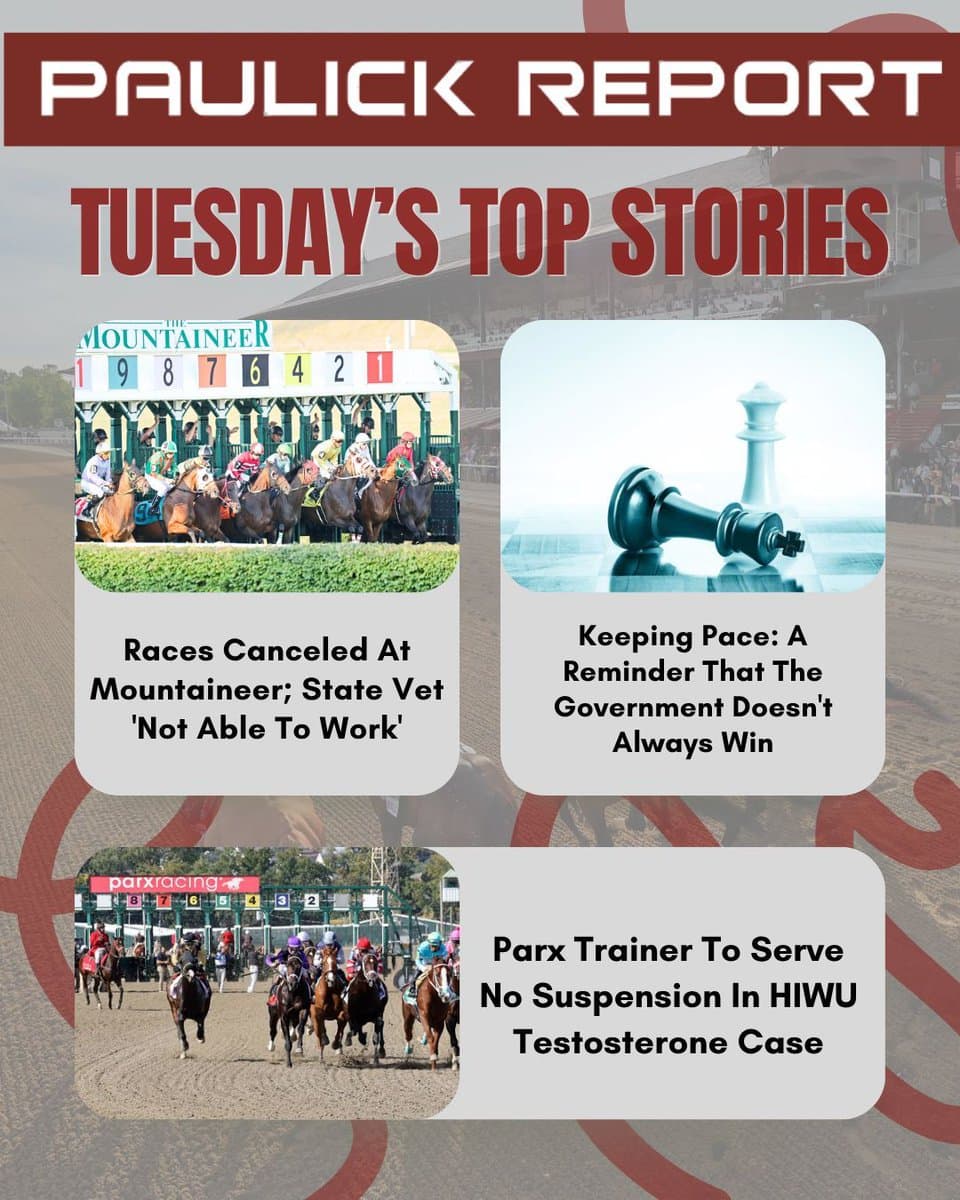
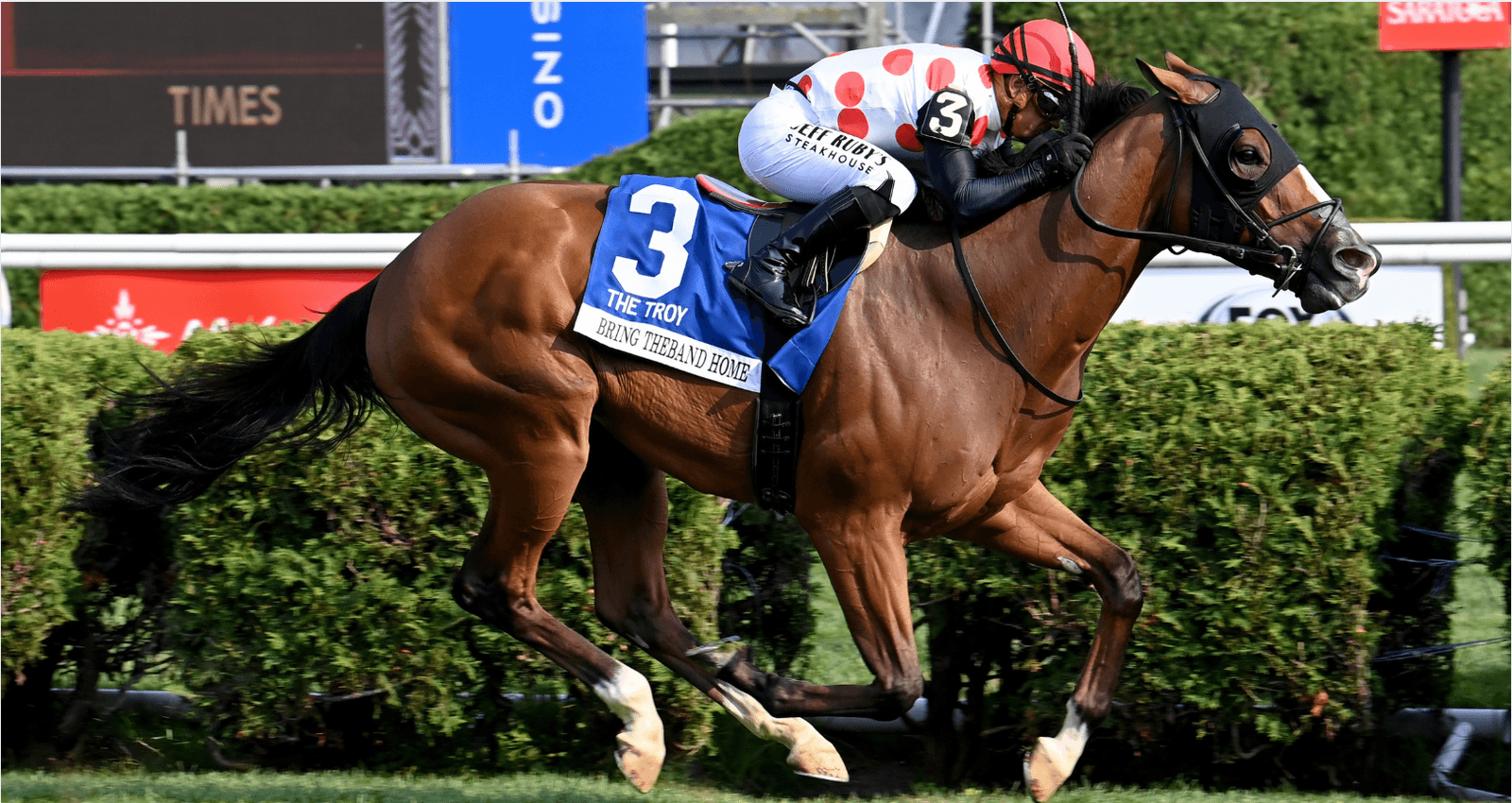
A missing commission veterinarian brought Mountaineer Park to a halt and left an entire race day empty, from owners and trainers who had shipped in horses to jockeys, backside workers and bettors who had planned around the card. Equibase listed the shutdown at Mountaineer Casino Racetrack & Resort as a “management decision,” but the practical result was clear: every race on the June 8 program in New Cumberland, West Virginia, was scratched.
West Virginia racing rules require a commission-employed veterinarian on race day, and that staffing gap appears to have left Mountaineer unable to run in compliance. The cancellation hit the meet at a sensitive point, because race days at smaller tracks depend on a narrow chain of people being in place at the same time. When one link breaks, the impact spreads quickly through the barn area, the paddock and the wagering pools.
Dr. Susan Anne Sickle, the state veterinarian at Mountaineer, said in a public comment on track announcer Peter Berry’s Facebook post that she apologized for the inconvenience, had tried to avoid reaching that point and needed to be paid regularly. West Virginia Racing Commission executive director Joe Moore said she was waiting on a check that had been processed and mailed more than a week earlier. The dispute turned a payroll problem into a race-day shutdown, and for the people who rely on the track, that is the kind of failure that raises bigger questions than one lost card.
The cancellation also landed against a wider backdrop of friction between West Virginia and the Horseracing Integrity and Safety Authority, the national body that says it oversees uniform integrity and safety rules for Thoroughbred racing, and HIWU, its enforcement arm for anti-doping and medication control. Oklahoma, West Virginia and Louisiana recently asked the U.S. Supreme Court for another chance to challenge HISA’s constitutionality, underscoring how unsettled the regulatory landscape remains even as tracks are expected to keep operations running cleanly and on schedule.
That tension matters because race-day confidence rests on reliability as much as it does on entries and purse money. HIWU also recently reduced a testosterone penalty for Parx-based trainer J. Guadalupe Guerrero after finding him not significantly at fault, a reminder that medication cases and compliance rulings continue to shape the sport’s tone. Mountaineer was back on June 9, when Equibase showed the track fast with firm turf, suggesting the outage was limited to one card. Even so, the episode exposed how quickly a staffing failure can ripple through a smaller racing circuit and shake faith in the system that is supposed to hold it together.
This article was produced by Prism’s automated news system from verified source data, official records, and press releases, then run through automated quality and moderation checks before publishing. The system is built and supervised by the people who set the standards it runs under. Read our full AI policy.
Did this article answer your question?