MSA Abandons Shamrock, Eyes $50M Laurel Purchase for 1,100-Horse Center
The Maryland Stadium Authority dropped Shamrock Farm for cost and engineering reasons and is pursuing a roughly $50 million purchase of Laurel Park to build an expanded 1,100-horse training center.
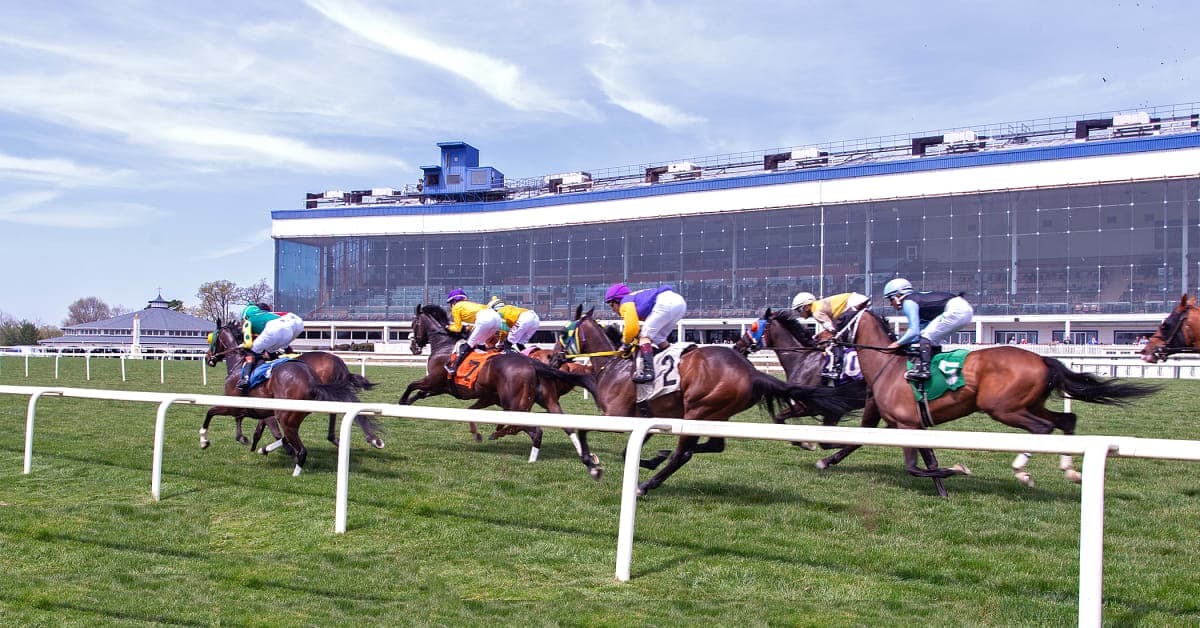
The Maryland Stadium Authority abandoned plans to convert Shamrock Farm into an 800-horse training center and is moving to acquire Laurel Park from The Stronach Group to create an approximately 1,100-horse training complex. The pivot reshapes the logistics of the $400 million Pimlico Plus overhaul and has immediate implications for trainers, horsemen, and racing schedules ahead of the targeted 2027 GI Preakness rebuild.
MSA officials cited cost savings and operational rationale in shifting course from a greenfield Shamrock conversion to purchasing an existing racetrack property. The Shamrock plan had been beset by prior engineering and environmental concerns, complicating timelines and inflating projected costs. Buying Laurel Park, at a speculated price near $50 million, offers an existing infrastructure base - barns, paddocks, track surface work and established access routes - that could be retooled faster and at lower cost than building at Shamrock.
Laurel Park carries its own history of challenges. Surface issues culminated in a 2021 stretch that saw multiple equine fatalities and prompted a significant reconstruction of racing surfaces and safety protocols. That legacy elevates scrutiny from horsemen and regulators as the MSA contemplates a major expansion of stable capacity and training operations. Any acquisition would require new safety audits, surface engineering reviews, and clear plans for veterinary oversight and emergency response to restore industry confidence.
For the racing industry the shift changes the practicalities of preparing horses for the Preakness and the regional circuit. A 1,100-horse training center would increase capacity substantially over the 800 stalls planned at Shamrock, potentially relieving long-term stall shortages and consolidating more trainers and support staff in a centralized facility. That consolidation could improve economies of scale for feed, farriers and veterinary services but also risk squeezing smaller independent training operations that lack access to consolidated resources.
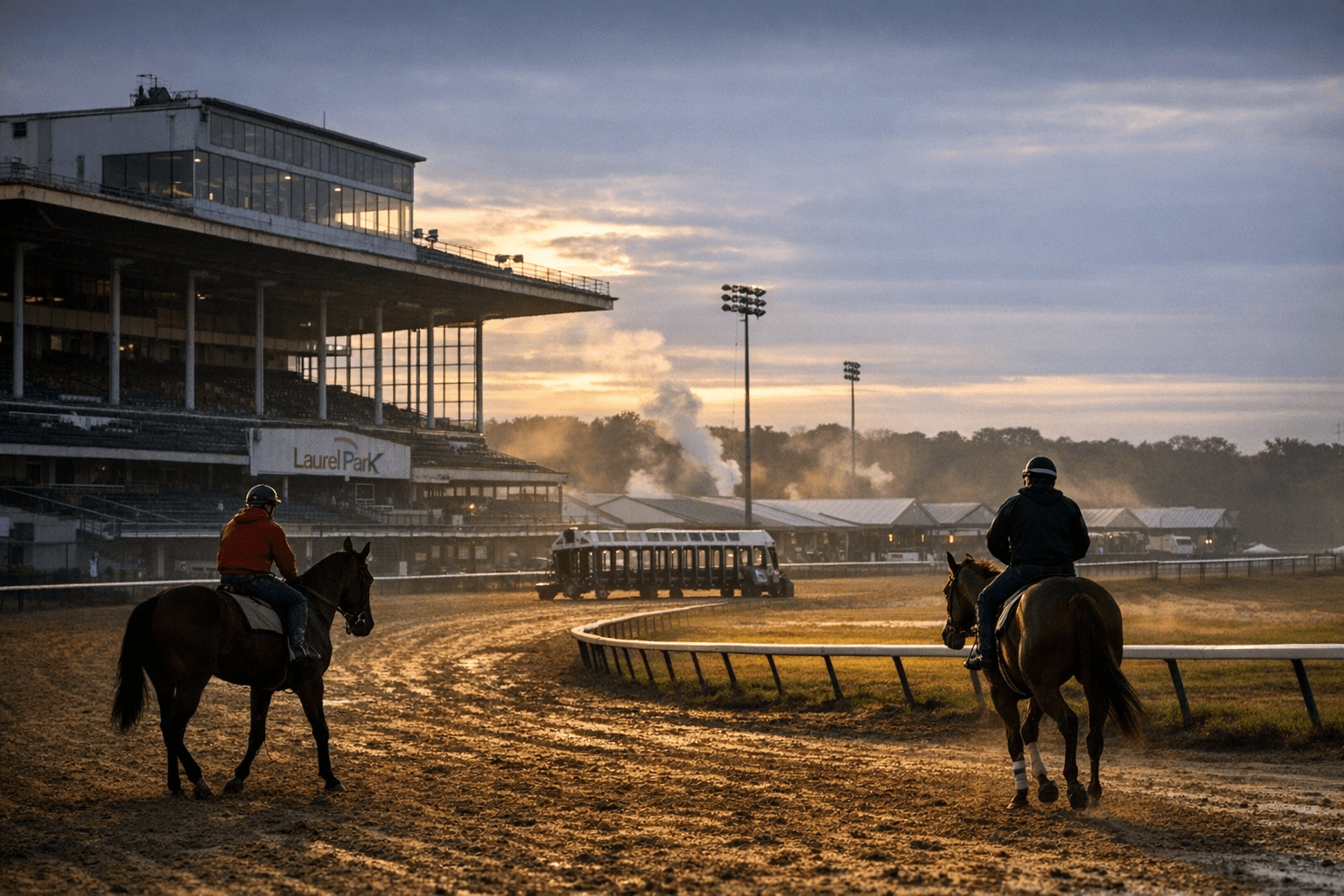
Economic and community impacts are significant. The purchase and conversion would redirect construction and permanent jobs to Laurel-area vendors and labor, while altering traffic and land use patterns around the track. The decision also raises environmental questions that stalled the Shamrock project: stormwater management, stable waste disposal, and the footprint of expanded barns and training tracks demand careful planning to avoid repeating prior concerns.
The timing dovetails with Pimlico’s demolition and projected rebuild schedule aimed at hosting the 2027 Preakness. If acquisition and necessary renovations at Laurel proceed rapidly, the MSA could present a more cost-effective training hub aligned with Pimlico’s reopening. Stakeholders from owners and trainers to local officials will be watching the next steps: formal purchase approvals, environmental reviews, and detailed plans for track surfaces and equine safety. For fans and horsemen, the change promises more stabling room and logistical convenience but also places a premium on transparent safety steps and steady oversight as Maryland retools its racing infrastructure.
This article was produced by Prism’s automated news system from verified source data, official records, and press releases, then run through automated quality and moderation checks before publishing. The system is built and supervised by the people who set the standards it runs under. Read our full AI policy.
Did this article answer your question?