Nathan Klein Named Full-Time Announcer at Penn National Race Course
Penn National made Nathan Klein its fourth full-time caller in 54 years, tapping a young RTIP graduate to reset the track’s voice for 102 live race days.
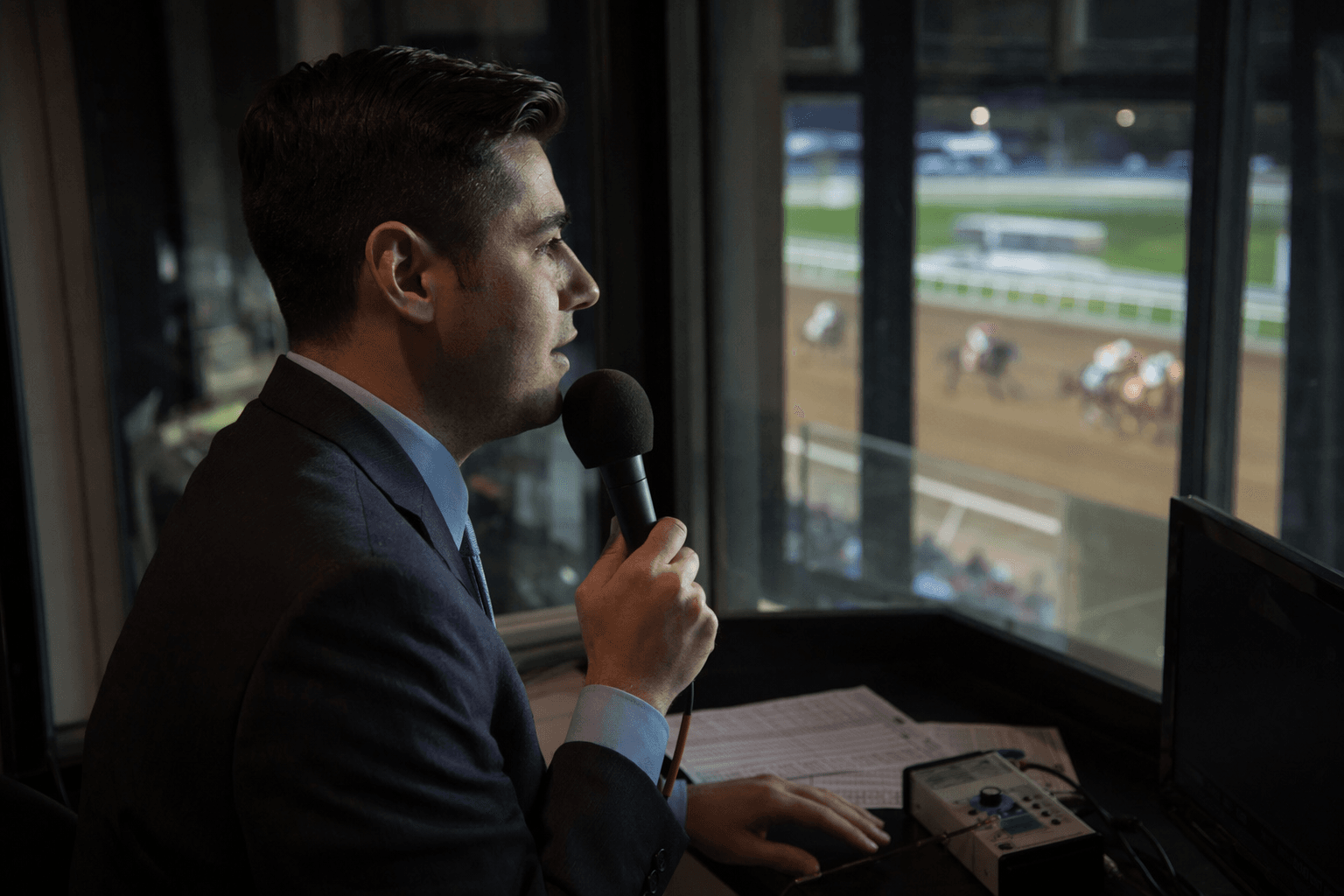
Penn National named Nathan Klein its full-time track announcer, a move that gives Hollywood Casino at Penn National Race Course a fresh voice just as the Grantville oval leans on 102 live race days and a year-round simulcast signal to hold bettors’ attention. Klein will start June 3 and becomes only the fourth full-time announcer in the track’s 54-year history, a rarity that turns the booth into more than a staffing change. It is a handoff in identity.
The hire also shows how seriously Penn National values the announcer as part caller, part brand ambassador. John Bogar retired effective Feb. 5 after about 45 years with the track and after calling the nightly races since 1985, leaving behind one of the most familiar sounds in Pennsylvania racing. Before Bogar, the full-time chair belonged to Tony Bentley and Fred Lipkin, which underscores how few voices have shaped the track for decades. Scott Lishia, the racing director, said the track was excited to bring Klein aboard and believed fans would respond to his enthusiasm and passion for racing.
Klein arrives with a résumé that fits the next generation of racecalling. Born in New York City and raised in Chapel Hill, North Carolina, he graduated from the University of Arizona Race Track Industry Program, a pipeline that has fed racing jobs for nearly 50 years. The school recognized him with its 2025 Distinguished Student Award, and its materials point to hands-on internships at Colonial Downs and Horseshoe Indianapolis, the kind of ground-level experience that teaches more than timing and cadence. Klein had already called races for Thoroughbreds, Standardbreds and Quarter Horses, and a prior profile said he had visited 38 tracks, suggesting a broadcaster who has studied the sport from multiple angles rather than learning one regional style.
That matters at Penn National because the caller is not just narrating finishes. At a track that offers live racing near Hershey and Harrisburg while sending signals nationwide around the clock, the announcer shapes how fans hear the product whether they are standing at the rail or following from home. Klein’s appointment signals confidence that a younger, formally trained caller can preserve continuity without sounding like a carbon copy of the past. For Penn National, the gamble is as much about the future of the booth as the future of the racing experience.
This article was produced by Prism’s automated news system from verified source data, official records, and press releases, then run through automated quality and moderation checks before publishing. The system is built and supervised by the people who set the standards it runs under. Read our full AI policy.
Did this article answer your question?