NHBPA Conference to Tackle AI, Prediction Markets and Racetrack Ownership
NHBPA will host its March 3-7 conference at Oaklawn to confront artificial intelligence, prediction markets and new racetrack ownership models that could reshape wagering and purses.
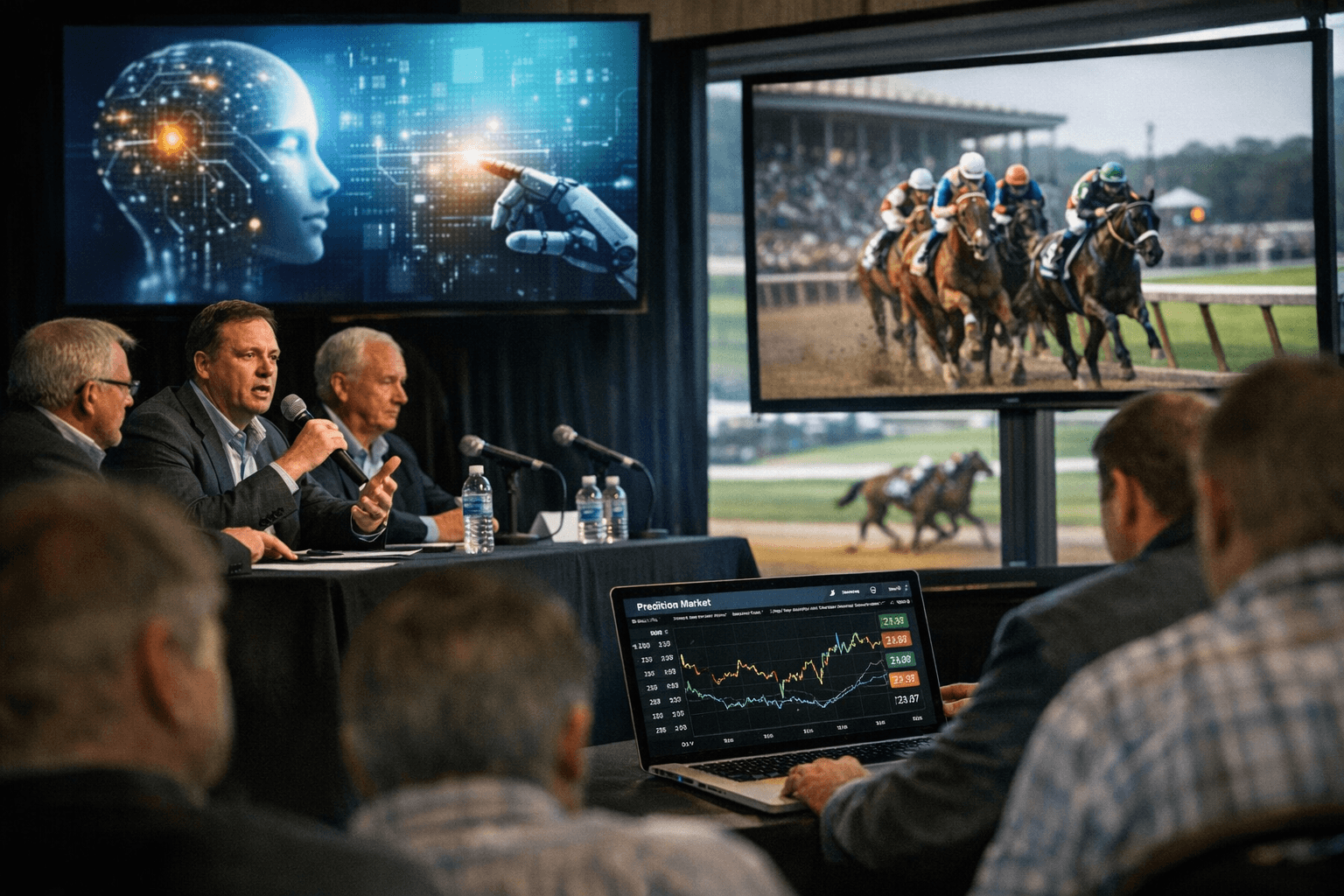
Horsemen, regulators and wagering experts will converge at Oaklawn Racing Casino Resort in Hot Springs, Ark., March 3-7 for the National HBPA annual conference, with the main panel program scheduled March 4-6. The agenda places artificial intelligence, prediction markets and reimagined racetrack ownership at the center of discussions that could have immediate business and integrity implications for racing.
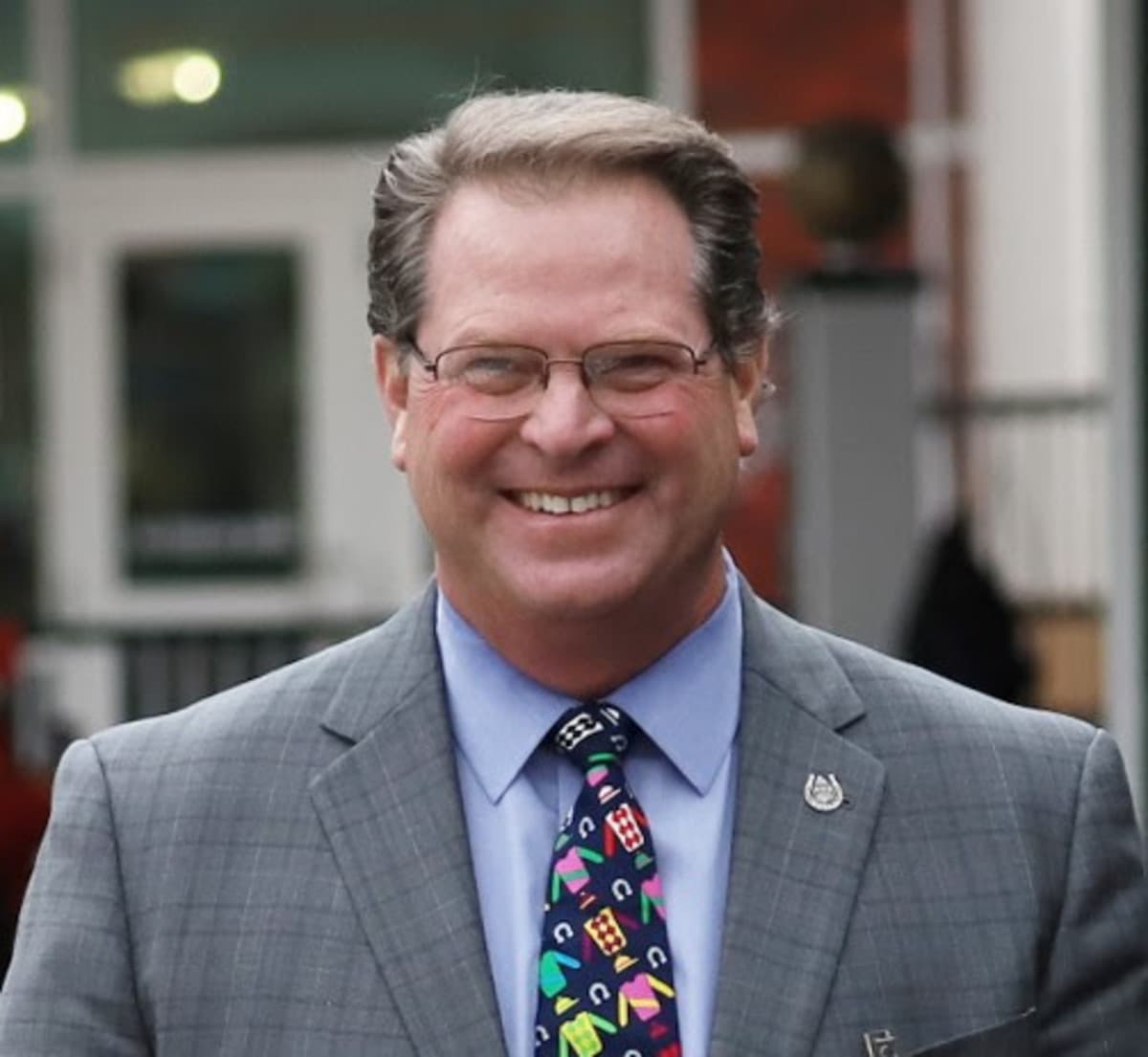
Eric Hamelback, CEO of the NHBPA, frames the program as a proactive response to technological disruption. “We are in the midst of the AI revolution, whether we like it or not, and horsemen and their leaders must be informed and prepared,” he said, setting the tone for sessions that will examine concrete AI applications such as condition-book automation, safety tracking and handicapping data. Conference materials list panelists positioned to tackle these issues, including Peter "Holt" Gardiner, Jason Johnston of WarHorse Gaming, Dave Basler of the Ohio HBPA and Dennis Drazin of Darby Development and Monmouth Park.
Wagering risks tied to prediction markets are being elevated alongside AI. Hamelback warns of regulatory blind spots: “Meanwhile, there has been precious little talk about the impact of the prediction markets, which do an end-run around regulated gambling, including sports betting.” That concern ties directly to purse funding, handle stability and integrity oversight, and will drive conversation between horsemen, track operators and sportsbook managers over how to protect regulated wagering ecosystems.
Ownership and governance also headline the program. The session titled “Reimagining Racetrack Ownership: A Future Led by Horsemen and Participants,” chaired by Frank Petramalo, will examine models in which participants meaningfully control tracks, citing examples “such as exists in Nebraska.” Panelists Lonny Powell, Kenny McPeek, Lynne McNally and Ed Fenasci will explore whether participant-led ownership can shift revenue flows, align incentives for aftercare and influence scheduling and purse structures.
Aftercare and post-racing careers remain central to industry stewardship. The panel “After the Finish Line: Building Pathways to Second Careers for Thoroughbreds” will spotlight traceability, lifelong responsibility and career transitions, with Kristin Werner of The Jockey Club, Kirsten Green of the Retired Racehorse Project and Jeanette Milligan of the Arkansas HBPA on the program.
The NHBPA is also responding to public scrutiny. In a statement posted by the association, Hamelback criticized an HBO segment as “despicable, one-sided and inaccurate,” arguing it ignored safety and aftercare progress and the industry’s focus on safety and integrity.
For industry participants and bettors, the conference promises both defensive strategy and practical tools. Sessions on condition-book automation and handicapping data suggest near-term operational shifts for entries and form analysis, while debates over prediction markets could prompt calls for regulatory action. The NHBPA says a couple more special presentations will be announced ahead of the meeting.
For more information contact the NHBPA at 866-245-1711 or racing@hbpa.org. The conference will be a key moment for horsemen to weigh technological opportunity against regulatory and economic risks and to outline how participant-led solutions might reshape the sport’s future.
This article was produced by Prism’s automated news system from verified source data, official records, and press releases, then run through automated quality and moderation checks before publishing. The system is built and supervised by the people who set the standards it runs under. Read our full AI policy.
Did this article answer your question?