Preakness at Laurel highlights high prices, limited capacity and transition
Laurel turned the Preakness into a high-priced, low-capacity test case for racing’s next era. Fans paid more, got less space, and still showed the appetite that keeps the Triple Crown powerful.

The price of scarcity
The 151st Preakness Stakes at Laurel Park was never going to feel like a normal May day at Pimlico, and the ticket prices made that plain before the first horse loaded. Only 4,800 tickets were sold, general admission started at $246, and Turfside Terrace seats climbed to $1,698, a structure that turned the race into an exclusive event as much as a sporting one.
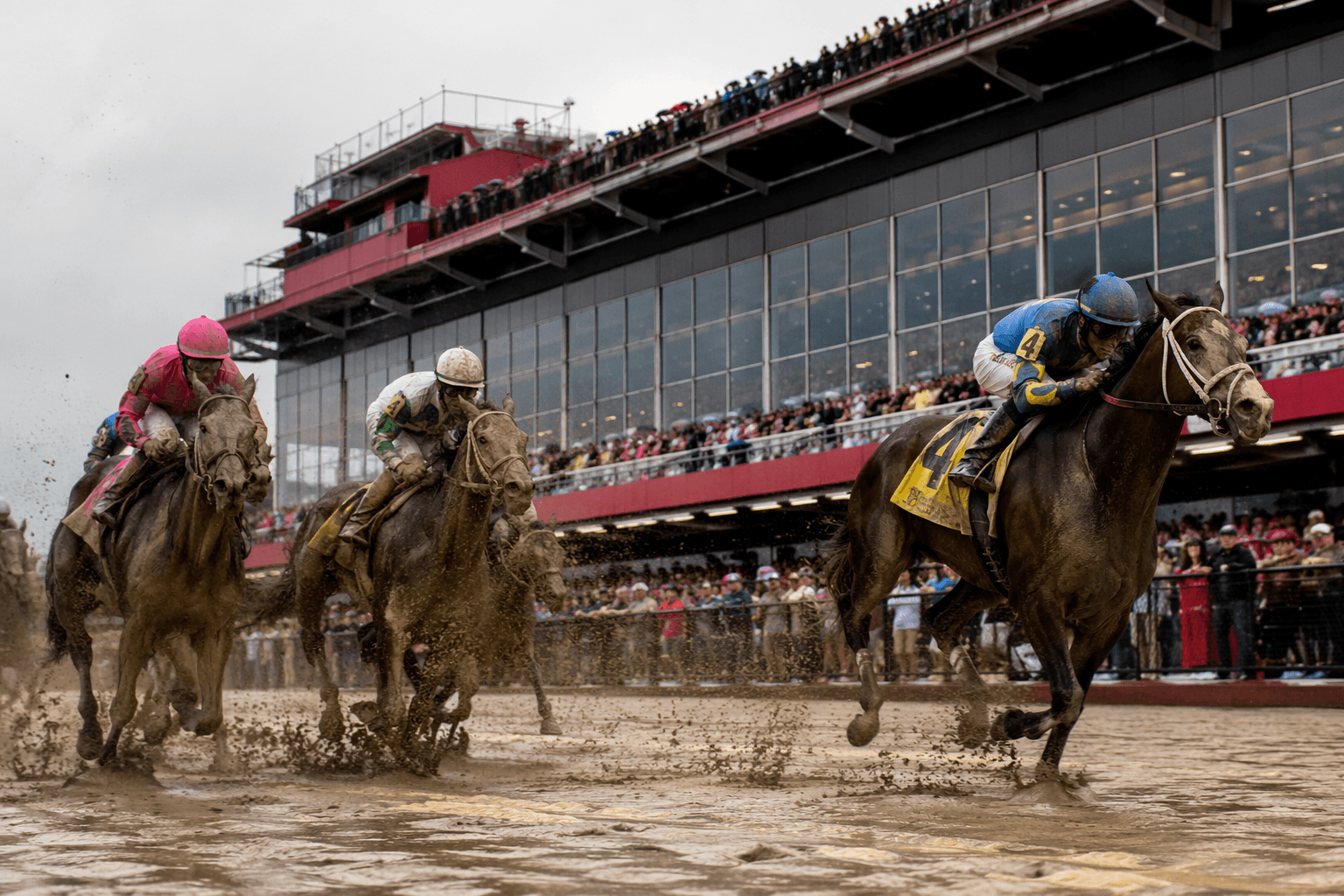
That scarcity was not a marketing gimmick so much as a physical reality. Laurel simply does not have Pimlico’s footprint, and the result was a Preakness shaped by limits: fewer places to stand, fewer places to gather, and far less room to absorb the kind of crowd energy the race has long traded on. For racegoers, the question was not whether the day felt prestigious. It was whether it still felt like a Preakness.
What Laurel could and could not replicate
Bill Knauf, the new Maryland Jockey Club president and general manager, laid out the challenge in practical terms. Laurel has no infield access and no tunnel access, and that alone changes the way people move, mingle and make a day of the races. The bigger issue was hospitality. Pimlico’s exterior party spaces are part of the event’s identity, but Laurel’s shorter stretch and smaller apron make it hard to copy that model.
That difference matters because the Preakness is not only a race, it is an atmosphere economy. At Pimlico, the sport has long relied on a mix of trackside access, social energy and tradition to justify the ticket. At Laurel, the event had to ask fans to buy into a narrower version of the experience. The result was a race that still carried prestige, but with a tighter, more curated feel that favored committed fans over casual partygoers.
Fans paid for the moment, not the scenery
The clearest sign that the day still worked came from the people in attendance. The column’s interviews show fans responding less to the missing spectacle than to the chance to be part of a rare Preakness at all. Dale Hargrave of Newport News, Virginia, was at his 40th Preakness and treated the day as a milestone, not a buyer’s regret. That matters because it shows how deeply the race still lands with longtime followers, even when the venue changes and the familiar party atmosphere thins out.
That reaction cuts against the easy criticism that a temporary move automatically drains meaning from a major racing event. For hardcore fans, the combination of scarcity, novelty and Triple Crown significance created its own value. The experience may not have matched the historic scale of Pimlico, but the emotional pull remained strong enough that many attendees felt lucky simply to be there. In racing, that kind of loyalty is rare and valuable.
A race in the middle of a Maryland reset
The Laurel Preakness also sits inside a larger real-estate and operating shuffle that has changed the map of Maryland racing. The state approved the transfer of Pimlico Race Course to Maryland in May 2024 and designated Laurel as the temporary racing home while Pimlico is rebuilt. Pimlico is supposed to return as Maryland’s year-round racing hub when construction is finished, but the present moment is defined by transition rather than certainty.
That transition deepened in January 2026, when Maryland agreed to acquire Laurel Park for a training-focused future. Laurel already has about 1,100 horse stalls, and officials have framed the plan as one that could support 500 jobs while saving $50 million in combined costs. In other words, Laurel was not simply a fallback site for one Preakness. It is becoming part of the long-term shape of the sport in Maryland, with a different function and a different business model than the one it once served.
The business case for a smaller Preakness
For racing executives, Laurel’s Preakness offered a useful if uncomfortable lesson: demand can survive even when access is compressed. The price structure proved the event could still command premium dollars, but the smaller footprint also showed the ceiling on what a temporary venue can deliver. High prices and limited capacity can preserve exclusivity, yet they also cap attendance and narrow the social mix that makes a major race feel like a public event.
That tension will matter as Maryland decides how to balance tradition, revenue and redevelopment. The Preakness has always depended on more than the running order. It depends on the sense that the day belongs to Baltimore, to Maryland racing and to the broader Triple Crown calendar. Laurel preserved the race’s prestige, but it also exposed how much of the old experience depended on space that no longer exists while Pimlico is being rebuilt.
National interest held up
If the on-track and in-person experience shrank, the broadcast audience did not. NBC said the 2026 Preakness telecast averaged 5.5 million viewers and peaked at 7.1 million during the race, the strongest audience for the Preakness since 2021. That is an important counterpoint to the complaints about atmosphere and access: the venue change did not erase the event’s national pull.
That viewership helps explain why the Preakness still matters so much during a period of reconstruction. The race remains a television draw, a wagering event and a cultural marker even when the setting is altered. For the industry, that is the biggest takeaway from Laurel. The sport can survive a temporary relocation, but only if it keeps delivering the feeling that this is a day worth paying for, watching and talking about.
What comes next
The 2026 Preakness showed that the race’s future will be measured in more than purse money or attendance totals. It will be judged by whether Maryland can preserve the sense of occasion while rebuilding Pimlico and reassigning Laurel into a different role. 1/ST Racing’s version of the Maryland Jockey Club is in its final year overseeing the event, with control shifting next year to the new Maryland Jockey Club, and that alone signals a new phase.
For now, Laurel has answered a difficult assignment with a clear message: the Preakness can still command attention, even at high prices and with limited room to breathe. The challenge ahead is bigger than staging one race. It is proving that the sport can rebuild its physical plant without flattening the energy that makes a Triple Crown day feel like a major event.
This article was produced by Prism’s automated news system from verified source data, official records, and press releases, then run through automated quality and moderation checks before publishing. The system is built and supervised by the people who set the standards it runs under. Read our full AI policy.
Did this article answer your question?