Qiddiya City Racecourse to Become Home of Saudi Cup After 2026
Qiddiya Investment Company announced a new Horse Racing Venue that will become the permanent home of the Group 1 USD 20 million Saudi Cup after the 2026 running, reshaping Saudi racing and sports tourism.
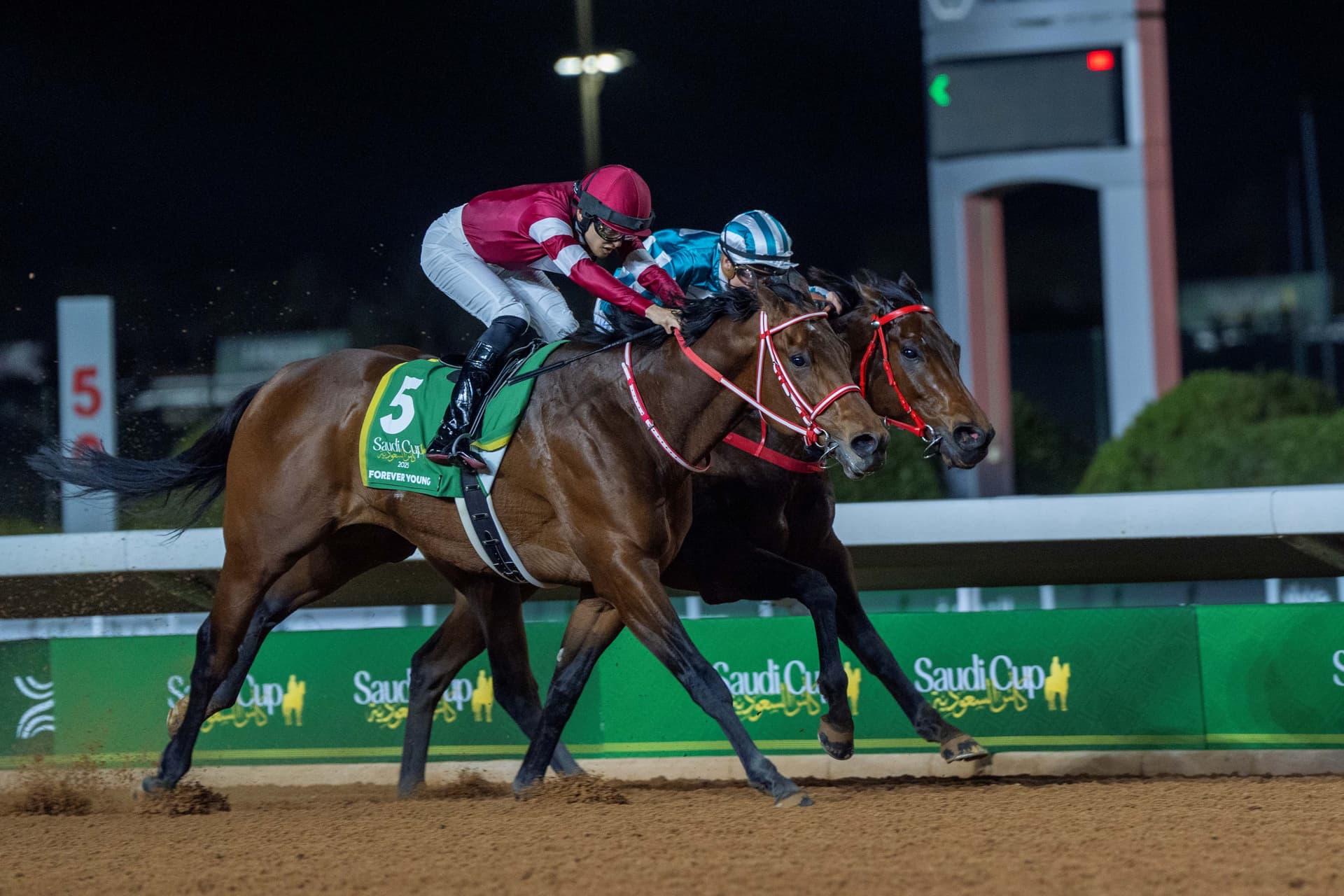
Qiddiya Investment Company announced on February 10 that it will add a landmark Horse Racing Venue to the Qiddiya City masterplan, and that the facility will become the permanent home of the Group 1 USD 20 million Saudi Cup after the 2026 running. The 2026 Saudi Cup is scheduled for its seventh running on Saturday, 14 February at King Abdulaziz Racecourse in Riyadh before the event relocates to Qiddiya following the current season.
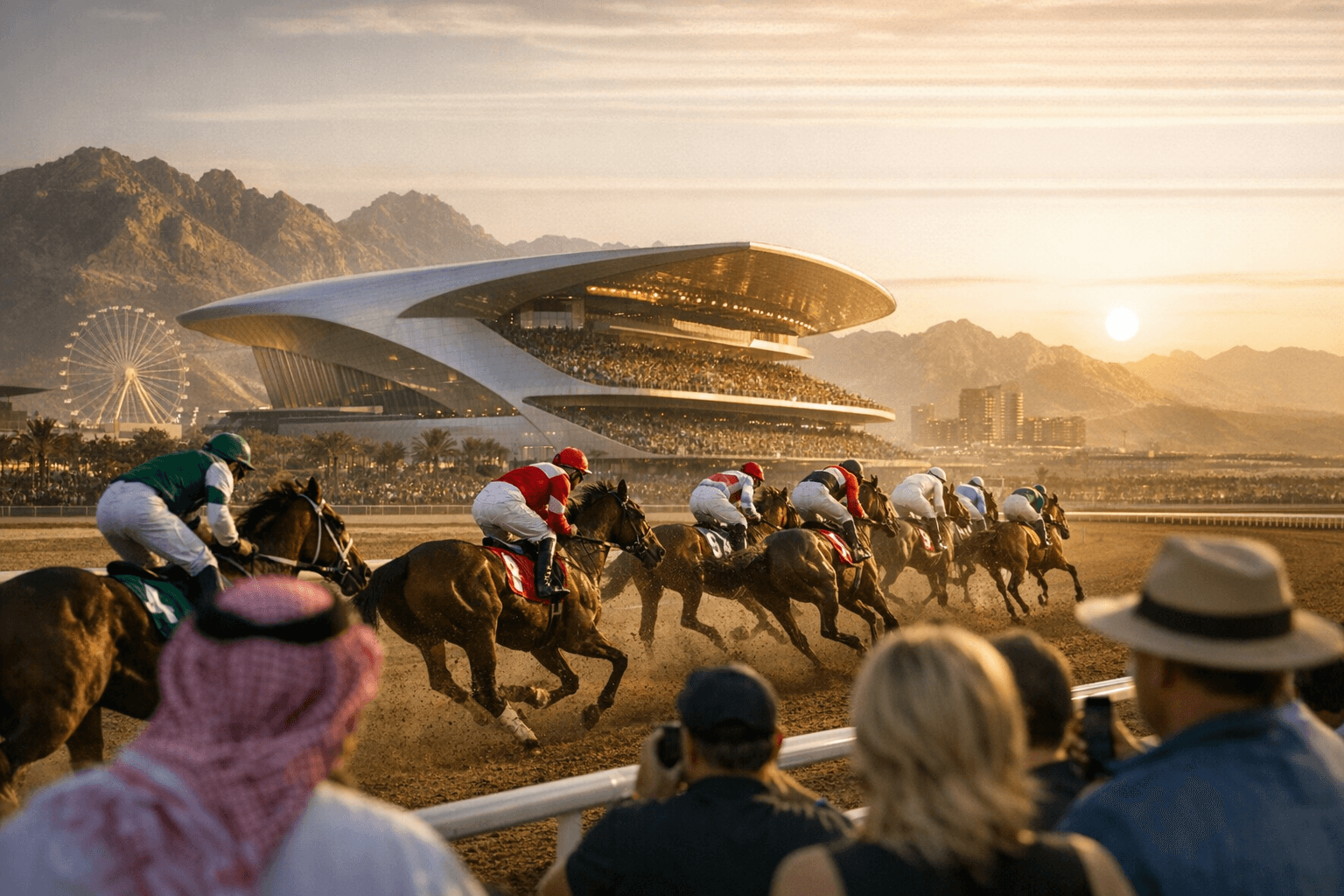
Qiddiya’s announcement offers specific design and programming ambitions. The venue is described as anchored by a 21,000-seat permanent grandstand with temporary event overlays that can expand capacity to as many as 70,000 guests on major race days. Hospitality features are billed at a premium level, including nine fine-dining restaurants curated by Michelin-star chefs and integrated premium lounges and social spaces. Qiddiya says the venue will serve beyond headline race days as the home of a Turf Racing Festival, providing a year-round platform for racing, entertainment, and cultural events intended to appeal to racing enthusiasts, families, and tourists alike.
Qiddiya framed the project as both cultural affirmation and commercial platform. "Designed as a new national destination for sport, culture, and entertainment, the venue reflects Saudi Arabia's long-standing relationship with horses alongside continued investment in world-class sporting infrastructure," the company said in its announcement. The release added that "the Horse Racing Venue forms part of Qiddiya Investment Company's wider vision to develop Qiddiya City as a national hub for sport, entertainment, and culture, driven by the Power of Play." Abdullah Aldawood, Managing Director of Qiddiya Investment Company, described the plan in detailed terms: "This venue reflects Qiddiya Investment Company’s ambition to set new global benchmarks. Every element, from racing performance and equine welfare to hospitality and fan engagement, has been designed to meet the expectations of the world’s leading racing jurisdictions. In line with our wider vision for Qiddiya City, this state-of-the-art venue is designed to be fully accessible, pioneering a new chapter in spectator engagement and experience."
The move consolidates trends in sports investment and event-led tourism. The Saudi Cup’s USD 20 million purse - roughly equivalent to £14.6 million or €16.8 million - already ranks it among the world’s richest races and will be a central asset in Qiddiya’s pitch to attract international participants, trainers, owners, and global media. Qiddiya’s racecourse becomes one component of a broader masterplan that includes a Speed Park Track aimed at Formula 1 and a mixed-use gaming and esports district, signaling a cross-sport strategy to build a year-round entertainment economy.
Governance arrangements are taking shape as well. Qiddiya and the Jockey Club of Saudi Arabia are expected to sign a Memorandum of Understanding on the sidelines of the Asian Racing Conference to coordinate the long-term development of horse racing in the Kingdom. The announcement leaves open several operational questions that matter to racing stakeholders: construction timeline and opening date, detailed animal welfare protocols, stadium buildout plans to support the 70,000 capacity, confirmation of Michelin chefs, and whether race distance or entry conditions for the Saudi Cup will change after the relocation.
For racing fans and industry observers, the immediate next markers are clear: watch the Saudi Cup on 14 February at King Abdulaziz Racecourse, track announcements from Qiddiya on construction and festival programming, and follow the expected MoU signing at the Asian Racing Conference. If Qiddiya delivers on the ambition in its announcement, Saudi racing will gain a purpose-built global showcase that blends high-stakes sport with hospitality and tourism, while raising new questions about logistics, welfare standards, and how global racing circuits adapt to a new Saudi hub.
This article was produced by Prism’s automated news system from verified source data, official records, and press releases, then run through automated quality and moderation checks before publishing. The system is built and supervised by the people who set the standards it runs under. Read our full AI policy.
Did this article answer your question?