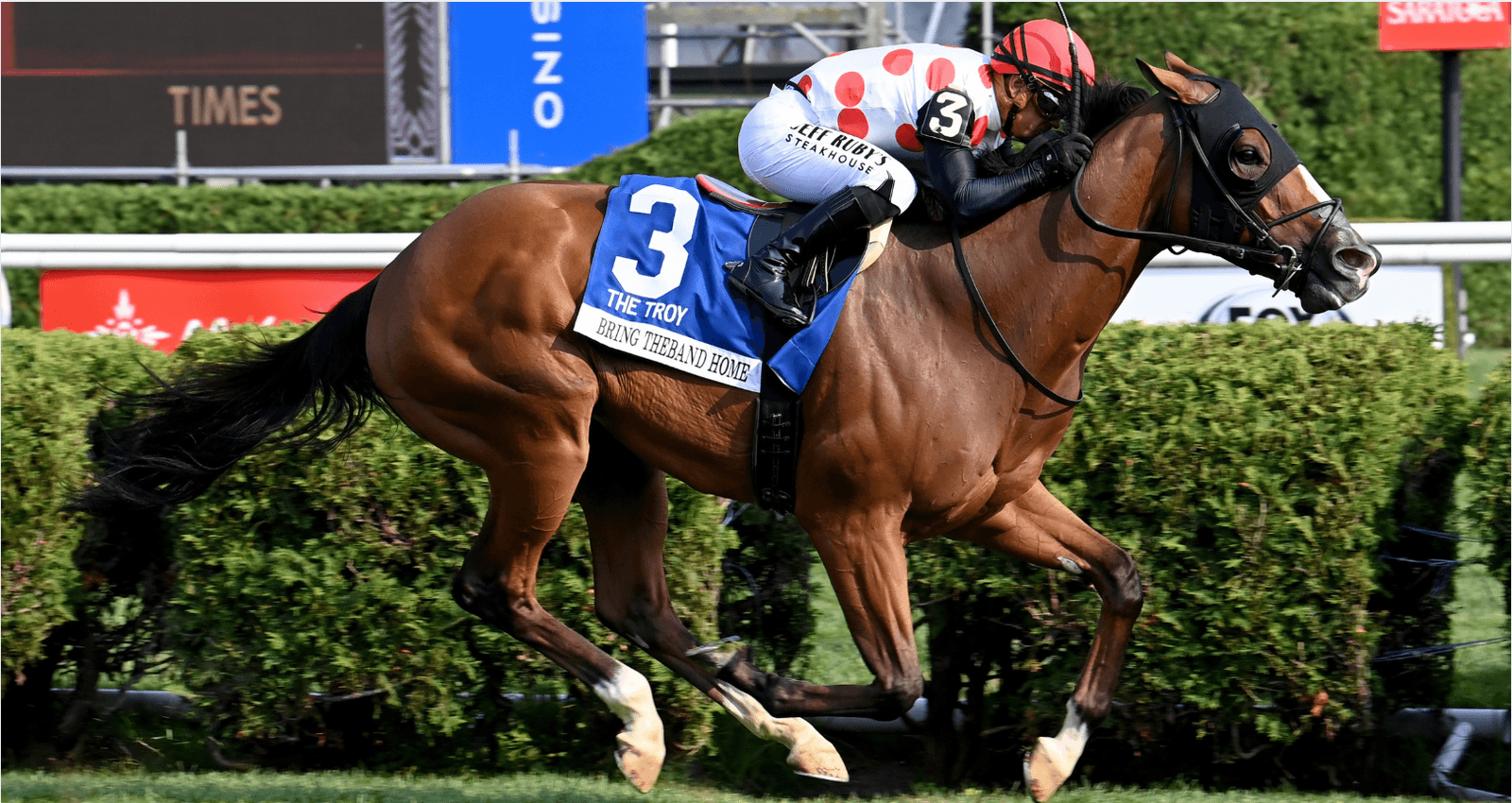
Repole warns American horse racing faces contraction by 2028
Repole’s warning lands as foal crops slip to 17,000 in 2026 and betting falls 2.10%, with California and Florida looking like the sport’s next pressure points.
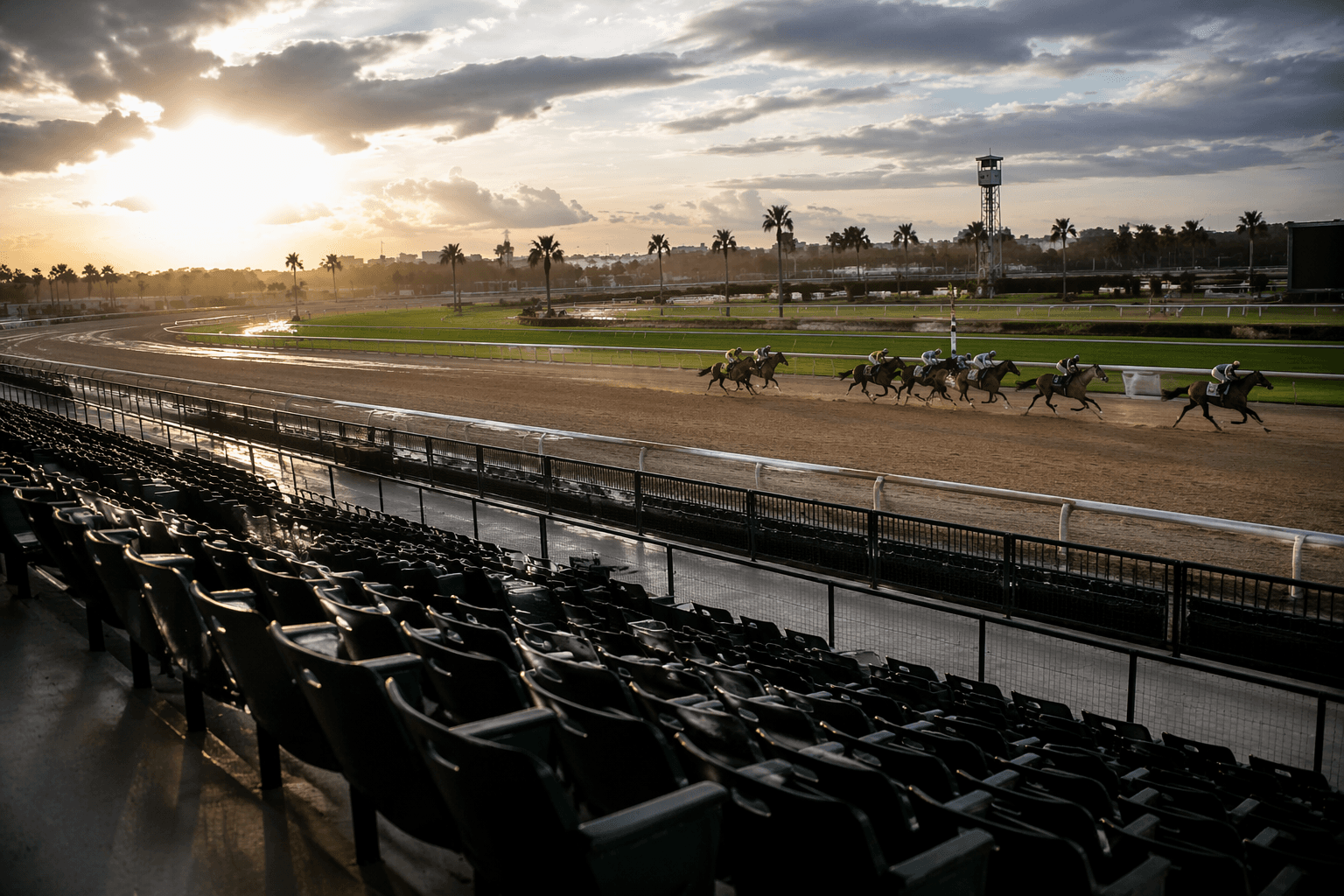
Mike Repole is warning that American horse racing could be smaller, thinner and less durable by 2028, and the numbers already point in that direction. The Jockey Club projects a North American registered Thoroughbred foal crop of 17,000 in 2026, down from 17,300 in 2025 and 18,000 in 2024, a decline that threatens the supply of horses coming into the game just as wagering momentum is softening.
That squeeze is not theoretical. Through Sept. 30, 2025, 740 stallions had covered 24,681 mares in North America, with The Jockey Club estimating another 2,000 to 3,000 mares could still be reported. Its decade tables show how far the breeding base has narrowed: in 2015, 1,407 active stallions covered 34,122 mares. By 2025, those figures had fallen to 740 stallions and 24,681 mares. Fewer foals today mean fewer runners in two or three years, which means smaller fields, fewer races worth betting into and less depth on cards that already rely on a narrow pool.

Repole’s broader campaign has moved well beyond warnings. On Jan. 19, 2026, Thoroughbred Daily News reported that he was preparing a national lawsuit against The Jockey Club, the Breeders’ Cup, the National Thoroughbred Racing Association and the Thoroughbred Owners and Breeders Association, saying litigation was the only way to force change. TOBA declined comment, and the Breeders’ Cup said it could not comment on threatened or pending litigation. In late January, The Jockey Club stewards pushed back publicly, saying Repole’s attacks relied on “selective facts and false narratives,” while insisting they were working to improve racing and breeding.

The economic pressure is showing up in the betting pools too. Equibase reported that total wagering in 2025 fell 2.10% from 2024, and it said second-quarter handle was hurt by fewer race days and fewer races amid declining foal crops and track closures. That matters because fewer race dates usually mean fewer opportunities for horseplayers and fewer chances for owners to place horses where they can actually earn.
California remains one of the clearest flashpoints. The California Horse Racing Board approved 2026 Thoroughbred race dates in October 2025, and Southern California’s schedule largely mirrored 2025, keeping the state’s circuit intact for now. But the debate around Santa Anita Park and the wider California map is really about whether that stability can last if field size keeps shrinking and handle keeps sliding. Florida sits in the same conversation through its state-bred structure: The Jockey Club’s state fact books continue to track Florida-bred and Kentucky-bred activity separately, a reminder that local breeding programs still shape who races, where they race and whether owners have a reason to stay invested.
Repole’s warning is not just about one bad season. It is about a long contraction already visible in the breeding shed, on the calendar and in the wagering totals, with the next few seasons likely to decide whether the sport bends or breaks.
This article was produced by Prism’s automated news system from verified source data, official records, and press releases, then run through automated quality and moderation checks before publishing. The system is built and supervised by the people who set the standards it runs under. Read our full AI policy.
Did this article answer your question?