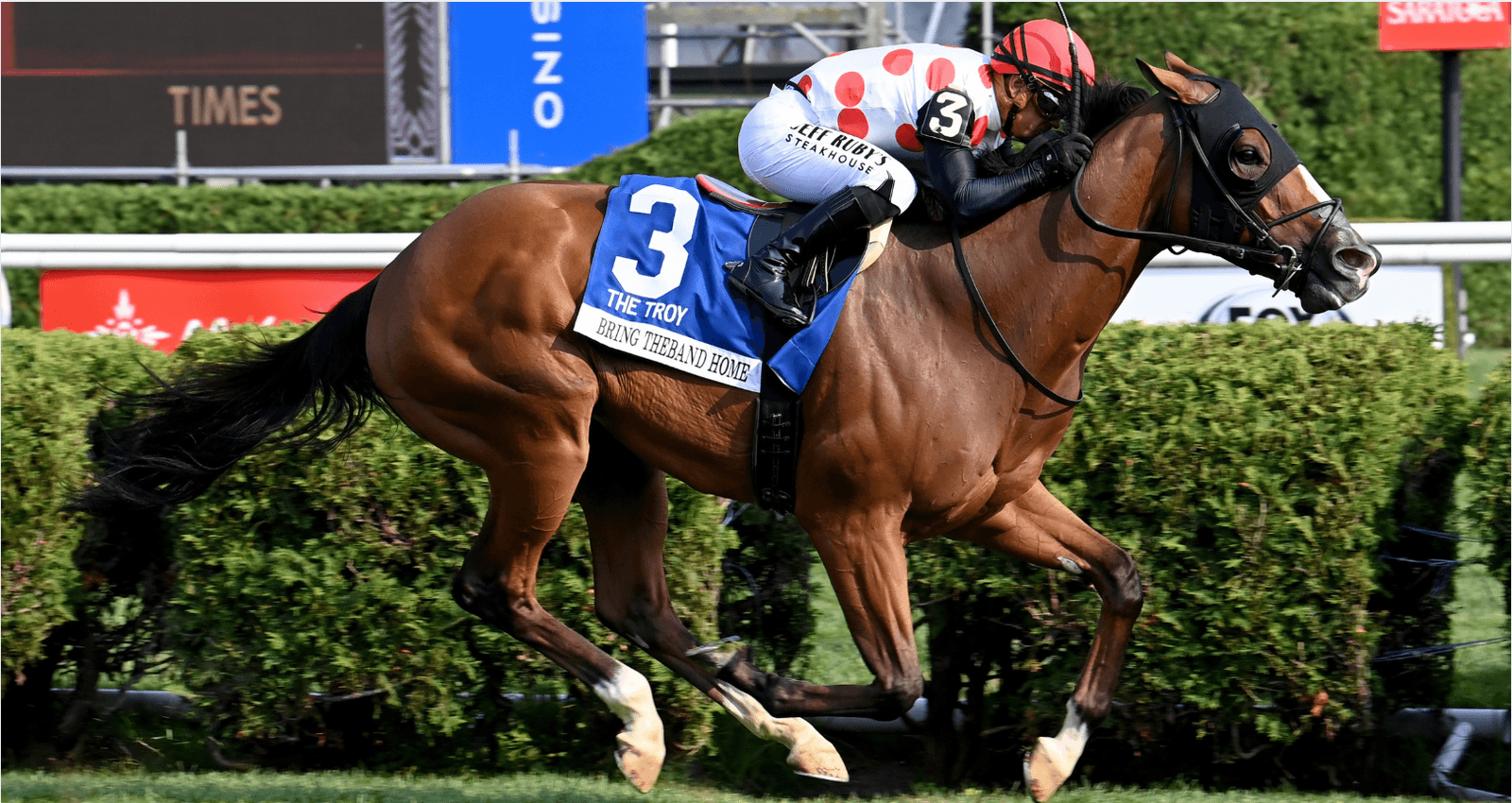
Second-Crop Derby Sires Rally as Charlatan Leads Late Breakthrough
Charlatan’s UAE Oaks breakout has turned a slow-starting second-crop class into a real Derby-market story, and breeders are recalculating fast.
Charlatan gives the class a pulse
The second-crop Derby sire conversation has changed almost overnight, and Charlatan is the horse forcing the reset. A TDN Breeding Digest analysis says the group had looked historically underwhelming through its first juveniles, with only one graded stakes winner emerging from that first wave, yet four stallions from the class now have a son in the Kentucky Derby gate. That is the kind of shift that gets the breeding market’s attention because it suggests the early verdict may have come too soon.
Charlatan has become the tone-setter because his first real stakes signal arrived just as the crop was starting to mature. A Derby runner, or even a Derby gate presence, can rewrite a stallion’s reputation in a single spring, and this group is now living that reality. The message for breeders is simple: second-crop sires often need time, and the difference between ordinary and valuable can come down to whether the right runners show up at the right time.
Labwah is the proof that changed the mood
The clearest evidence comes from Dubai, where Labwah won the Feb. 20 UAE Oaks by 7 1/2 lengths and became Charlatan’s first graded or group winner. That is more than a box checked on a pedigree page. The UAE Oaks is a Kentucky Oaks points race, which means the filly’s success reached beyond breeding chatter and into major-race planning, with her connections weighing the Kentucky Oaks route against the UAE Derby path.
BloodHorse reported that Labwah’s victory pushed Charlatan to the top of the current second-crop sire list, and that change in position matters because markets move on visible proof. Buyers, breeders, and pinhookers all know that a standout daughter or son can change the tone around a young stallion much faster than a year of ordinary allowance results. Labwah gave Charlatan the kind of headline that can alter perception immediately, especially when the horse behind it already had a reputation for class on the track.
Why Charlatan’s profile already carried upside
Charlatan retired to stud at Hill 'n' Dale at Xalapa in Kentucky, and he stood for $25,000 for the 2026 breeding season. He is by Speightstown and was a multiple Grade 1 winner, including the Arkansas Derby and Runhappy Malibu Stakes, with career earnings of $4,047,200. That profile gave breeders a reason to believe from the start, even before the first crop had fully had a chance to tell its story.
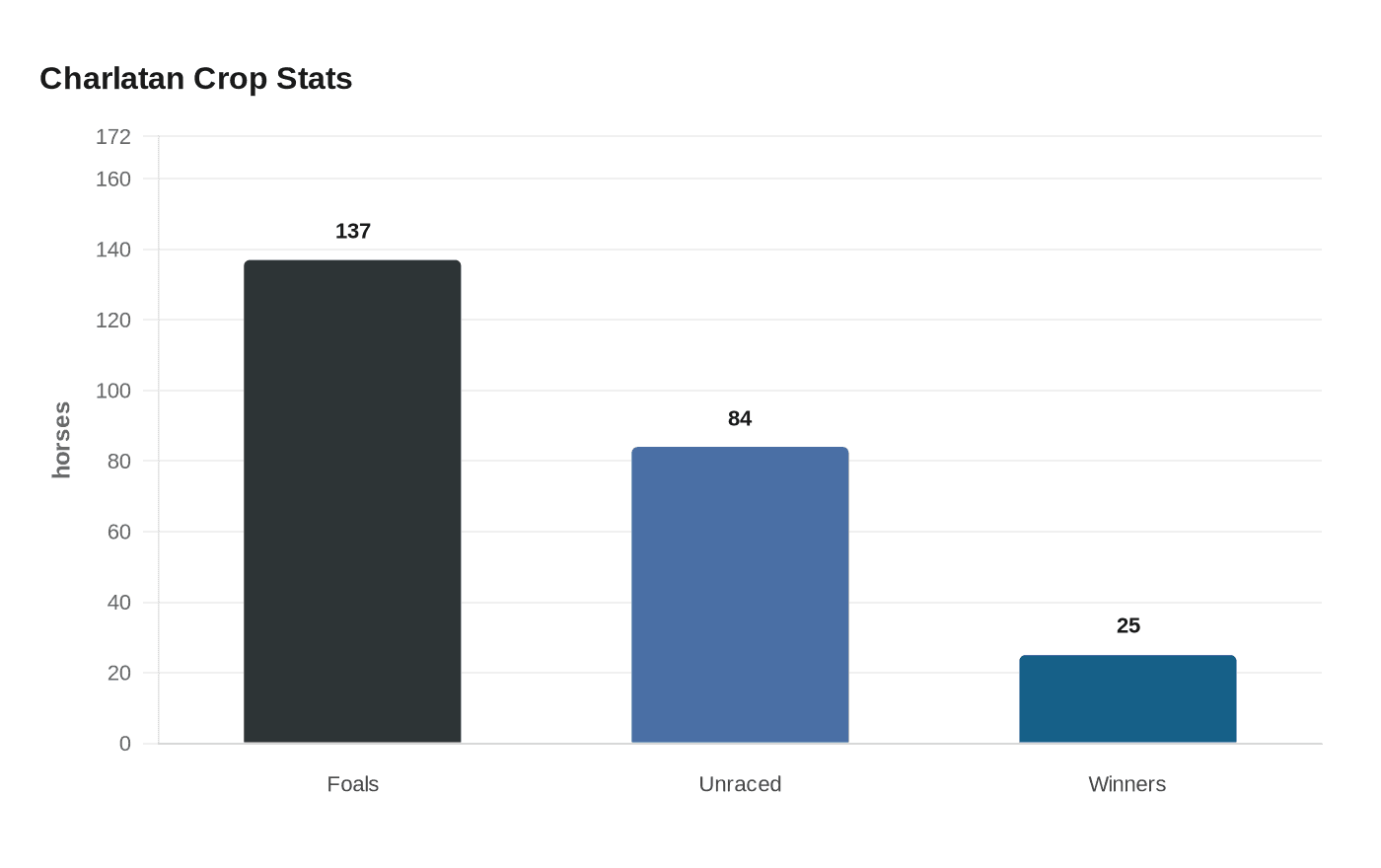
His first foals are now 3-year-olds in 2026, and the numbers help explain why the early read was muted. BloodHorse noted that Charlatan’s first crop had 137 foals, but 84 of them were still unraced at the end of 2025. In other words, the crop was always likely to look slower to declare itself than a smaller, earlier-maturing group. Once the late developers started to break through, the picture changed fast, and by late April 2026 Charlatan had 25 individual first-crop winners, including stakes winners Hammond and Little Miss Curlin.
That is the sort of progression breeding analysts look for when they argue that a stallion’s real value only becomes clear with time. The numbers do not simply show improvement; they show that the crop may have been misread because so many of its runners were not ready to speak for him yet. For commercial players, that means the cost of waiting for proof can be real, but so can the cost of judging too early.
What the Derby gate says about the market
The broader second-crop sire group is now more interesting because it is not just producing one headline horse. Four stallions from the class have a son in the Kentucky Derby gate, which is a much stronger signal of depth than a single standout. Breeders notice that kind of spread because it suggests the crop may have more staying power than first appeared, especially after a period when only one graded stakes winner had emerged from the group’s first juveniles.
That comparison also matters historically. In 2024, BloodHorse’s TrueNicks coverage said Catalina Cruiser was the lone second-crop sire represented in the Kentucky Derby field, through his son Catalytic. The current crop’s broader representation suggests a different level of depth and gives this year’s class a stronger argument that it is not a one-horse story. Even without naming every sire in the group, the shift in numbers is enough to show that the market is beginning to treat these second-crop horses as a legitimate Derby force rather than a curiosity.
For breeders, the lesson is to watch for late-maturing strength rather than freezing a stallion’s reputation after one uneven season. For buyers, it is a reminder that a stud page can change quickly when a single filly like Labwah or a Derby-bound colt steps forward. For Derby-watchers, the practical takeaway is even simpler: this spring is not just deciding a race, it is redrawing the value map for an entire stallion class.
Charlatan’s rise is a useful reminder that the breeding market often moves with the same volatility as the track itself. One good runner can change a conversation, two can turn it into a trend, and a Derby gate can make the shift feel permanent.
This article was produced by Prism’s automated news system from verified source data, official records, and press releases, then run through automated quality and moderation checks before publishing. The system is built and supervised by the people who set the standards it runs under. Read our full AI policy.
Did this article answer your question?