Seina Imamura makes history with Japanese Oaks victory at Tokyo Racecourse
Seina Imamura became the first Japanese woman to win a domestic Grade 1 race, steering Juryoku Pierrot to a neck victory in the Japanese Oaks at Tokyo Racecourse.
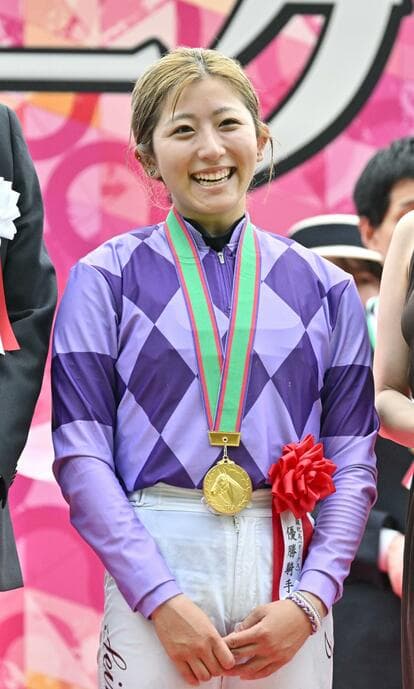
Seina Imamura etched her name into Japanese racing history at Tokyo Racecourse, guiding Juryoku Pierrot to victory in the Yushun Himba, the Japanese Oaks, and becoming the first Japanese woman jockey to win a domestic Grade 1 race. The daughter of Orfevre did it the hard way, too, with a front-running setup gone quiet early and a finish that demanded timing, nerve and patience.
Juryoku Pierrot broke from the No. 16 gate in a field of 18 fillies and settled near the back of the pack over one circuit of the Tokyo turf. The 2,400-meter trip was a new test for both horse and rider, and the slow pace only raised the stakes for whoever could produce the sharpest closing run. Imamura waited as the field rolled toward the uphill stretch, keeping her filly covered while rivals around her began to scramble for position.

Once clear running appeared, the race changed in an instant. Imamura asked, Juryoku Pierrot responded, and the filly swept to the front to win by a neck over Dream Core. Laughterlines finished third, and the depth of the finish told the story of the race as much as the margin did: the first six home were separated by just one length. The favorite, multiple Grade 1 winner Star Anise, never found the rhythm she needed after being pinched back early and traffic trouble left her 12th, underscoring how much the Oaks depended on trip, timing and execution.
The breakthrough carried weight beyond one result. Imamura, Japan’s Best Newcomer Jockey in 2022, became only the second female jockey ever to win a Grade 1 flat race in Japan, following Rachel King’s February Stakes triumph in 2025. That places Imamura’s Oaks win in a broader shift for the sport: not as a symbolic exception, but as proof that a female jockey can deliver in one of the country’s biggest races when the pressure is highest.

For Japanese racing, the impact reaches past the winner’s circle. A first-of-its-kind domestic Grade 1 victory gives future fillies, riders and owners a new reference point, and it raises the ceiling on what female jockeys can be expected to do in the biggest races. On a day when pace, patience and opportunity all aligned, Imamura did more than make history. She changed the conversation around who can win it.
This article was produced by Prism’s automated news system from verified source data, official records, and press releases, then run through automated quality and moderation checks before publishing. The system is built and supervised by the people who set the standards it runs under. Read our full AI policy.
Did this article answer your question?