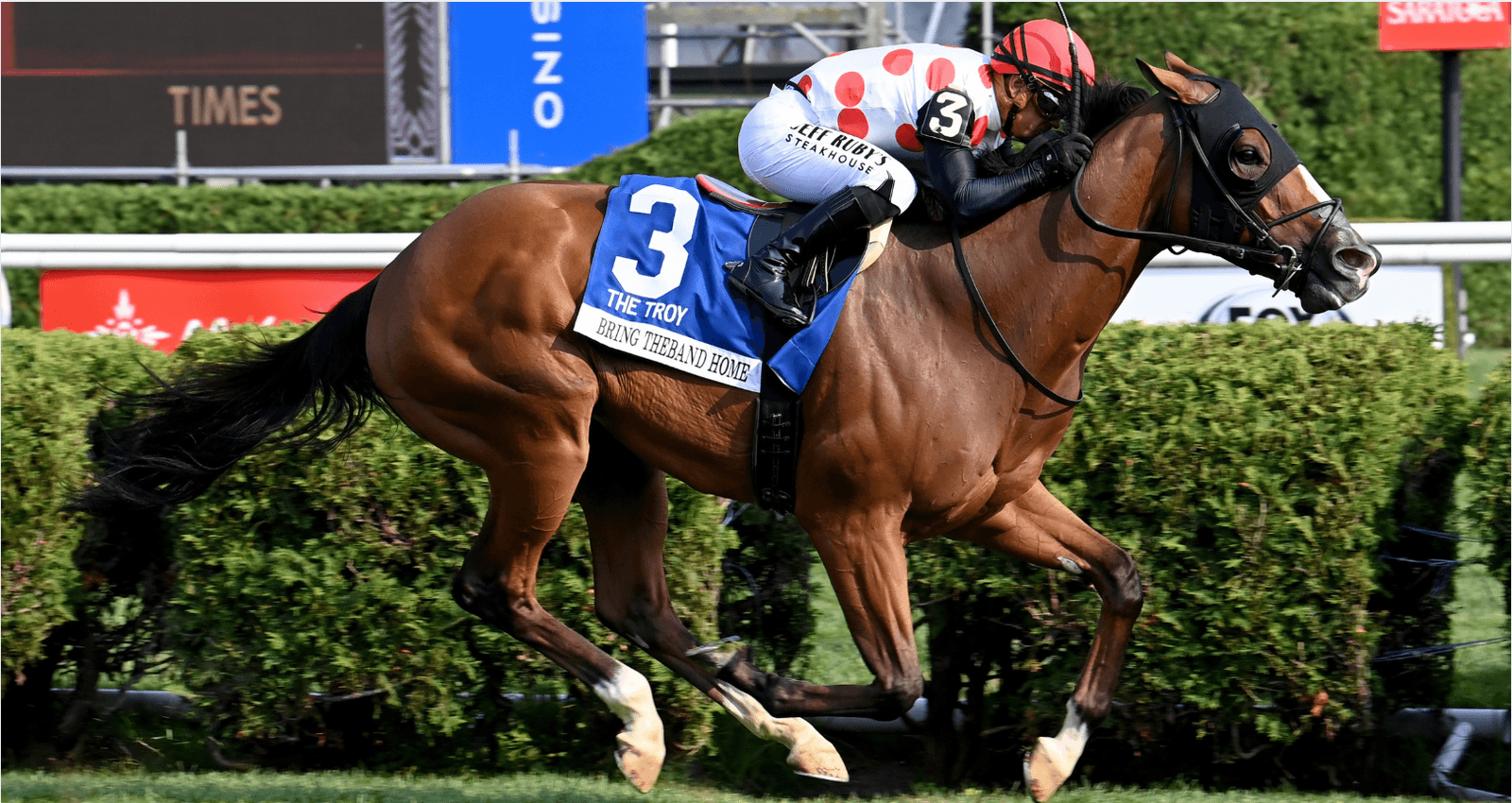
So Happy carries Miller family breeding legacy toward Kentucky Derby
So Happy's Derby run is really a 48-year family story, with Leverett and the late Linda Miller's breeding patience now carrying a homebred colt toward Churchill Downs.
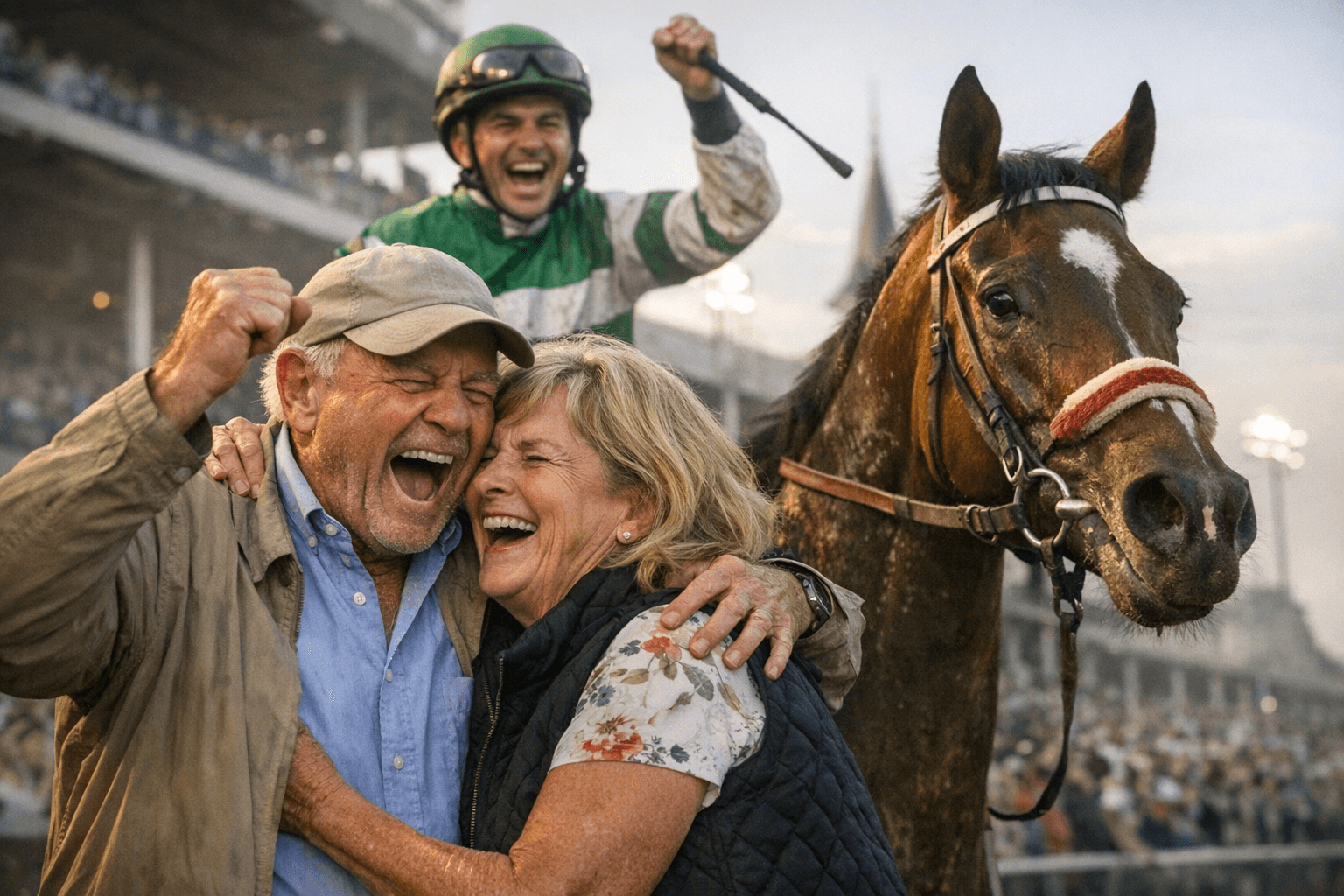
So Happy’s Santa Anita Derby win did more than clinch a Kentucky Derby ticket. It put a homebred colt from a Florida breeding program built over nearly half a century at the center of racing’s biggest stage, with 94-year-old Leverett Miller and the memory of his late wife Linda carrying as much weight in the story as the horse himself.
A Derby berth earned at Santa Anita
The colt punched his place in the 152nd Kentucky Derby by winning the Grade I Santa Anita Derby on April 4, 2026, at Santa Anita Park in Arcadia, California. Under Hall of Fame jockey Mike E. Smith, So Happy won by 2 3/4 lengths in 1:49.01, taking a $500,000 race that also delivered the qualifying points that secured his spot in the 20-horse Derby starting gate.
That matters because the field for the first Saturday in May is brutally limited. So Happy was already fourth on the Derby leaderboard with 115 points in mid-April, which put him in strong position even before the final pre-Derby moves were complete. By April 22, Churchill Downs said he had already arrived and was jogging on track, a sign that the last stage of the campaign was underway.
The Miller family’s long game
The deeper story is not just that So Happy won. It is that he represents the kind of result that only comes from patience, continuity, and a breeding plan measured in generations rather than sales cycles. Leverett and Linda Miller developed T-Square Stud in 1978 in Fairfield, Florida, and built it into a place where breeding, breaking, and long-term horse development all lived under the same roof.
So Happy, bred in Kentucky by Leverett S. Miller, is by Runhappy out of So Cunning by Blame. That pedigree matters, but so does the philosophy behind it: the Millers were never trying to produce something flashy for the moment. Their goal was simpler and harder to achieve, a sound racehorse that could hold up to the sport and earn its keep at the highest level.
Linda Miller’s hands-on legacy
Linda Miller’s role gives the story its emotional center. She came into horses with little experience, then became an active part of the farm’s daily work, helping foal mares and shape a mare band built around soundness and long-term quality. That transformation is one of the most revealing parts of the family story, because it shows how a breeding operation can become a shared craft, not just a business asset.
Her daughter, Penelope Miller, carried that philosophy forward by emphasizing that the family never bred to produce anything other than a sound racehorse and never cared about flash over substance. That point lands especially hard in a sport that often rewards short-term hype, because the Miller model is the opposite: slow decisions, repeated over years, producing a horse good enough to matter on the first Saturday in May.
From the breeding barn to broader service
T-Square Stud was more than a place to raise horses. Linda Miller helped launch a Florida prison-based Thoroughbred Retirement Foundation program and supervised barn and fencing construction, extending the farm’s reach beyond bloodlines and into human rehabilitation. That work reflected the same practical generosity that defined her role at the farm, where horses were not just assets but teachers.
The broader program underscores how racing’s best aftercare and education efforts can work. The Thoroughbred Retirement Foundation’s Second Chances Program operates at correctional facilities in eight states and teaches inmates horse anatomy, nutrition, injury care, and other vocational skills. Graduates have gone on to jobs as farriers, vet assistants, and caretakers, a path that turns horse knowledge into a second career and gives the industry a meaningful community footprint.
Why So Happy resonates now
So Happy’s rise gives that legacy a modern ending without turning it into nostalgia. The colt’s speed was real, and the Santa Anita Derby proved he can handle the pressure of a graded stakes fight, but the resonance comes from what he represents: a breeder’s son carrying forward a family standard that began in 1978 and survived every change in the commercial side of racing.
That is why the 152nd Kentucky Derby feels especially charged for the Millers. Leverett Miller’s age, Linda Miller’s absence, the homebred pedigree, the top-four position on the leaderboard, and the colt’s arrival at Churchill Downs all point to the same truth: some of racing’s most memorable stories are not bought in a sale ring, but built slowly by families who stay with their horses long enough to see the results. So Happy is now running for roses, but he is also running for memory, patience, and a breeding legacy that was never interested in anything less than the real thing.
This article was produced by Prism’s automated news system from verified source data, official records, and press releases, then run through automated quality and moderation checks before publishing. The system is built and supervised by the people who set the standards it runs under. Read our full AI policy.
Did this article answer your question?