Sonshi Dominates G3 Hankyu Hai at Hanshin, Wins by 3.5 Lengths
Sonshi charges to a 3.5-length victory in the G3 Hankyu Hai at Hanshin under Yuga Kawada, collecting a ¥43,630,000 winner’s share in the six-furlong sprint.
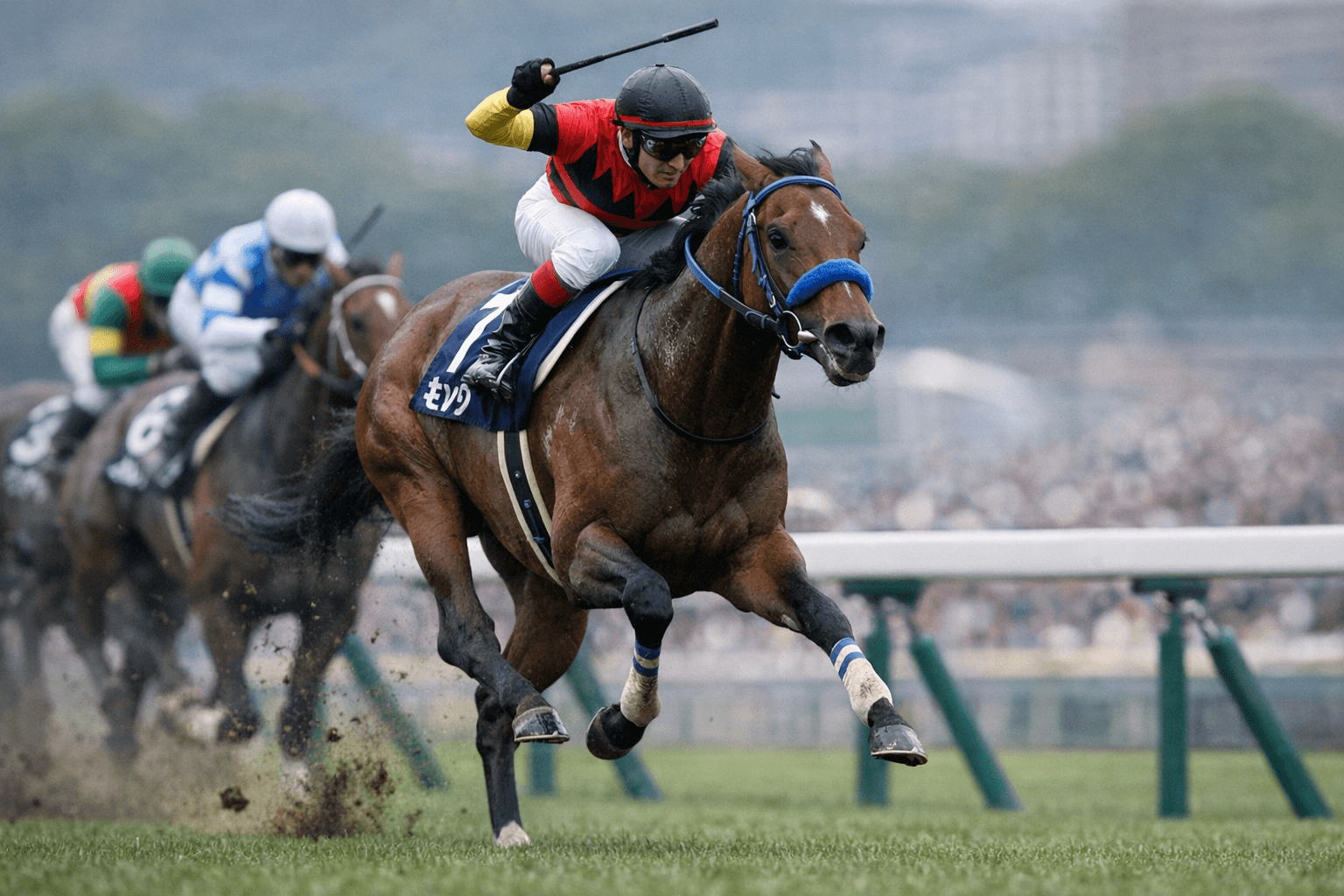
Sonshi produces a dominant performance in the G3 Hankyu Hai at Hanshin, winning by 3.5 lengths under Yuga Kawada and taking the ¥43,630,000 winner’s share in the six-furlong sprint on February 21, 2026. The margin of victory and the size of the purse mark the race as a decisive early statement for Sonshi in Japan’s 2026 sprint division.
The Hankyu Hai remains a key early-season pattern event in Japan, and Sonshi’s win at the six-furlong distance reinforces that status. Ridden by Kawada, Sonshi held off challengers throughout the stretch to seal the Group 3 victory at Hanshin, a track that often sets the tone for sprinters targeting bigger pattern targets later in the season. The ¥43,630,000 first prize will materially increase the horse’s earnings and profile among connections plotting a 2026 campaign.
Yuga Kawada’s mount on Sonshi delivered a clear separation at the finish, the 3.5-length margin underscoring the colt’s superiority over the field in this edition of the Hankyu Hai. The race’s Group 3 billing and six-furlong trip make it a compact, high-stakes test; Sonshi’s authoritative closing distance and the substantial winner’s share combine to elevate the performance beyond a routine pattern win at Hanshin.

This result positions Sonshi as a leading sprinter out of the early 2026 pattern races, with the Hanshin victory and the ¥43,630,000 payday providing both racing credentials and tangible financial reward for owner and trainer. With Yuga Kawada in the irons, Sonshi leaves the Hankyu Hai with a performance that demands attention from rival camps planning their spring and summer programs. The margin, the money, and the venue together make this a performance that reshapes expectations for Sonshi in Japan’s sprint division.
This article was produced by Prism’s automated news system from verified source data, official records, and press releases, then run through automated quality and moderation checks before publishing. The system is built and supervised by the people who set the standards it runs under. Read our full AI policy.
Did this article answer your question?