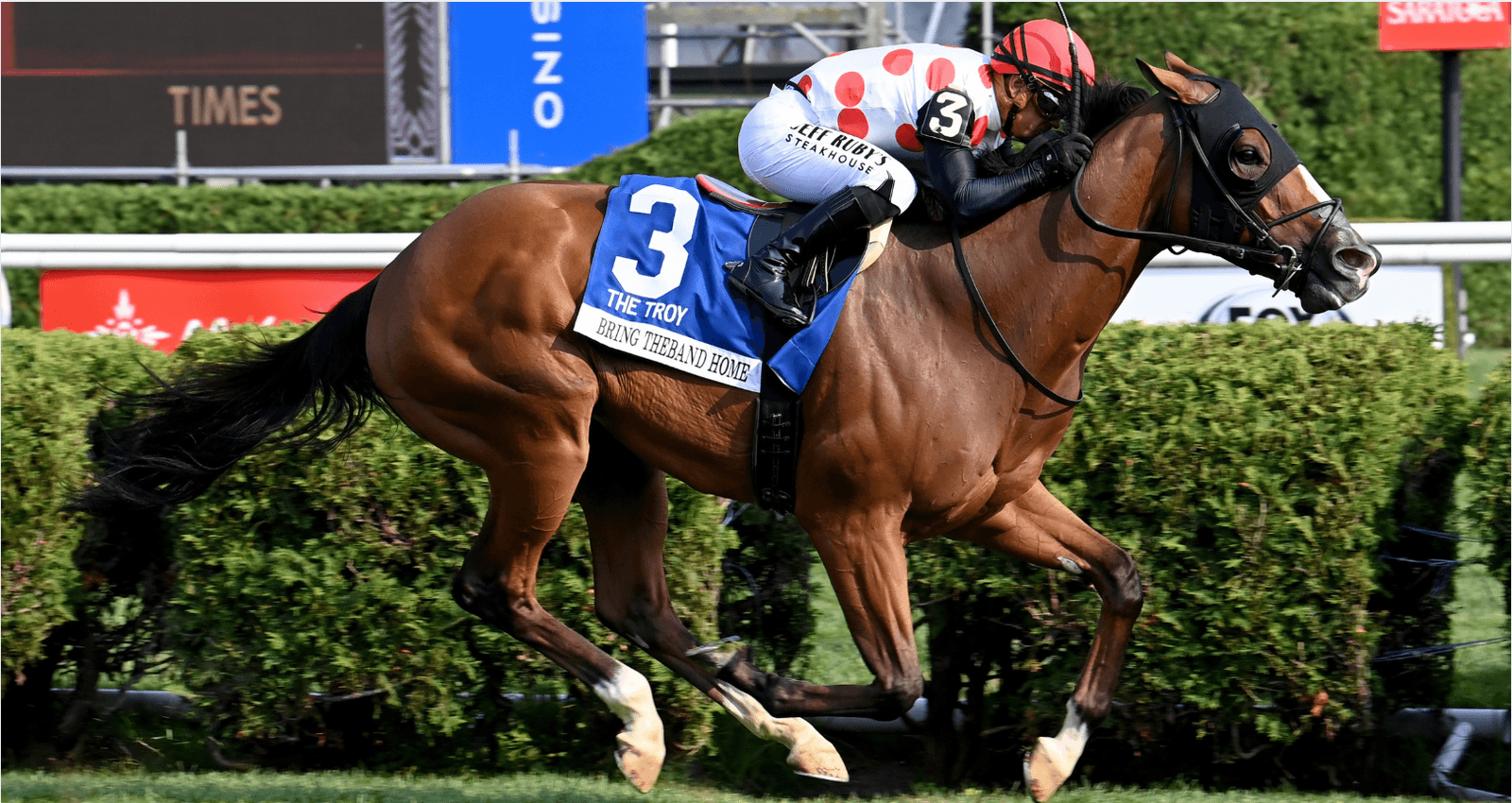
South Carolina Senate Finance Committee Advances Equine Advancement Act 12-6
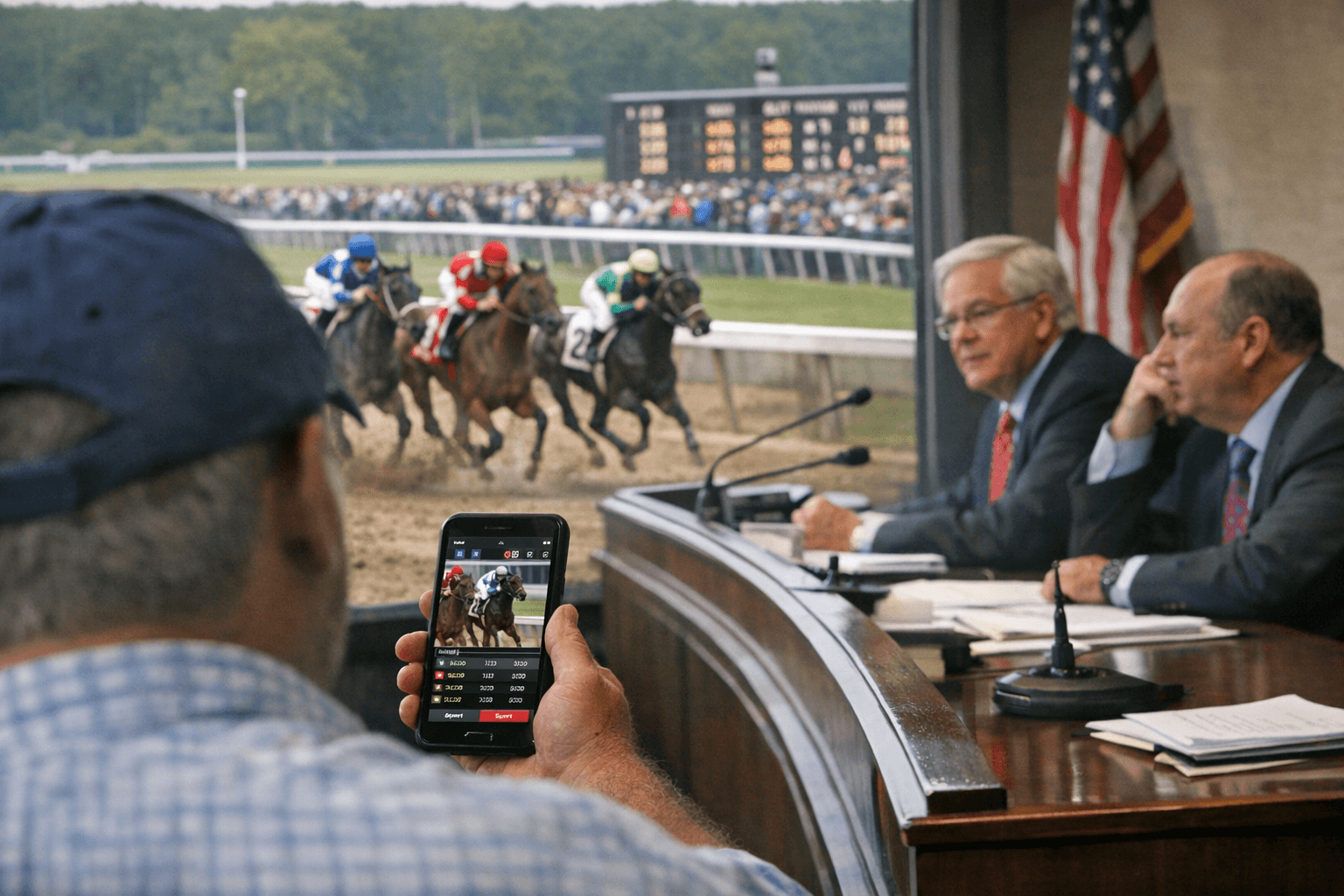
South Carolina's Senate Finance Committee voted 12-6 to advance S.344, a bill letting bettors wager on live horse races via mobile app, but only while physically present at a state racetrack.

A $1.9 billion industry is one committee vote closer to its first legal wagering framework after the South Carolina Senate Finance Committee voted 12-6 to advance the Equine Advancement Act, moving S.344 to the full Senate with a favorable recommendation.
The bill, sponsored by Senator Michael Johnson of Tega Cay alongside Senators Ott, Graham, Adams, Peeler, Leber and Young, would legalize mobile wagering on live horse races with a strict geographic tether: bettors must be physically present at a designated South Carolina racetrack when placing any wager. That limitation was central to the bill surviving scrutiny that has killed broader gambling proposals during the current legislative session.
"The goal is to take the proceeds from this and pump that directly into our equine industry, horse training, horse farms, horse racing, all of those things, so that they have an opportunity to compete with the other states that already have this," Johnson said.
The bill arrived at the Finance Committee already trimmed by a subcommittee that voted 3-1 to advance it after adopting several amendments. Those changes struck specific fee-raising language from the original draft, shifted the cost of fingerprint-based background checks from the commission to license applicants, and narrowed a broad regulatory delegation that critics viewed as too open-ended. The subcommittee also directed legislative staff to draft advertising restrictions modeled on South Carolina's Education Lottery law, with internet and social media safeguards, age-gating provisions, and protections against marketing that would, in the words of one senator during the subcommittee session, "target and export ethnic groups or economic classes of people." A separate advertising amendment is to be considered by the full committee.
The current version is also narrower than its predecessor. An earlier draft would have permitted South Carolina bettors to wager on any live race held anywhere in the country; that national scope was removed after concerns about the breadth of gambling expansion.
The economic argument behind the bill draws on a 2019 study from the South Carolina Department of Agriculture, conducted with the University of South Carolina, which estimated the state's equine industry generates between $1.9 billion and $2 billion in annual economic activity and supports between 28,500 and 29,000 jobs. South Carolina is home to approximately 73,600 horses across racing, showing, and recreational uses. Proponents argue the state is forfeiting millions in wagering revenue to other states, and to illegal markets, while the industry stagnates.
The bill would create a South Carolina Equine Commission as a grant-making body and establish an Equine Industry Development Fund, with licensing mechanics for advanced deposit wagering built into the regulatory structure. Senate Finance Chairman Harvey Peeler signed the committee's favorable report and is among the bill's sponsors.
Despite that committee-level support, the bill faces a difficult path. Senator Greg Hembree of Little River, a supporter, framed the challenge plainly: "We just have to be vigilant and watch it and see how it evolves and be ready to come back if somebody figures out a way to take advantage."
Both the Palmetto Family Council and the South Carolina Baptist Convention have lobbied against gambling expansion bills during the current session. Governor Henry McMaster, a longstanding opponent of gambling, is widely expected to veto any measure he views as overreaching. The other gambling proposals filed this session have largely stalled: an online sports betting bill failed to clear a Senate subcommittee, a casino bill advanced to the House floor before being sent back to Ways and Means in January, and a bingo machine bill for veterans' organizations was returned to subcommittee the same day the Finance Committee advanced S.344.
Of all the gambling proposals in the 2025-2026 session, the Equine Advancement Act carries the best odds of reaching the governor's desk, though whether McMaster would sign a bill tightly confined to on-site, in-state wagering remains the central unanswered question as the legislation heads to the full Senate.
This article was produced by Prism’s automated news system from verified source data, official records, and press releases, then run through automated quality and moderation checks before publishing. The system is built and supervised by the people who set the standards it runs under. Read our full AI policy.
Did this article answer your question?