Tasracing plans fewer meetings as wagering falls, industry fears cuts
Tasracing wants five fewer thoroughbred meetings and 10 fewer harness dates next season, alarming clubs already squeezed by softer wagering and a thinner horse pool.
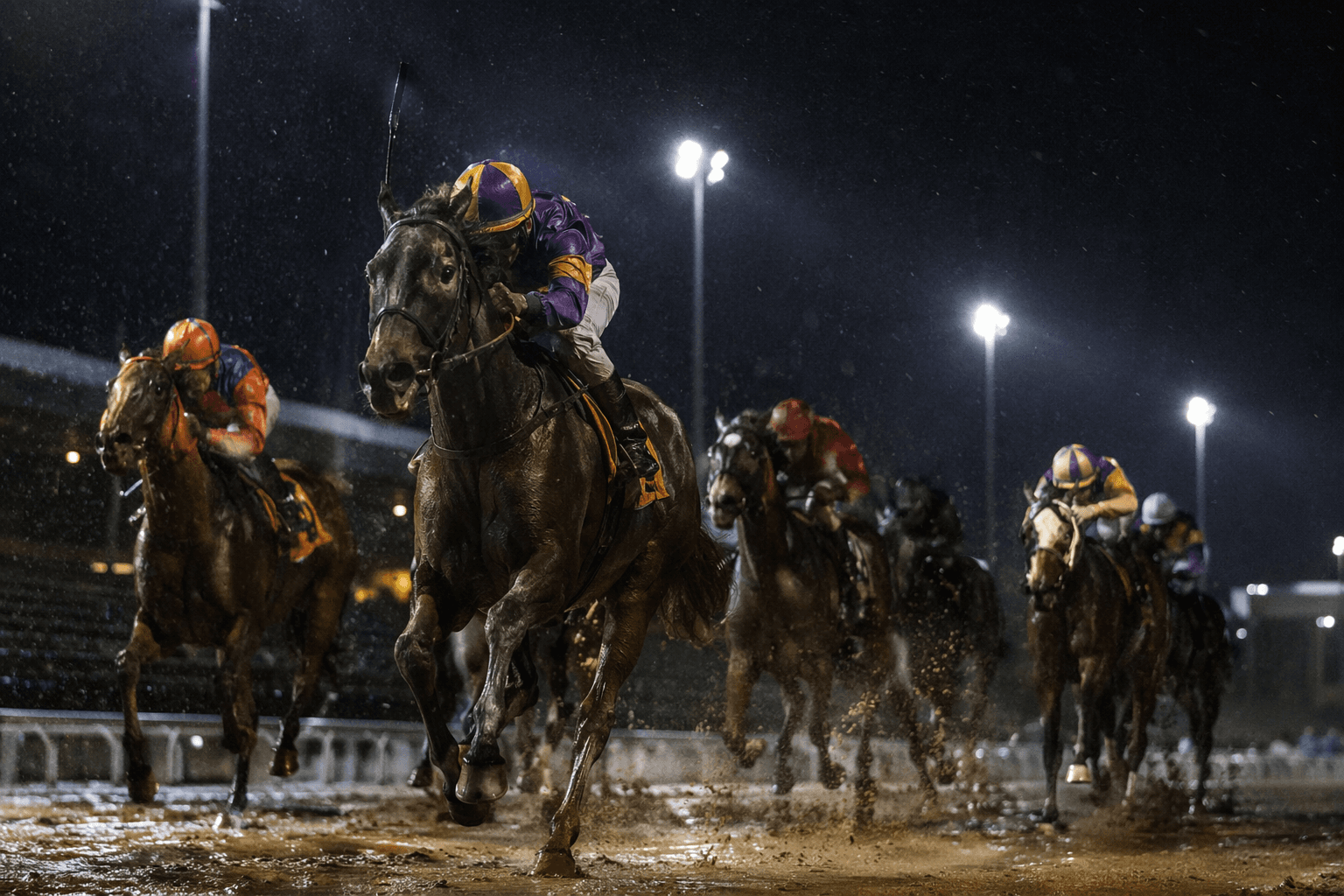
Tasracing is moving to trim the race calendar just as wagering weakens and the state’s horse numbers fall further behind demand, with five fewer thoroughbred meetings and 10 fewer harness meetings proposed for the upcoming season. For trainers, jockeys, drivers and owners, that means fewer chances to earn, fewer local fields to chase and fewer Saturdays of betting turnover flowing through tracks from Hobart to Mowbray Racecourse.
The regulator says the cuts are part of a necessary reset, a way to right-size an industry under pressure. But that argument is landing badly in racing circles, where some harness participants say the horse-population case does not match what they see on the ground. They point to meetings that still draw strong fields and say the bigger problem is not a lack of horses, but a shrinking number of opportunities to race them.
Tasmanian Labor has seized on the announcement, arguing the reduction may reflect the Rockliff Government’s failure to fully index racing funding to CPI. That debate matters because the calendar is not just a fixture list. In Tasmania, every lost meeting ripples through stable wages, float operators, farriers, casual staff and the local tracks that rely on race days to stay relevant in smaller markets like Launceston, Devonport and Spreyton.
King Island has become the clearest example of how fragile the system can be. Racing there went into hiatus last year after a shortage of horses and personnel, and King Island Racing Club president Audrey Hammer is still waiting for clear direction from Tasracing on whether the island’s races will return. There is a possible lifeline: a South Australian trainer has reportedly shown interest in relocating up to six horses to the island if support is available, but that is not yet a plan, only a possibility.
The backdrop is an industry still carrying the weight of integrity failures. Ray Murrihy’s final harness report, released on January 31, 2024, found team driving, race fixing and animal abuse in Tasmania’s harness code. His earlier interim report on September 20, 2023, called for enforceable horse-disposal and rehoming rules and said Tasmania was behind other states on rehoming standards. In 2025, a betting audit added to the pressure by finding five stewards had placed bets while employed in Tasmanian racing.
Even so, Tasracing’s numbers show an industry still receiving meaningful support. Its 2024 annual report said prize money and industry funding rose to $40.40 million, while total stakes paid across the three codes climbed to $32.86 million from $30.76 million the year before. The next test is political as much as sporting: recommendations on renewal of the Racing Deed are due to go to Parliament by August 2026, with the deed itself set to take effect in 2029. Whether this is sensible right-sizing or the first clear warning sign for a small racing jurisdiction will depend on whether fewer meetings produce a leaner sport, or simply a smaller one.
This article was produced by Prism’s automated news system from verified source data, official records, and press releases, then run through automated quality and moderation checks before publishing. The system is built and supervised by the people who set the standards it runs under. Read our full AI policy.
Know something we missed? Have a correction or additional information?
Submit a Tip