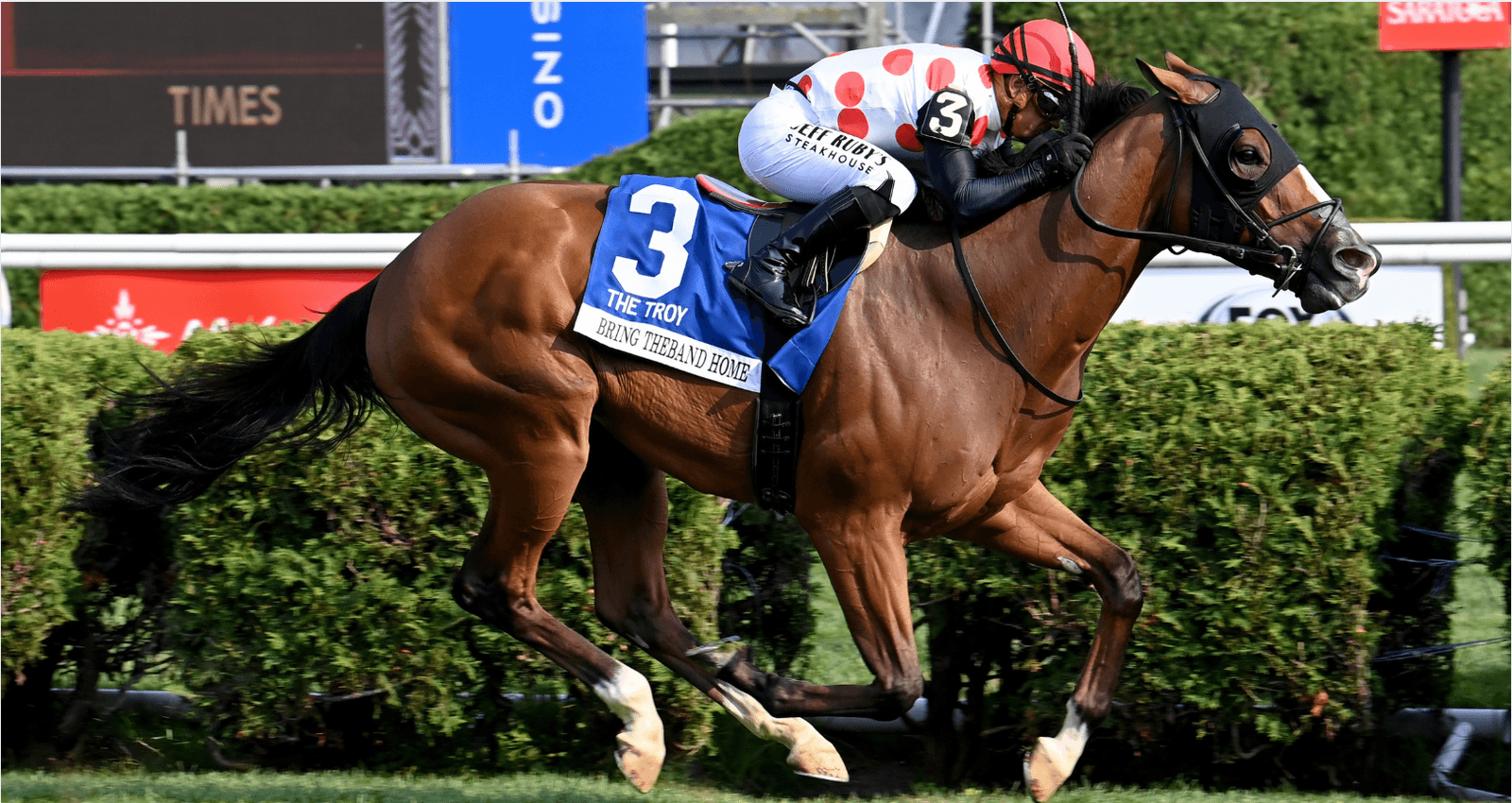
Tattersalls Flags Falling Foal Crops as Major Industry Risk
Tattersalls listed falling foal crops as a principal business risk for the first time, as Weatherbys recorded a 9.5% drop in British and Irish foals born in 2025.
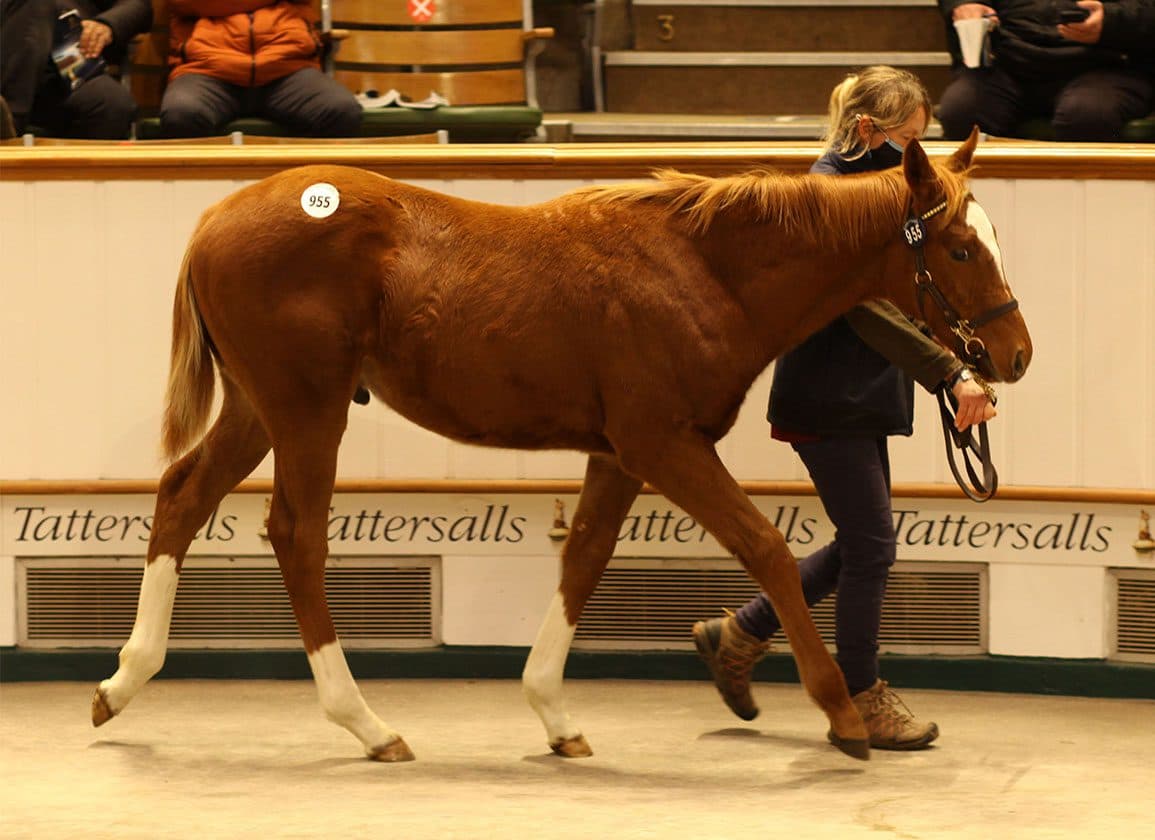
For the first time in its history, Tattersalls has listed declining foal crops among the "principal risks and uncertainties" facing the company, a formal acknowledgment that the thoroughbred breeding slump in Britain and Ireland has reached a threshold serious enough to flag in its Companies House accounts covering the year ending June 30, 2025.
The filing landed as Weatherbys figures confirmed a 9.5 percent drop in the number of foals born in Britain and Ireland during 2025, the most significant year-on-year decline recorded in more than a decade. For the world's most storied bloodstock auction house, whose entire business model depends on a steady pipeline of young horses, the registration of that figure as a formal corporate risk carries weight beyond routine regulatory disclosure.
The concern is not confined to one auction season. Philip Newton, chair of the Thoroughbred Breeders' Association, told delegates at the 41st Asian Racing Conference in Riyadh that the worldwide foal crop has fallen by 36 percent over the last 20 years. Speaking at a conference that drew racing industry leaders across the globe, Newton made a direct plea to British racing: "to deal with a problem, a problem must be accepted in the first place as a problem."
Newton pressed further, arguing that the sport needs a structural response capable of attracting substantial outside capital. He suggested that creating a new commercial product, using a racing super league as one example, could provide the kind of outside investment the industry currently lacks to reverse the trend.
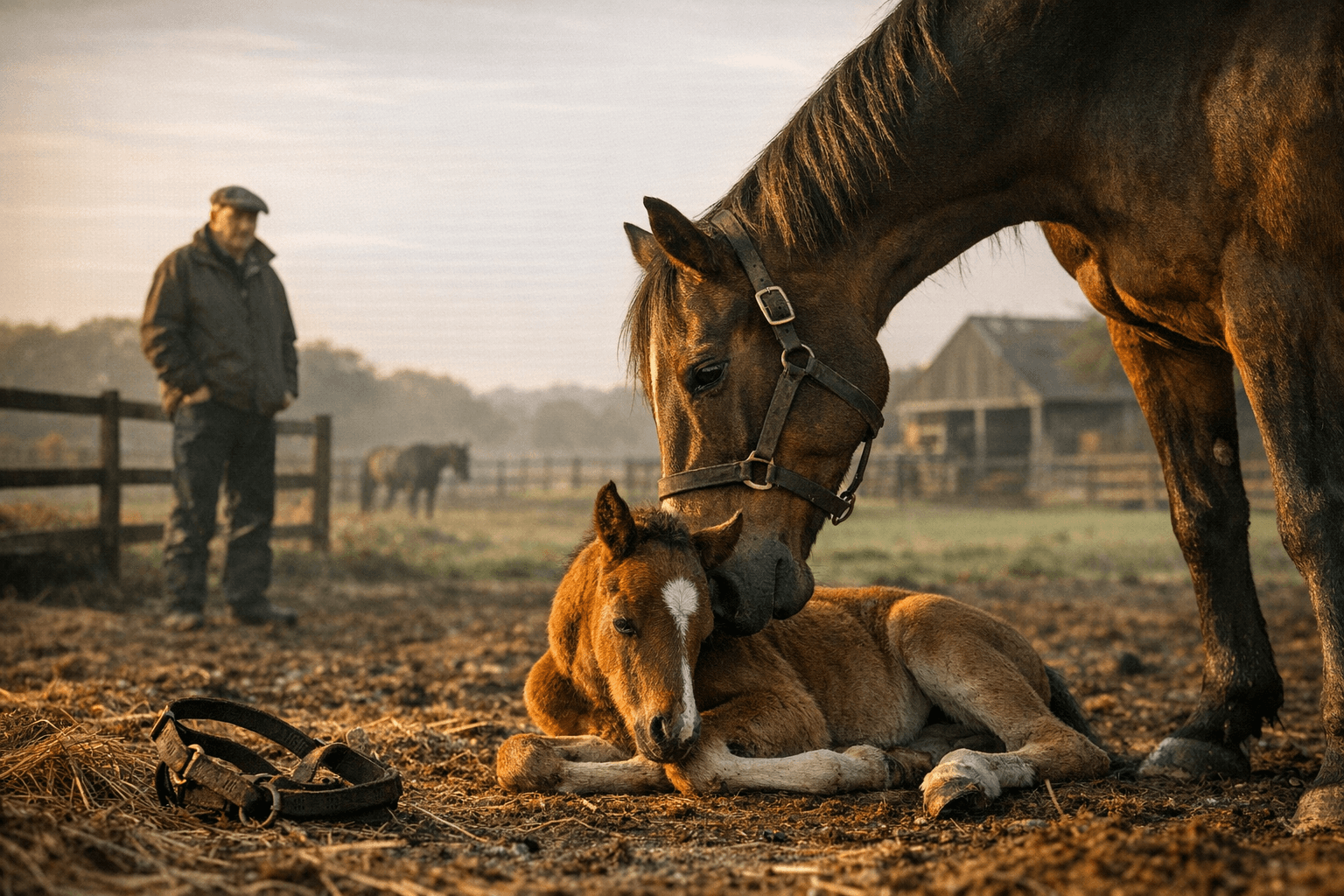
The Racing Post has noted that foal crops have been dropping in Britain and Ireland throughout this century, making the 2025 figures part of a long deterioration rather than a sudden shock. What has changed is the institutional response: Tattersalls codifying the risk in its directors' report signals that the auction market is now formally recalibrating around a smaller pool of future racehorses, with direct consequences for sales volumes and bloodstock valuations.
Not everyone in the broader public views a smaller foal crop as an unambiguous negative. A comment posted beneath BloodHorse's coverage of the story captured a dissenting view. Facebook user Lin Otherlyn wrote: "That's OK. Until Breeders are willing to step up and be responsible for the horses they bring into the world, from birth through safe retirement after a long life of earning their oats…fewer foals born may mean fewer horses ending up in slaughterhouses."
That sentiment reflects a tension the industry will have to navigate as it makes the case for reversing the decline. Newton's call for acceptance of the problem is the first step; what British racing chooses to build from that acknowledgment will determine whether the next decade looks anything like the last twenty years of contraction.
This article was produced by Prism’s automated news system from verified source data, official records, and press releases, then run through automated quality and moderation checks before publishing. The system is built and supervised by the people who set the standards it runs under. Read our full AI policy.
Did this article answer your question?