Trainers urge use of in-running data after Derby non-runner ruling
Benvenuto Cellini’s late Derby non-runner call triggered refunds, a Rule 4 deduction and a push for stewards to see live betting data. Trainers say that could stop another betting scramble.
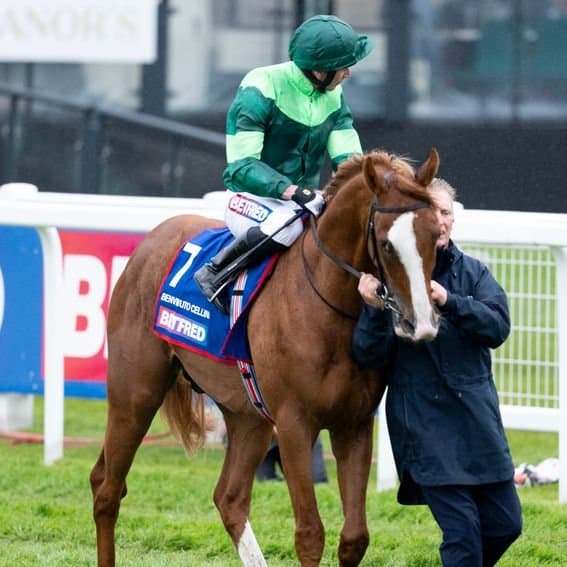
Benvenuto Cellini’s Derby day turned into a betting-market mess at Epsom, and now trainers want stewards to have the same in-running data punters already watch. The 3-1 favourite was first placed 10th of 14 in the 2026 Betfred Derby, then declared a non-runner about 20 minutes after the finish when stewards ruled he had been denied a fair start because his left hind leg was on the shelf inside the stalls as the gates opened.
That decision rippled straight through the betting ring. Bets struck on Benvenuto Cellini after declarations on Wednesday were refunded, while winning bets on stablemate Christmas Day were hit with a 25p-in-the-pound Rule 4 deduction, although some bookmakers waived it. For punters who backed the Derby market in real time, the sequence was as confusing as it was costly: the race had been run, the result had been settled, and then the favorite was wiped from the equation.

Paul Johnson, of the National Trainers Federation, argues that this is exactly the kind of situation where stewards should be able to see the in-running market before they rule. His case is simple: if live betting data shows a horse’s chance was materially altered at the start, that information could help stewards judge whether a non-runner call is justified, and could reduce the chance of another Derby-style backlash among trainers and punters.
The British Horseracing Authority has defended the ruling, saying the Derby was “probably the most extreme test of this rule imaginable” and stressing that Britain’s fair-start approach should sit in step with the majority of the international racing community. The BHA also pointed out that, from 1 May 2024, stewards in Britain have been able to declare a non-runner in flat races from starting stalls when a horse is denied a fair start, with those powers later extended to all race-start methods so the rules now cover stalls, tapes and other starts.
What happened at Epsom has sharpened the practical question behind the policy fight: if stewards had seen how the market moved around Benvenuto Cellini’s troubled start, would the verdict have landed faster, cleaner and with less damage to bettors and connections? After one of the most dramatic fair-start calls in recent memory, that is the standard trainers now want written into the process.
This article was produced by Prism’s automated news system from verified source data, official records, and press releases, then run through automated quality and moderation checks before publishing. The system is built and supervised by the people who set the standards it runs under. Read our full AI policy.
Did this article answer your question?