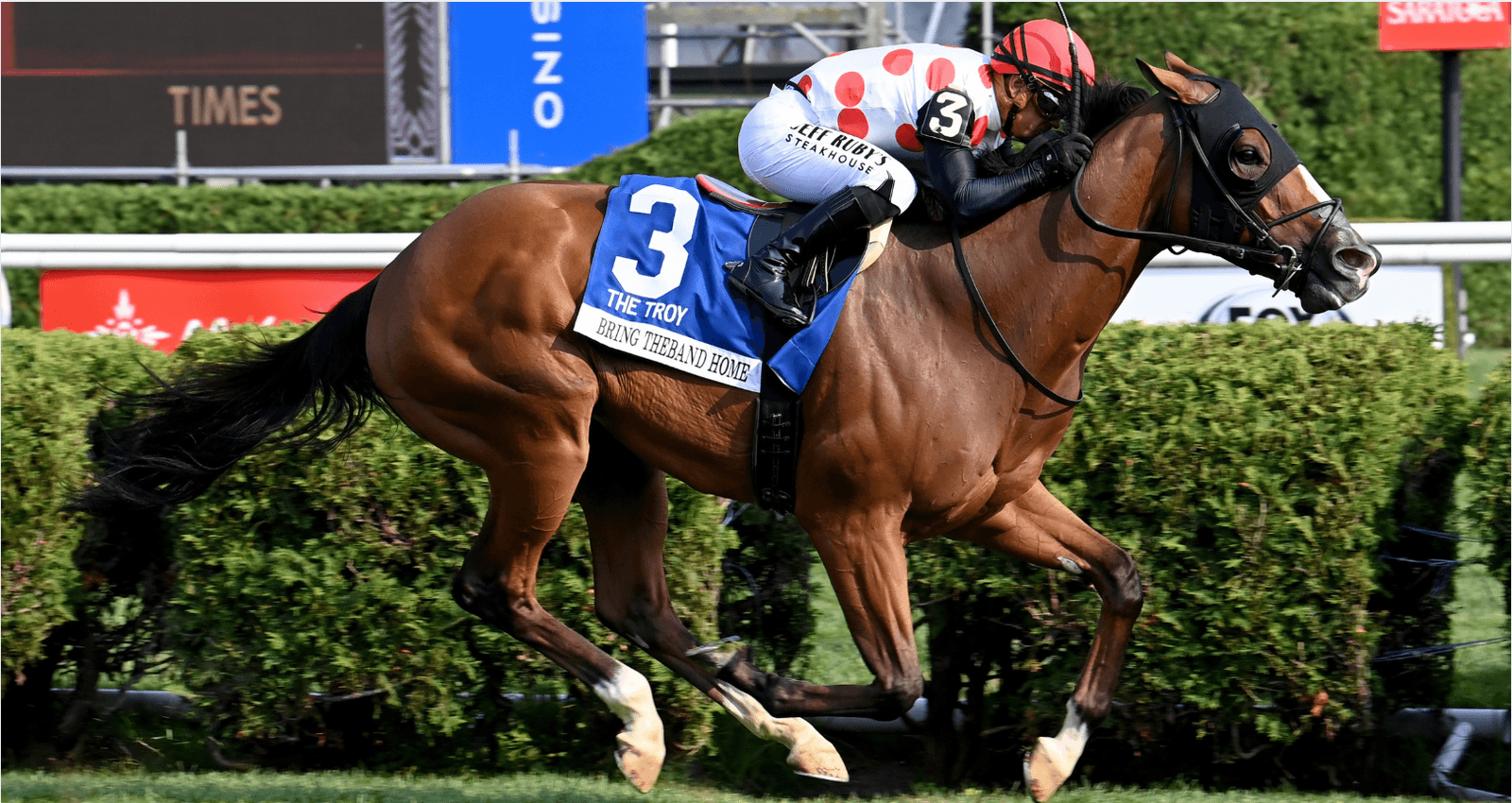
Tyler Conner begins new career as jockey agent after injury
A spine injury ended Tyler Conner’s riding career, but he is already helping shape other riders’ success as an agent for Inoel Beato and Gavin Ashton.
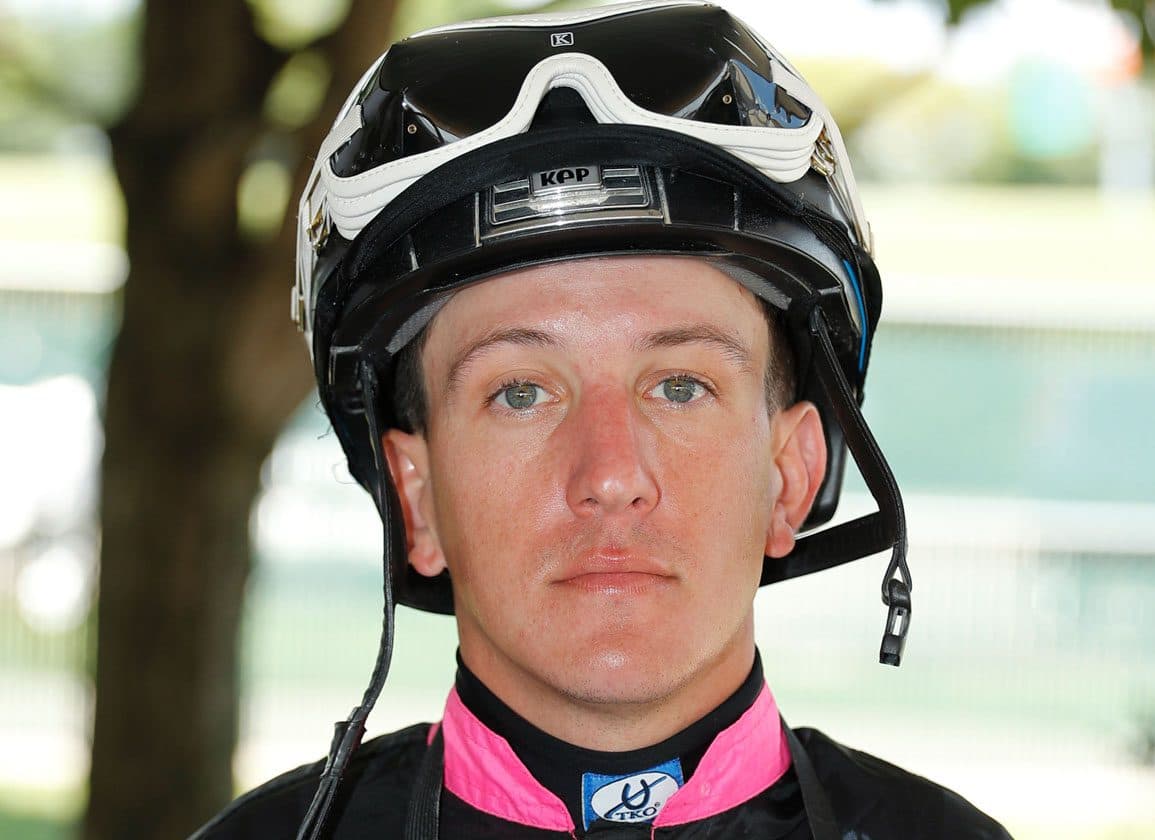
A spine injury ended Tyler Conner’s riding career, but it did not end his place in racing. He has moved into one of the sport’s most important behind-the-scenes jobs, representing jockeys Inoel Beato and Gavin Ashton and turning years of track knowledge into a second act built on relationships, judgment and hustle.
Conner’s path changed in the seventh race at Colonial Downs on July 24, 2025, when Stanza clipped heels and fell. Colonial canceled the remaining four races that day, and Conner was airlifted to VCU Medical Center in Richmond. Early reports said he suffered a C1 fracture and a broken nose, and later updates added a T5 fracture and a bruised spinal cord. He announced on August 5, 2025 that he was done riding, closing a career that left him with 7,997 starts, 1,272 wins, 1,233 seconds, 1,207 thirds and $29,289,724 in earnings, according to Equibase as of May 15, 2026.
By late 2025, Conner had already found a new lane in the same business. In North American racing, jockey agents are the people who book mounts and manage relationships with trainers and owners so riders can focus on race day. For Conner, that meant staying close to the same conversations that shaped his riding career, only now from the other side of the phone. His first client was Pennsylvania-based Inoel Beato, whom he took on in December.
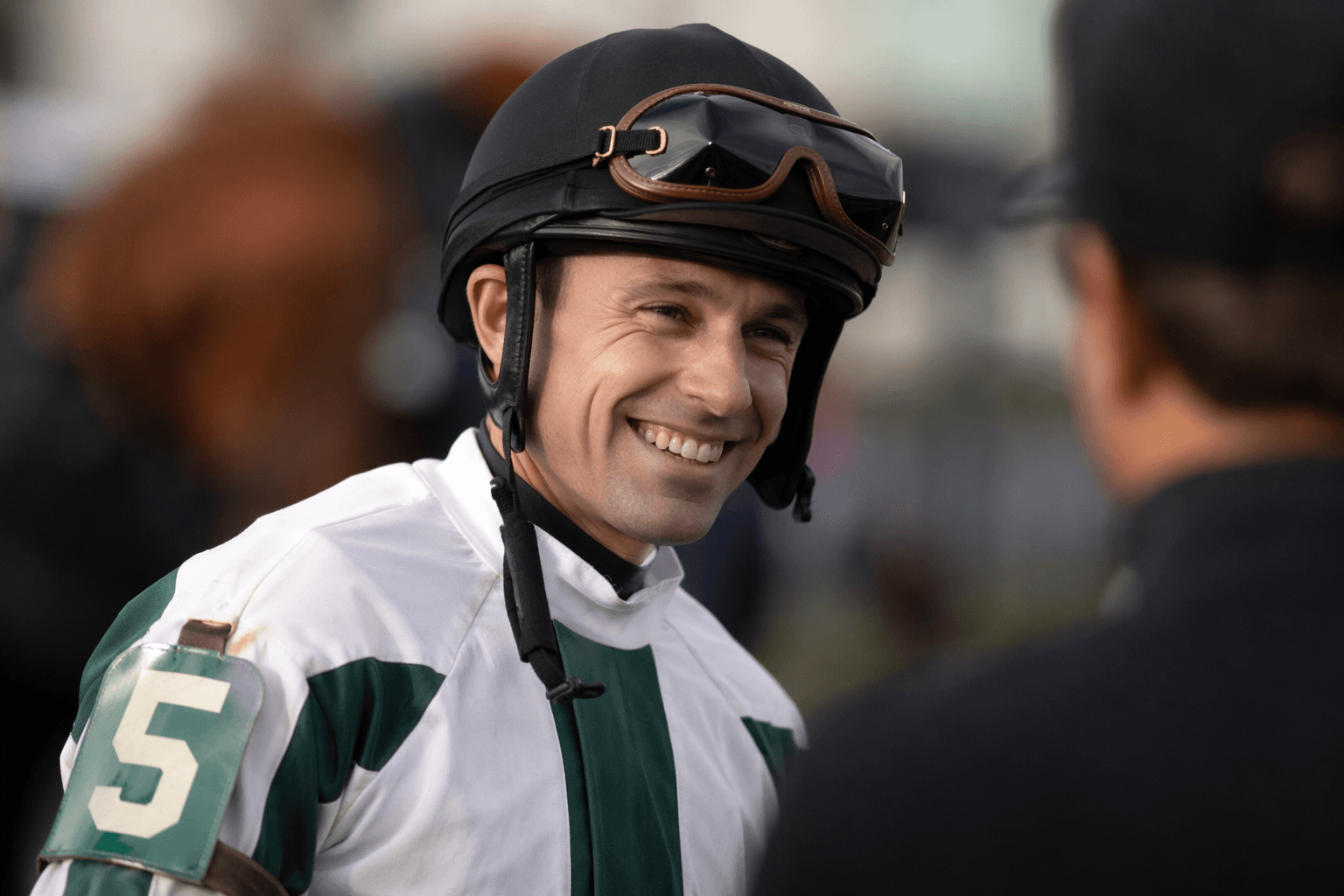
The move with Gavin Ashton gives the story its clearest human edge. Conner and Ashton had been friends and competitors for years before they began working together professionally, and Ashton’s relocation created the opening for a partnership that made sense for both sides. Their first notable payoff came quickly: Lewis the Robber, the first mount Conner booked for Ashton, won a starter optional claiming race at Penn National on May 28, 2026 as a 67-1 longshot.
That kind of result is why Conner’s transition matters beyond one rider or one result. Racing loses experienced horsemen every time an injury ends a career, but it does not have to lose all of their knowledge. Conner has said he hoped to build beyond Pennsylvania into Maryland and Delaware, a sign that his new role was not symbolic at all. It was a practical attempt to keep a seasoned racing mind in circulation, helping other jockeys find better opportunities while staying inside a sport that often offers only a narrow path after catastrophe.
This article was produced by Prism’s automated news system from verified source data, official records, and press releases, then run through automated quality and moderation checks before publishing. The system is built and supervised by the people who set the standards it runs under. Read our full AI policy.
Did this article answer your question?