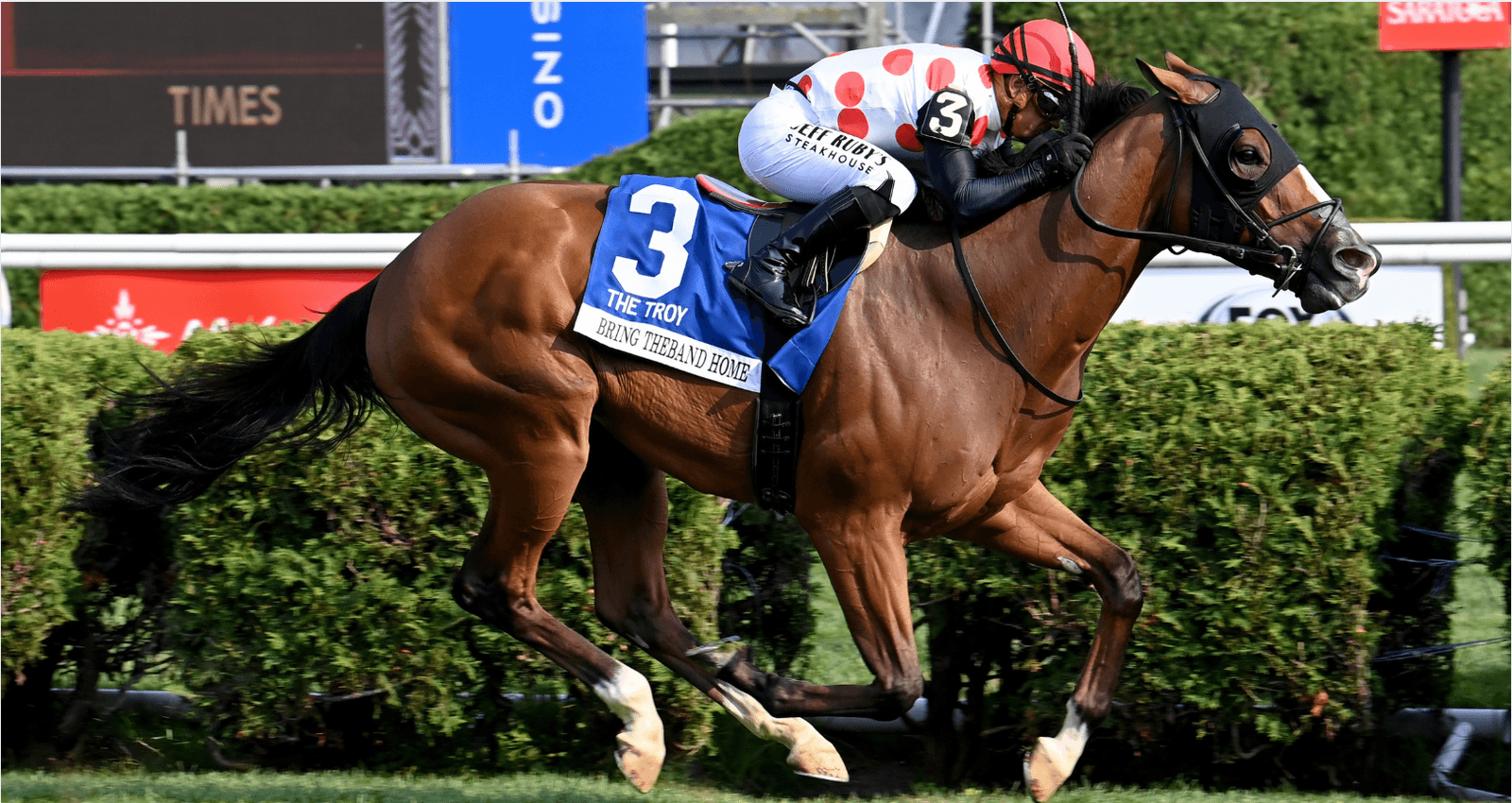
UK Horse Racing's Governance Crisis Deepens as Factions Battle for Control
Lord Allen quit as BHA chair after just six months, unable to win agreement on an independent board; the Jockey Club and Ascot are now threatening to break from the Racecourse Association entirely.
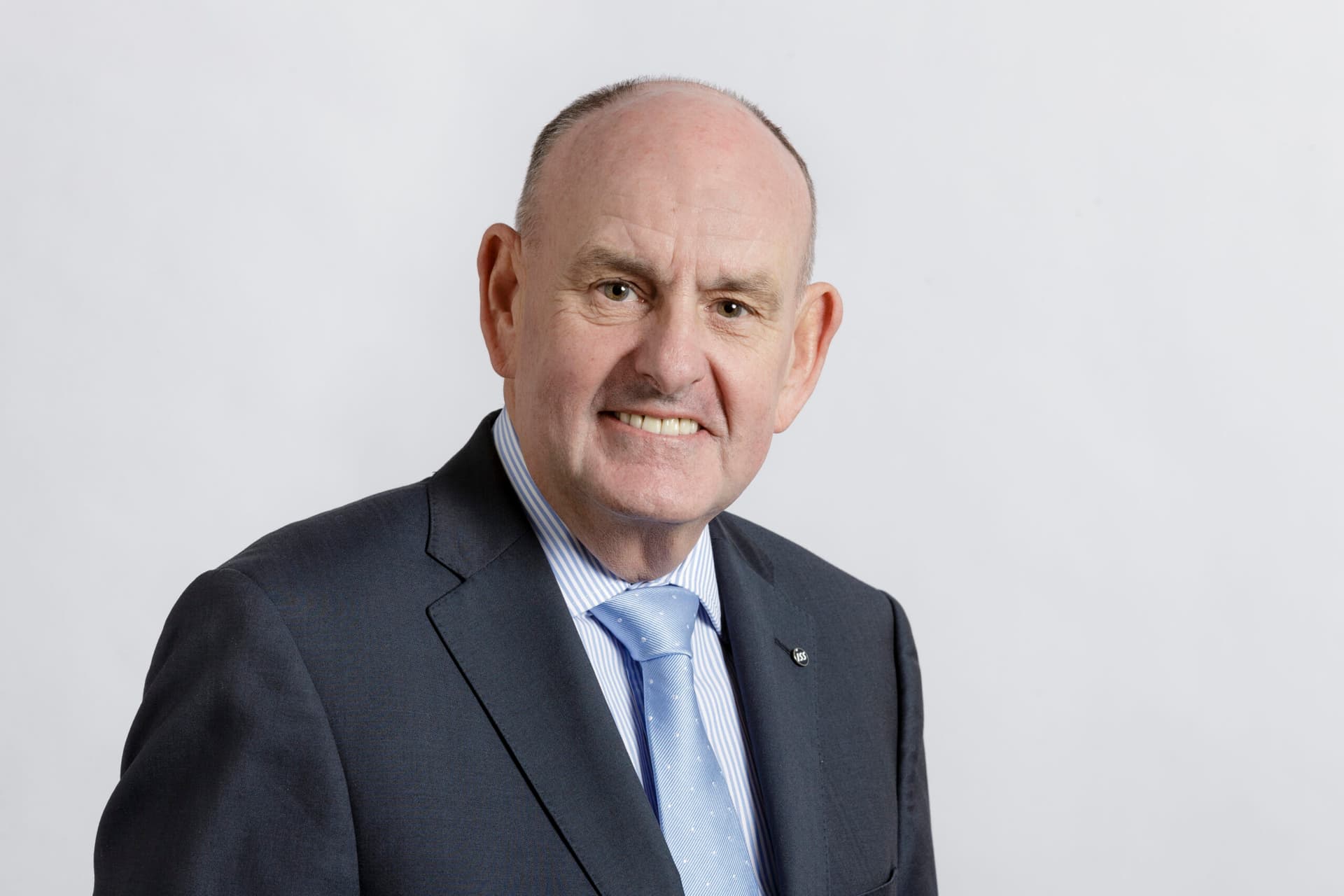
Lord Charles Allen's tenure as British Horseracing Authority chair ended after just six months in the role, and the sport he left behind is more fractured than when he arrived. News of his departure was swiftly followed by a call from the Jockey Club and major racecourses Ascot, Goodwood, Newbury and York for an "urgent review of the Racecourse Association governance to support industry change."
To understand how British racing arrived at this point, you have to go back to March 2025 and a question that reverberated across the sport. At a meeting in London of the National Trainers Federation, William Haggas, son-in-law of Lester Piggott and trainer of the King's horses, put a simple question to the room: who runs racing? The answer was unanimous: the racecourses. "If you are looking for a problem with governance, I'd start there," said Haggas.
The diagnosis was pointed. The Racecourse Association (RCA), which sits on the BHA board, represents nearly all of Britain's 59 racecourses. It is immensely powerful and owns the fixture list, but it is not united. Of those 58 racecourses represented by the RCA, the Jockey Club owns 15, including Aintree, Cheltenham and Newmarket; Arena Racing Company owns 16, mostly smaller courses such as Lingfield and Wolverhampton; the rest, including Ascot, Goodwood and York, are independently owned.
That fractured ownership map explains why no side can agree on anything. The Jockey Club and ARC have conflicting interests: the Jockey Club, governed by Royal Charter and reinvesting all profits back into the sport, puts on a smaller number of high-quality fixtures attracting large crowds; ARC, a commercial enterprise, hosts hundreds of lower-grade, less well-attended fixtures and sells the media rights to broadcasters and bookmakers. The financial stakes behind that model are stark. As Tom Morgan reported in the Telegraph, "For ARC, media rights are worth an estimated 60 per cent of their business model. For world-famous venues such as Ascot, media rights are around 10 per cent."
That 60 percent dependency is the root of the standoff. Within weeks of starting, Allen came into conflict with stakeholders over discussions for a new approach to commercializing race-day data rights, which was fiercely opposed by racecourses who had expected their existing terms would continue once the current deal ends in 2028. The impasse meant that racecourses would not sign off on reforms, including the introduction of an independent BHA board, unless he backed down.
Lord Allen wanted the BHA to be an independent board, so it would have more control of the fixture list, and "a seat at the table" in selling media rights. ARC, and therefore the RCA, could not agree to this, so Lord Allen walked away. The Jockey Club and independent racecourses, furious that the RCA essentially blocked Lord Allen's proposals, are now demanding radical change.
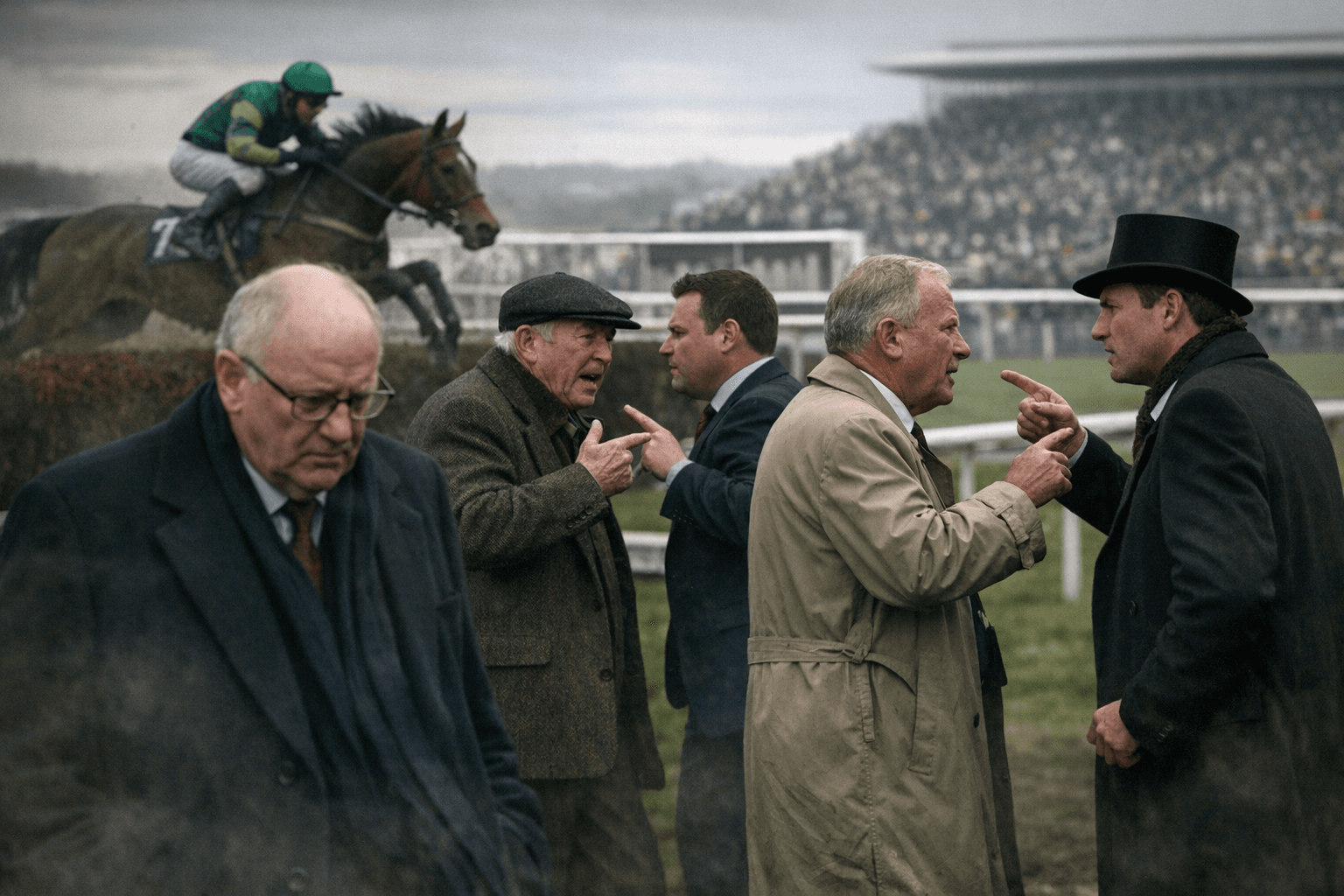
Jockey Club chief executive Jim Mullen wrote in the Sunday Times that the plan had been for "an independent body with an independent board" to be "empowered to make some of the tough decisions and lead our industry forward." He added: "Sadly, the status quo has won again."
The consequences are now playing out in real time. Ascot has already threatened to walk away from the RCA, with one racehorse owner telling the Telegraph that the racecourse "has pulled a pin on the grenade," while a senior industry source confirmed that "there is the possibility that the Jockey Club will go its own way," leaving a "split racing infrastructure."
The upheaval has led Britain's major tracks to write to Racecourse Association chairman Wilf Walsh, calling for a formal governance review and requesting a proposal for reform by the end of April 2026. That deadline now functions as the sport's next flashpoint.
The paralysis carries real costs beyond the boardroom. What looks to have caused Allen's downfall was a refusal by smaller racecourse owners, and in particular ARC, to support the idea of an independent BHA board. Racing Post analysis identified the structural problem that makes change so difficult: "The accusation has been that member-appointed directors have prioritised factional interests above the overall good of the sport. It was felt that an independent board would go a long way to remedying that situation." Falling betting turnover, shrinking field sizes and declining racecourse attendances have all been cited as consequences of a governance structure that rewards inertia over reform.
Racing Post editor Tom Kerr wrote that Lord Allen's departure leaves the sport "without direction at a time it can least afford it" and with a leadership group whose "fingerprints are all over" a "self-inflicted crisis." With the end-of-April deadline for RCA reform approaching and Ascot's departure from the body a live possibility, the question Haggas posed more than a year ago has never felt more urgent.
This article was produced by Prism’s automated news system from verified source data, official records, and press releases, then run through automated quality and moderation checks before publishing. The system is built and supervised by the people who set the standards it runs under. Read our full AI policy.
Did this article answer your question?