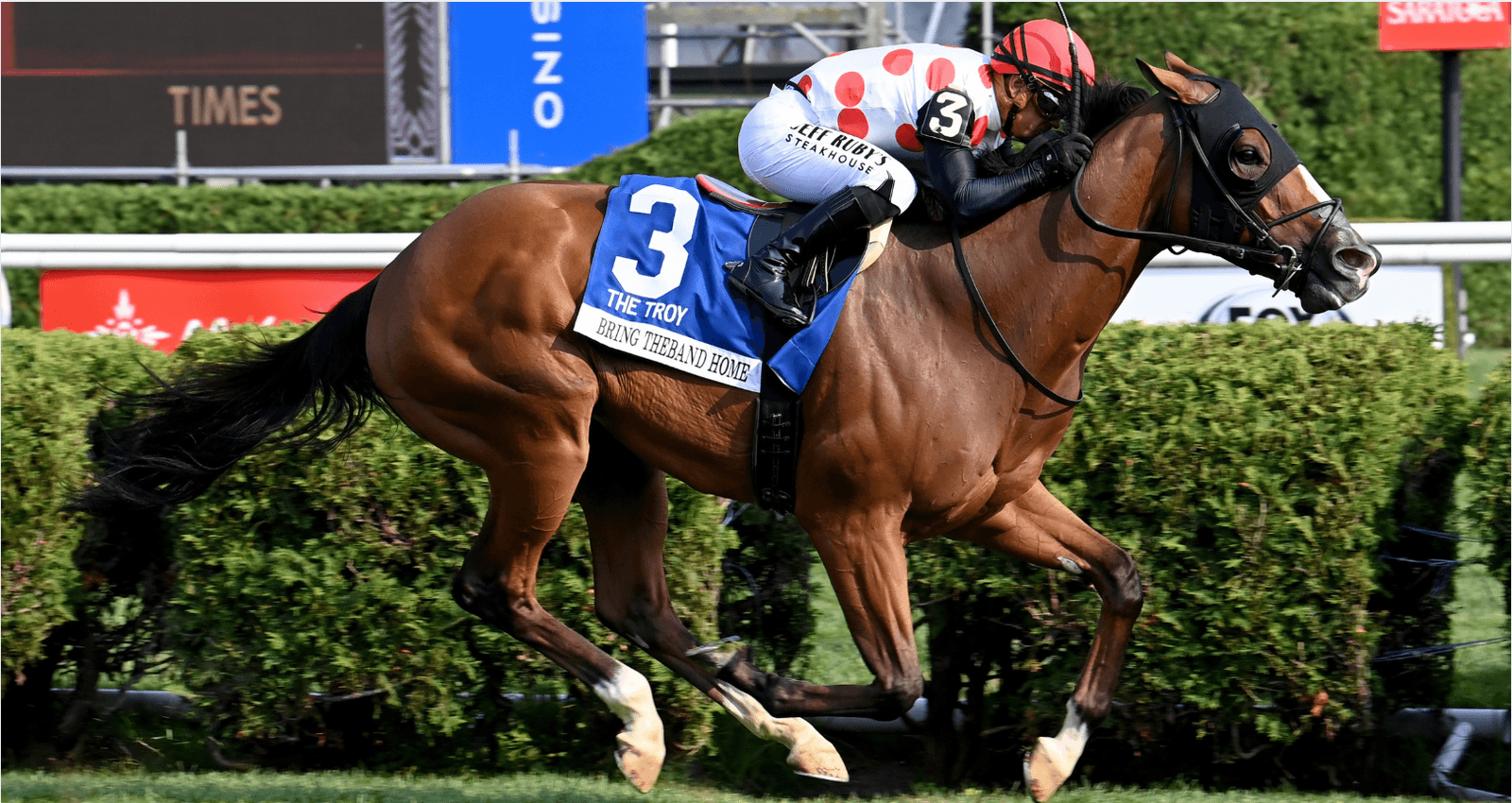
Velazquez Steps Down as Jockeys' Guild Co-Chair; Smith and Castellano Elected
Velazquez stepped down as co-chair of the Jockeys' Guild after more than 20 years; Mike Smith and Javier Castellano were elected to lead, marking a major shift in jockey leadership.
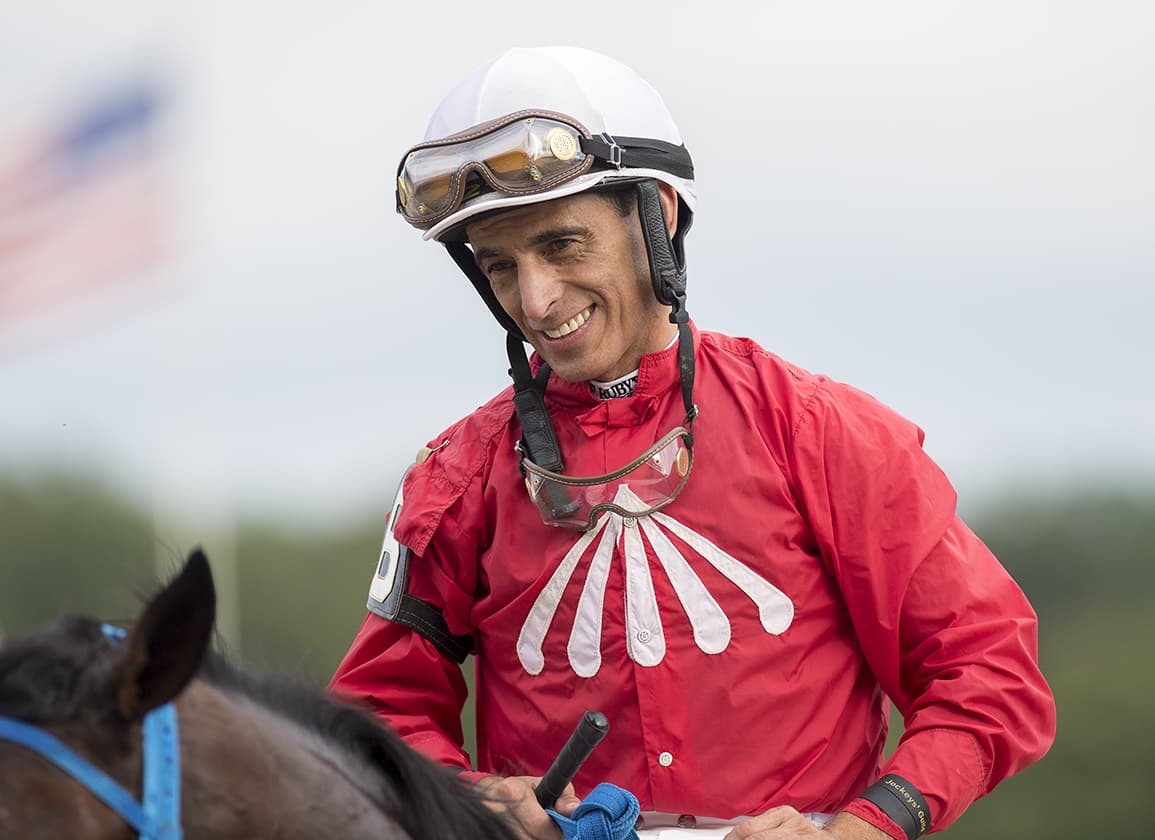
Hall-of-Fame jockey Johnny Velazquez announced on January 15, 2026 that he was stepping down from his long-time role as co-chair of the Jockeys' Guild after more than 20 years in the organization’s leadership. Velazquez will remain on the Guild’s board, and members elected Mike Smith and Javier Castellano as the new co-chairs. The Guild also named Joe Bravo, James Flores, and Julien Leparoux as co-vice chairs; Tyler Gaffalione as secretary; and Julien Leparoux as treasurer. The announcement thanked Velazquez for his leadership and credited his tenure with strides made for rider benefits and protections.
The change at the top is immediate and consequential for an industry where jockey welfare, insurance and safety protocols are perennial priorities. Velazquez’s two-decade presence in Guild leadership provided institutional continuity during periods of heightened attention to rider health and financial security. His decision to step aside as co-chair while remaining on the board preserves institutional memory even as the organization pivots to new public-facing leadership.
The elections place two high-profile riders in charge at a moment when the sport is balancing tradition with increasing scrutiny over safety, compensation and labor protections. Smith and Castellano take the reins of a membership body that negotiates with racetracks, regulators and insurers on issues ranging from post-race medical care to disability and pension structures. Their stewardship will be watched by owners, trainers and racing commissions because the Guild’s priorities have ripple effects on event operations, race-day liabilities and the business calculus of stable management.
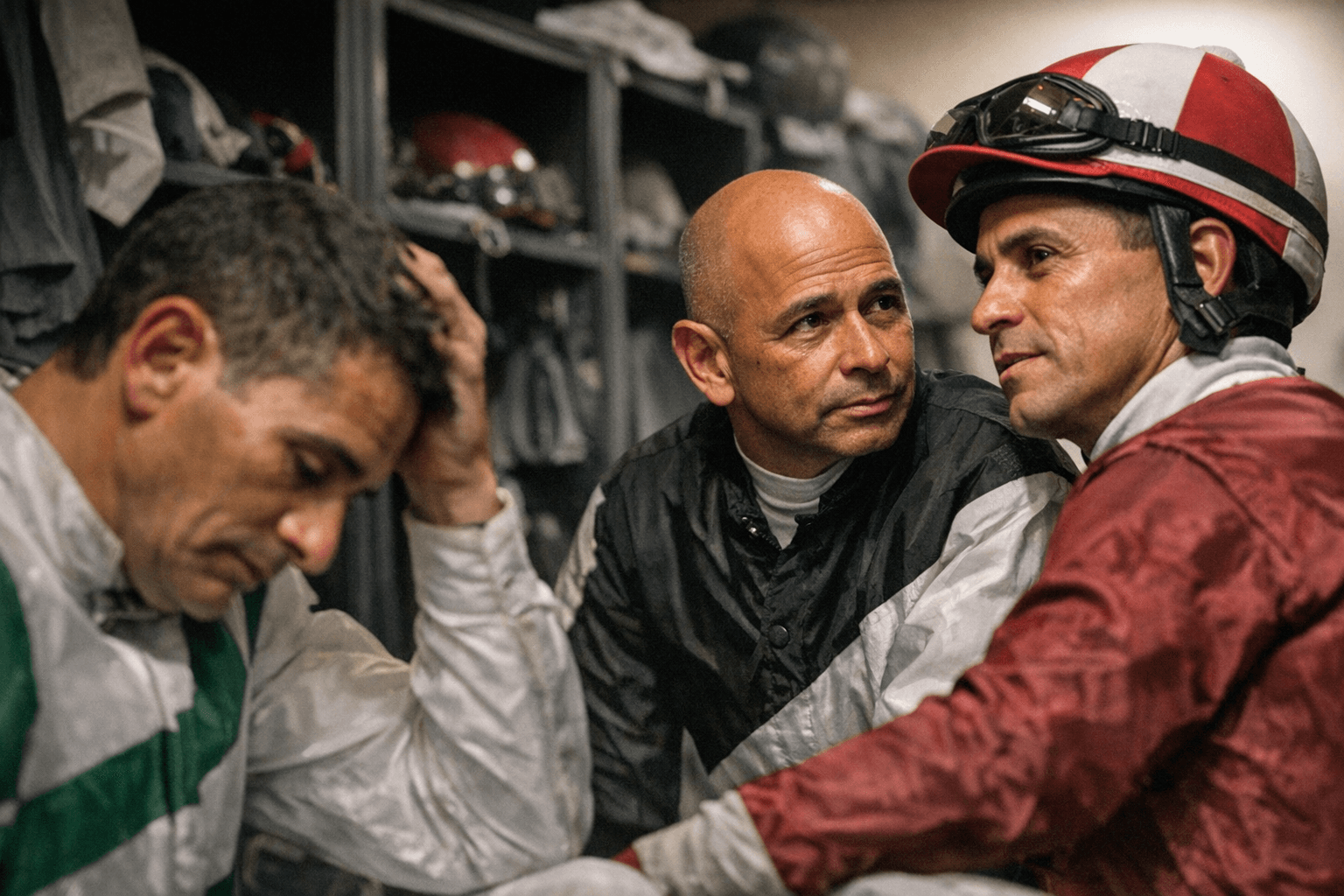
Beyond contracts and coverage, this leadership transition has cultural resonance within the jockroom and beyond. The Jockeys' Guild has long been the chief institutional voice for riders, shaping standards that affect young apprentices and veteran riders alike. New leaders will have to balance immediate demands for enhanced safety protocols with long-term initiatives such as career transition support and expanded health benefits. The incoming officers bring a mix of on-track experience and presence in high-profile racing circuits, which may help bridge the sometimes competing interests of local circuits and national stakeholders.
For racing fans and industry observers, the real test will be how quickly the new leadership translates intent into policy and results. Expect early moves around medical coverage, concussion management and rider compensation to signal the Guild’s priorities for the 2026 racing calendar. With Velazquez remaining on the board, the transition looks orderly, but the next chapter will define whether the Guild can accelerate recent gains and meet evolving expectations for rider safety and economic security.
This article was produced by Prism’s automated news system from verified source data, official records, and press releases, then run through automated quality and moderation checks before publishing. The system is built and supervised by the people who set the standards it runs under. Read our full AI policy.
Did this article answer your question?