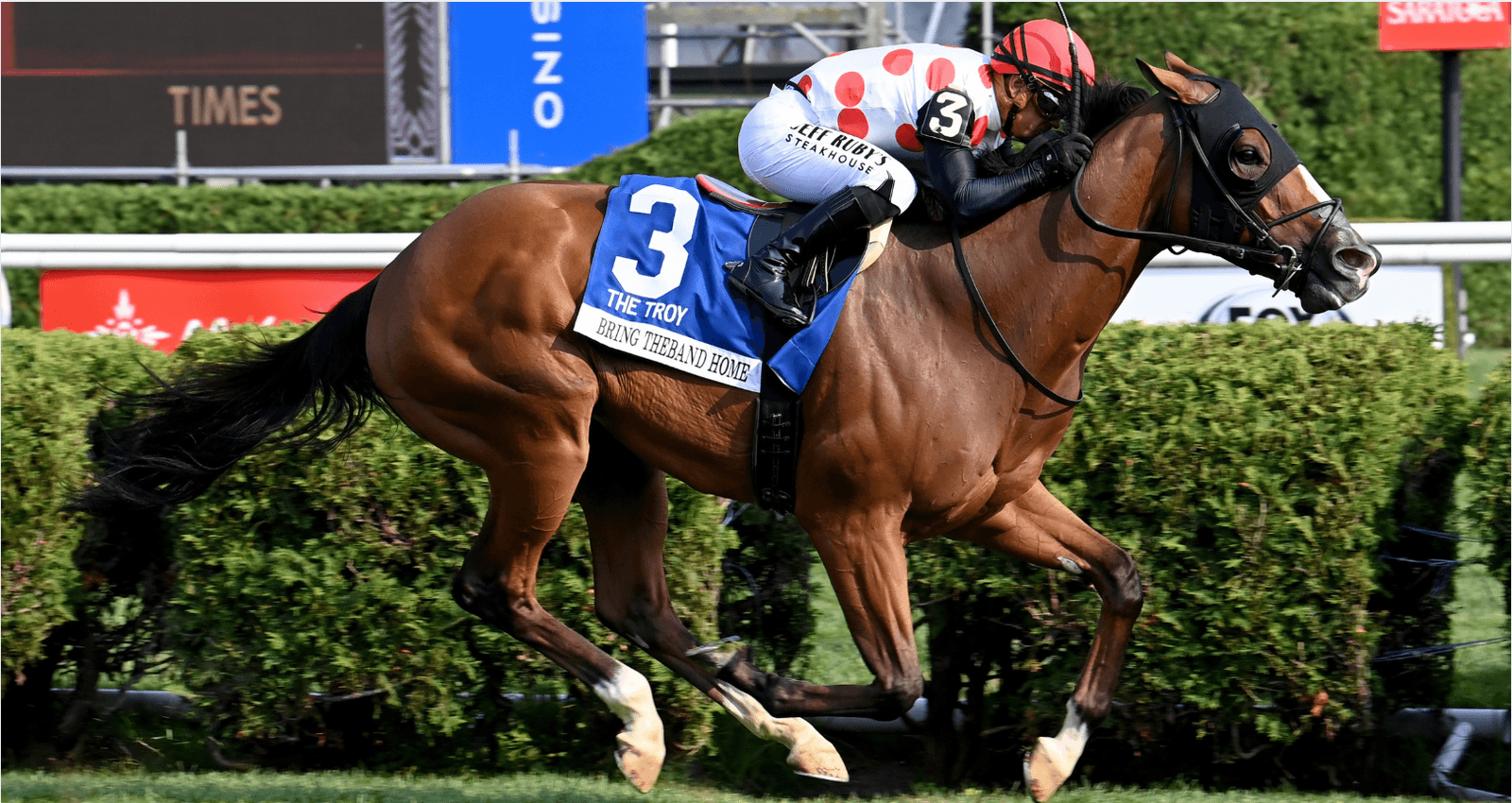
Will Rogers Downs spring meet surges with $20 million wagering boost
A Jan. 12 start helped Will Rogers Downs top $20 million in wagers, a 38% jump that points to calendar timing as a real handle driver.
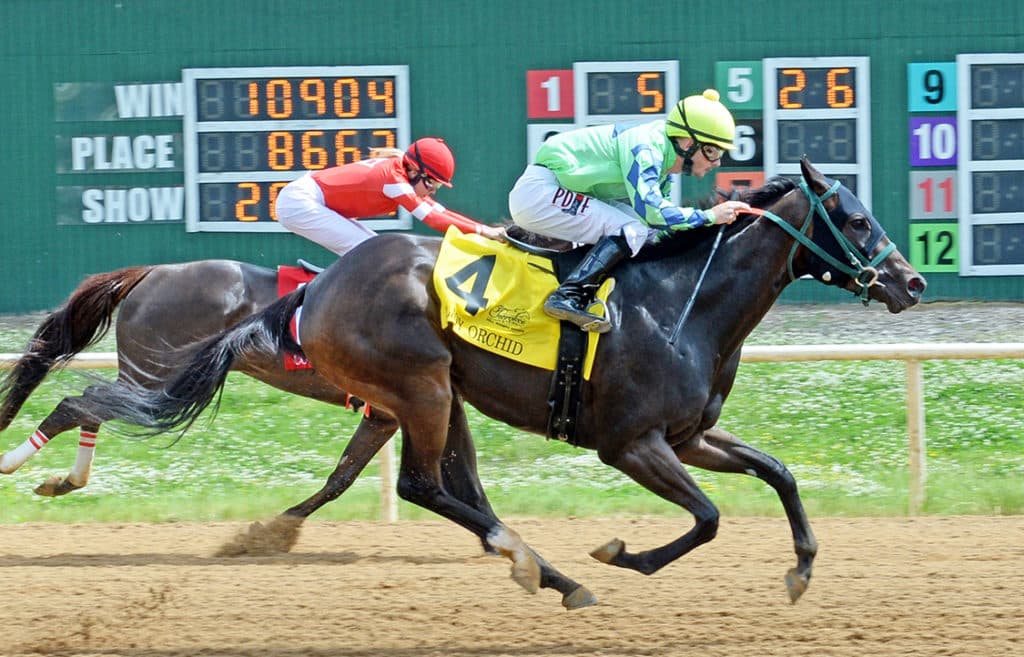
A nearly two-month head start turned Will Rogers Downs’ spring meet into a live test case for how much calendar timing can move handle. Cherokee Casino Will Rogers Downs wrapped its 28-day Thoroughbred season in Claremore, Oklahoma, with more than $20 million wagered, a 38 percent increase from the previous year, and the early opening emerged as the clearest reason the numbers climbed.
The meet began on Jan. 12, well ahead of last year’s March 3 start, and it was set to end on Kentucky Derby Day, May 2. That shift mattered because it let local horsemen keep racing without waiting for other circuits to reopen, while also drawing more outfits from outside the state. It also helped the track avoid the weather interruptions that can flatten a spring meet before it finds momentum. Even with extreme conditions forcing only three rescheduled racing days, Will Rogers Downs stayed on track long enough to build full cards and stronger wagering interest.
The comparison with 2025 shows how much the new timetable changed the business. Last year’s spring meet also ran 28 days, but it generated nearly $15 million in wagers. Officials said that season benefited from a larger average field size after new barns were built following the May 2024 tornado. In 2026, the track appeared to have both the structural recovery and the calendar alignment working together, with the early start helping horsemen stay in place and the fields holding up well enough to support better betting volume.
Will Rogers Downs also leaned on a meet structure built to attract attention from the start. The 2026 season featured seven stakes races, two special Saturday cards and guaranteed $50,000 purses for every stake. The Wilma Mankiller Stakes opened the meet, giving the spring session an immediate showcase race and a stakes schedule that kept the card count from feeling routine.
The numbers at the top of the standings reinforced that the meet was healthy beyond the handle. Classy Empire was named Horse of the Meet after winning all three of his starts in the 1-mile handicap division and earning $65,760. David Cabrera led the jockey standings with 57 wins, and Scott Young topped the trainer standings with 31 victories. Even the closing weekend carried a Derby Day atmosphere, with racegoers watching the Kentucky Derby and joining a hat contest, a reminder that the meet’s best business decision was also its simplest: put the racing calendar where the horse population actually was.
This article was produced by Prism’s automated news system from verified source data, official records, and press releases, then run through automated quality and moderation checks before publishing. The system is built and supervised by the people who set the standards it runs under. Read our full AI policy.
Did this article answer your question?