Britt Hertz pits elite athletes against tiny parkour powerhouse
Britt Hertz’s July 13 clip put elite athletes against the world's smallest parkour competitor, and the size gap became the whole gamble. The challenge fit a series that has already pulled about 622,000 views.

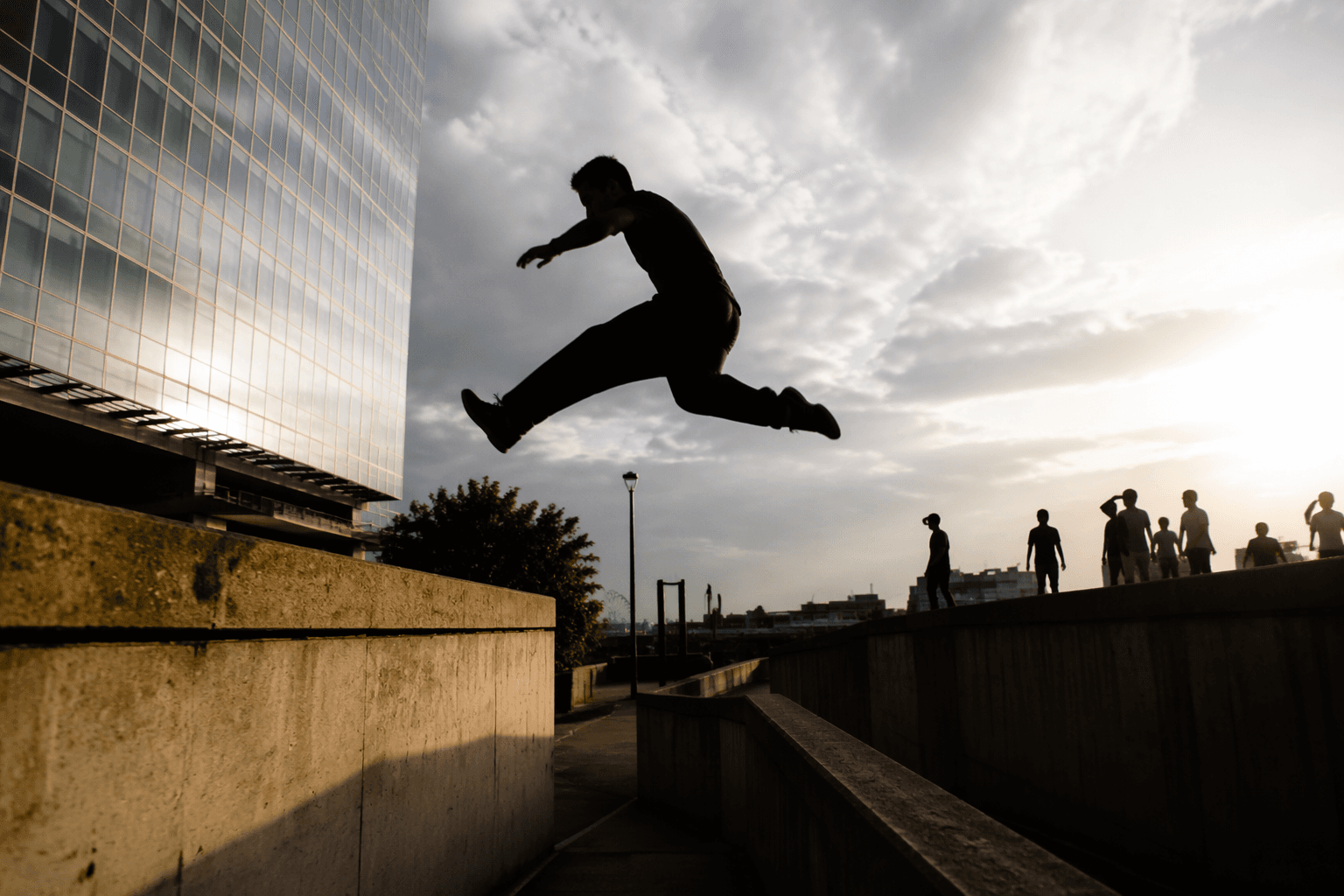
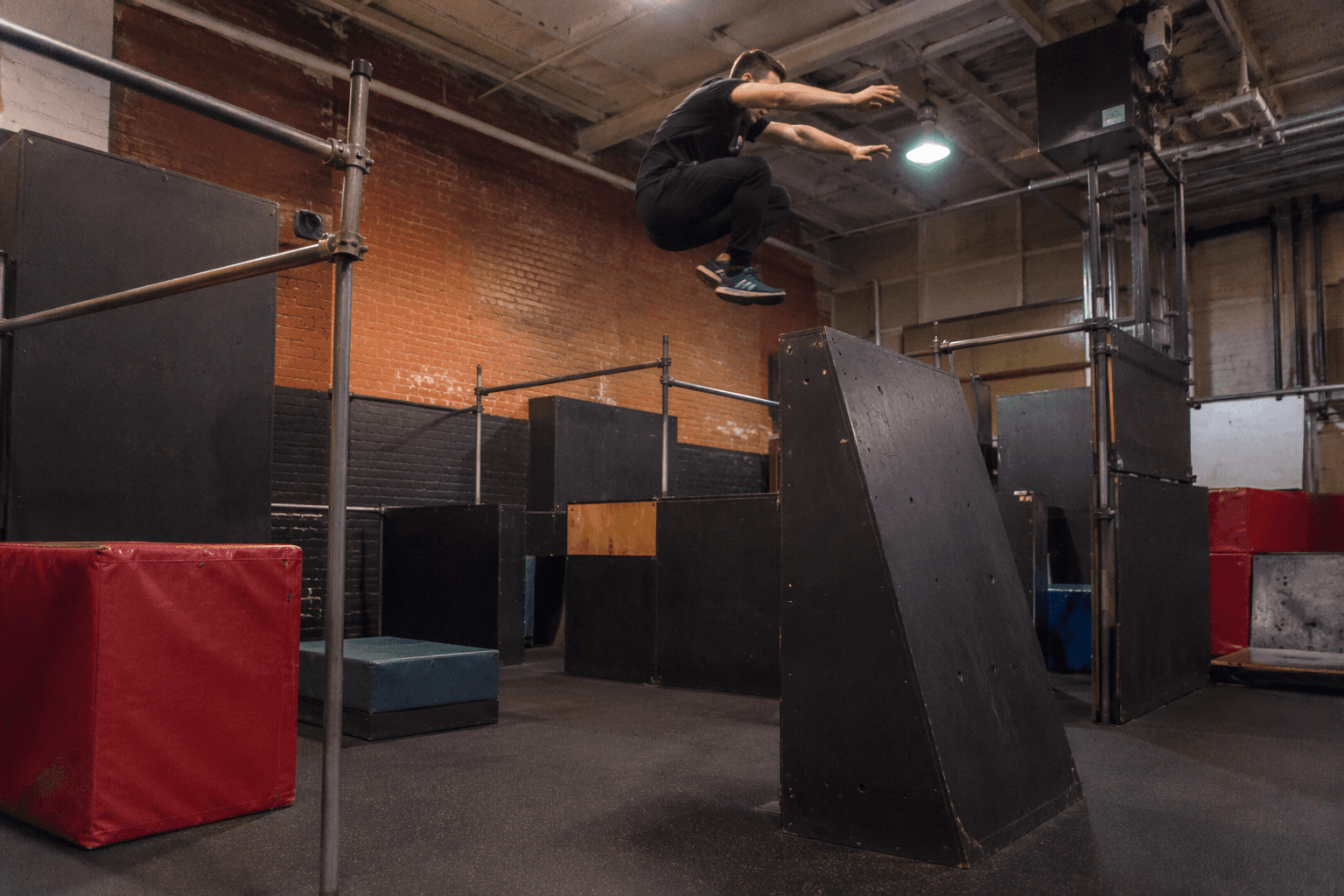
Britt Hertz made the size mismatch the main event in a July 13 parkour clip, sending elite athletes into a series of daring physical challenges against what the listing called the world’s smallest parkour competitor. The setup was blunt and visual: one side brought reach and experience, the other brought the compact build and technical sharpness of a parkour prodigy built for pressure.
That is what gave the stunt its bite. Parkour punishes hesitation, and the clip turned balance, timing and confidence into the real scoring system. Every landing had to look clean, every transition had to hold, and the smaller competitor forced larger athletes to solve the course on movement terms instead of body-size terms.
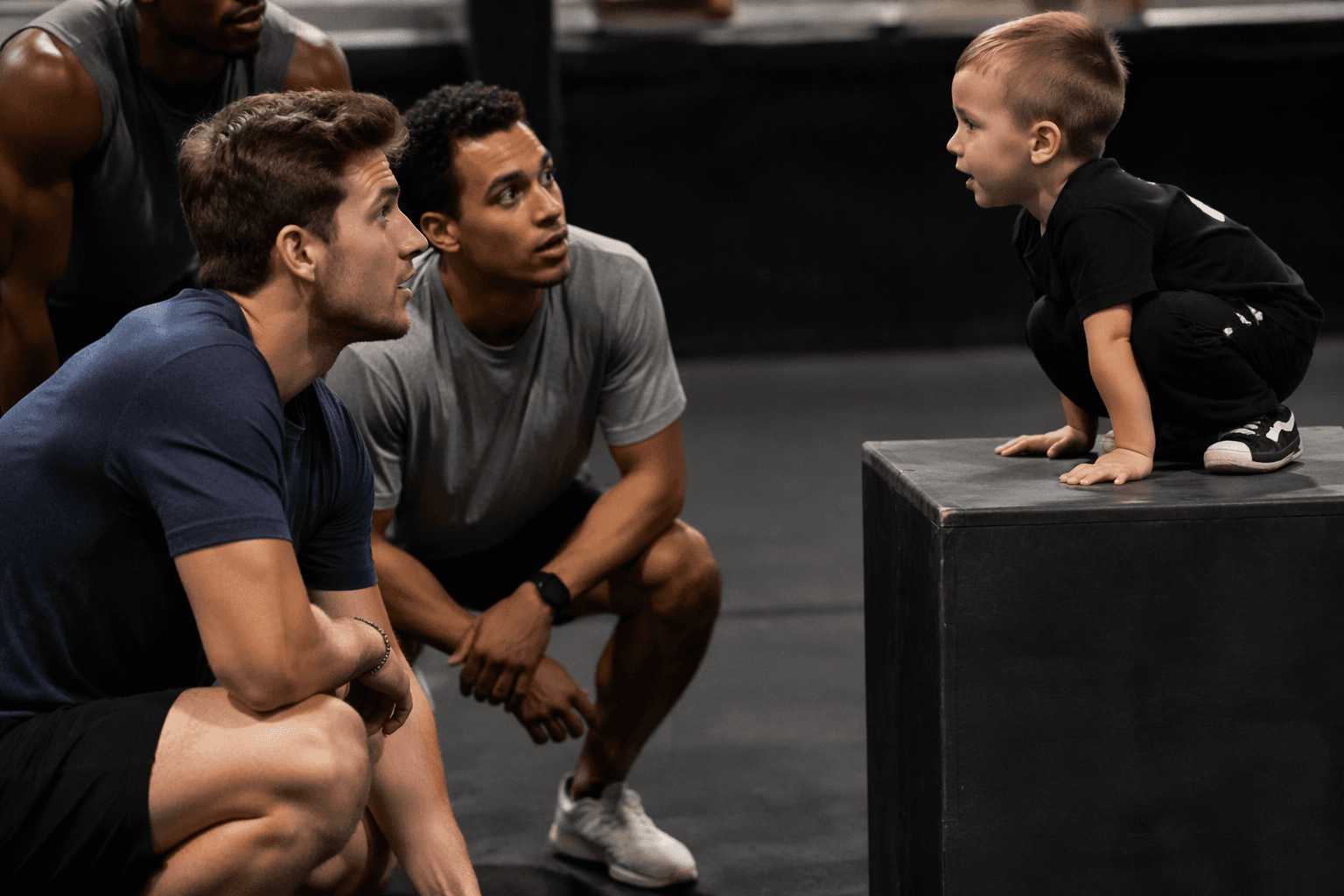
Hertz has already built a repeatable lane around that kind of matchup. Her YouTube channel is branded around challenges, pranks and couples content, and parkour and gymnastics trials keep resurfacing in the video feed. A 2024 upload titled I Challenged the World’s Smallest Parkour Athlete! had drawn roughly 622,000 views, showing that the premise had already proven durable with her audience. Another parkour trial paired Hertz with Corbin Reinhardt, a professional parkour athlete, freerunner and stunt performer based in Los Angeles and linked to Tempest Freerunning.
Reinhardt’s presence also underlined the reality behind the spectacle. A later podcast description said a 2018 accident left him with a traumatic brain injury, a reminder that these polished clips sit on top of years of hard training, impact and recovery. The entertainment works because the athletes are not pretending the risks are fake.
The wider sport gives the format even more context. Parkour traces back to France in the late 1980s and 1990s, with David Belle widely credited as its father and Sébastien Foucan helping spread freerunning internationally and into Britain. The Fédération Internationale de Gymnastique now tries to judge that movement with more clarity, saying its Parkour Code of Points provides an objective way to evaluate competitions and standardize judging for Speed and Freestyle. The 2025-2028 code took effect on January 1, 2025, and Hertz’s clip sat squarely in that tension between viral stunt and legitimate athletic test.
This article was produced by Prism’s automated news system from verified source data, official records, and press releases, then run through automated quality and moderation checks before publishing. The system is built and supervised by the people who set the standards it runs under. Read our full AI policy.
Did this article answer your question?