FIG blueprint shows how parkour is structured for young athletes
FIG’s youth blueprint turns parkour into three tracks, Speed, Skill and Freestyle, and that reshapes how the next generation trains for judging and World Cups.
FIG’s 2021 age-group manual splits parkour into Speed, Skill and Freestyle, turning raw movement into a coached path from youth training to world-class judging. FIG made parkour its eighth discipline in 2018, then kept tightening the structure with a new Code of Points and World Cup rules.
Parkour’s formal ladder starts with age-group development
The document at the center of that shift is titled “AGE GROUP DEVELOPMENT and COMPETITION PROGRAM for Parkour (Speed – Skill – Freestyle),” and it is a first-edition 2021 FIG education resource. It shows how a sport born in community practice gets translated into something federations can teach, score and grow across age levels.
FIG places parkour in the same development architecture it uses for women’s artistic gymnastics and men’s artistic gymnastics. Athletes learn landing mechanics, vaulting, precision, route choice and obstacle management before they ever reach major competitions.
A young athlete in parkour can still be expressive and inventive, but progression has to be organized. Athletes move from basic control to more complex physical tasks and performance expectations, which gives clubs and coaches a framework for development instead of improvisation.
Why Speed, Skill and Freestyle reward different athletes
The three-part structure changes how performances are evaluated and, just as important, what kind of athlete is favored. Speed rewards efficiency and clean lines through a course. Skill puts the spotlight on technical obstacle execution. Freestyle opens the door to composition, creativity and the ability to connect movement into a performance that reads as more than a series of tricks.
Parkour is often mistaken for one continuous style of urban movement. FIG’s format separates the sport into three competitive expressions, and each one asks for a different balance of power, precision and decision-making. A fast runner with good lines may shine in Speed, while a technically sharp mover with calm control can look stronger in Skill. Freestyle, meanwhile, favors athletes who can combine difficulty with variety and present it with rhythm.
For young athletes, training is no longer just about “doing flips.” The blueprint rewards efficient route choice, strong landings, quick problem-solving and the ability to repeat quality under pressure. At meets, the best athlete is not always the flashiest one, but the one whose movement matches the demands of the category.
The rulebook has moved from concept to codified sport
The age-group manual sits inside a much more formal competitive system than parkour had a few years ago. FIG’s 2022-2024 Parkour Code of Points was approved by the FIG Executive Committee in May 2023 and entered into force on 1 January 2024. FIG has also published Parkour World Cup rules for 2025-2028, which gives the sport recurring international structure, not just one-off showcases.
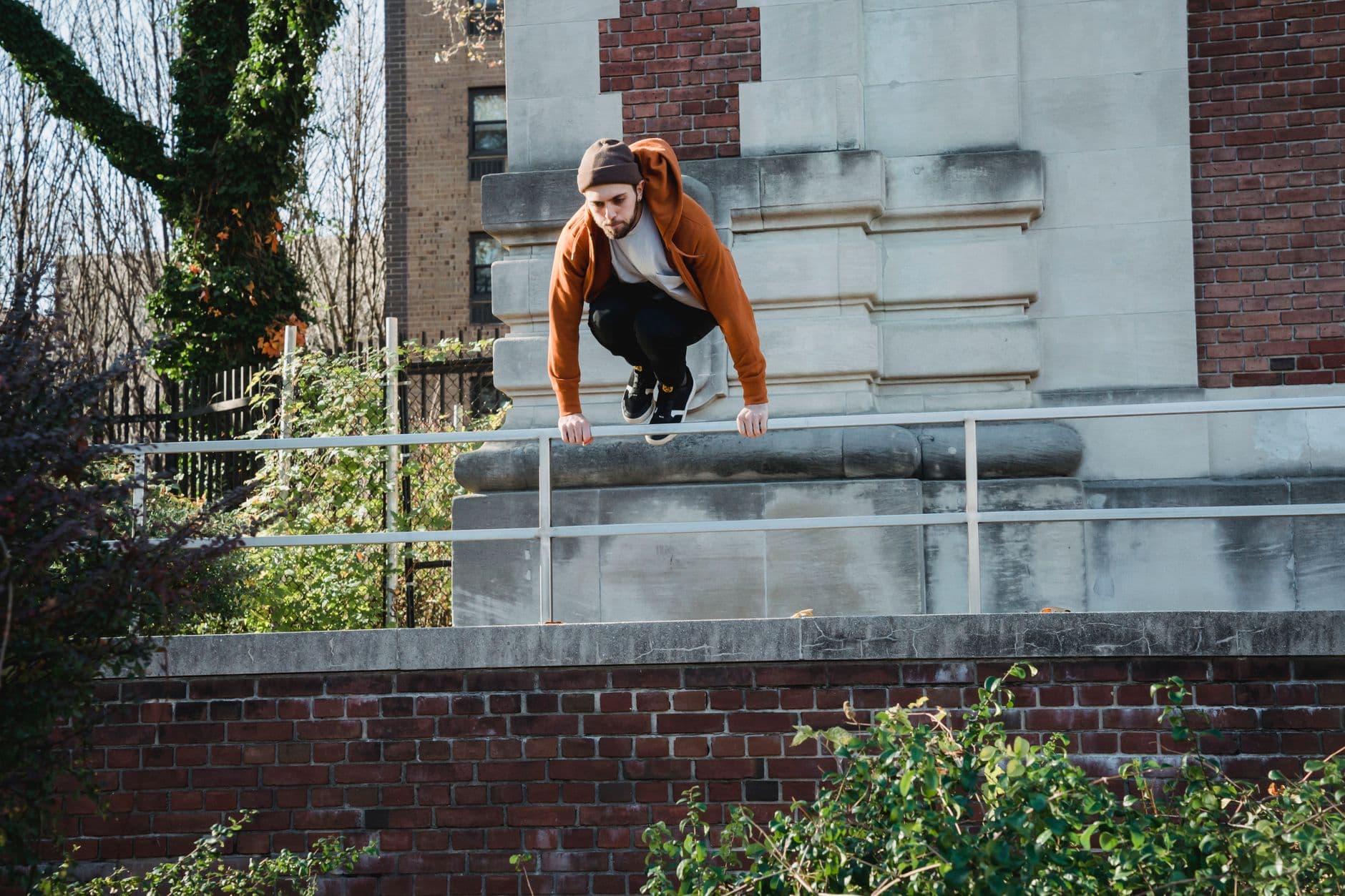
Rulebooks shape training habits. Once a code of points is in place, athletes and coaches begin to prepare for what judges reward and what separates a clean performance from a costly one. The more detailed the rule structure becomes, the more the sport shifts from open-ended movement culture toward repeatable competition standards.
FIG references the first FIG Parkour World Cup in Japan and judges’ training ahead of World Cup kick-off. The sport is moving from institutional setup into live event operations, where judging, event management and athlete preparation all have to sync.
What this blueprint means for the next generation
The age-group model gives parkour a path for growth without flattening what makes it exciting. Young athletes can still come from the culture of exploration that made parkour distinct, but they now enter a system that separates development from elite display. That is a major advantage for national programs and clubs trying to build reliable talent streams.
It also favors a more complete athlete. The blueprint rewards the competitor who can combine speed, control and creativity while staying stable enough to be scored across different formats. That is likely to shape the next wave of parkour training, especially as federations build youth events that mirror the Speed, Skill and Freestyle framework.
This article was produced by Prism’s automated news system from verified source data, official records, and press releases, then run through automated quality and moderation checks before publishing. The system is built and supervised by the people who set the standards it runs under. Read our full AI policy.
Did this article answer your question?