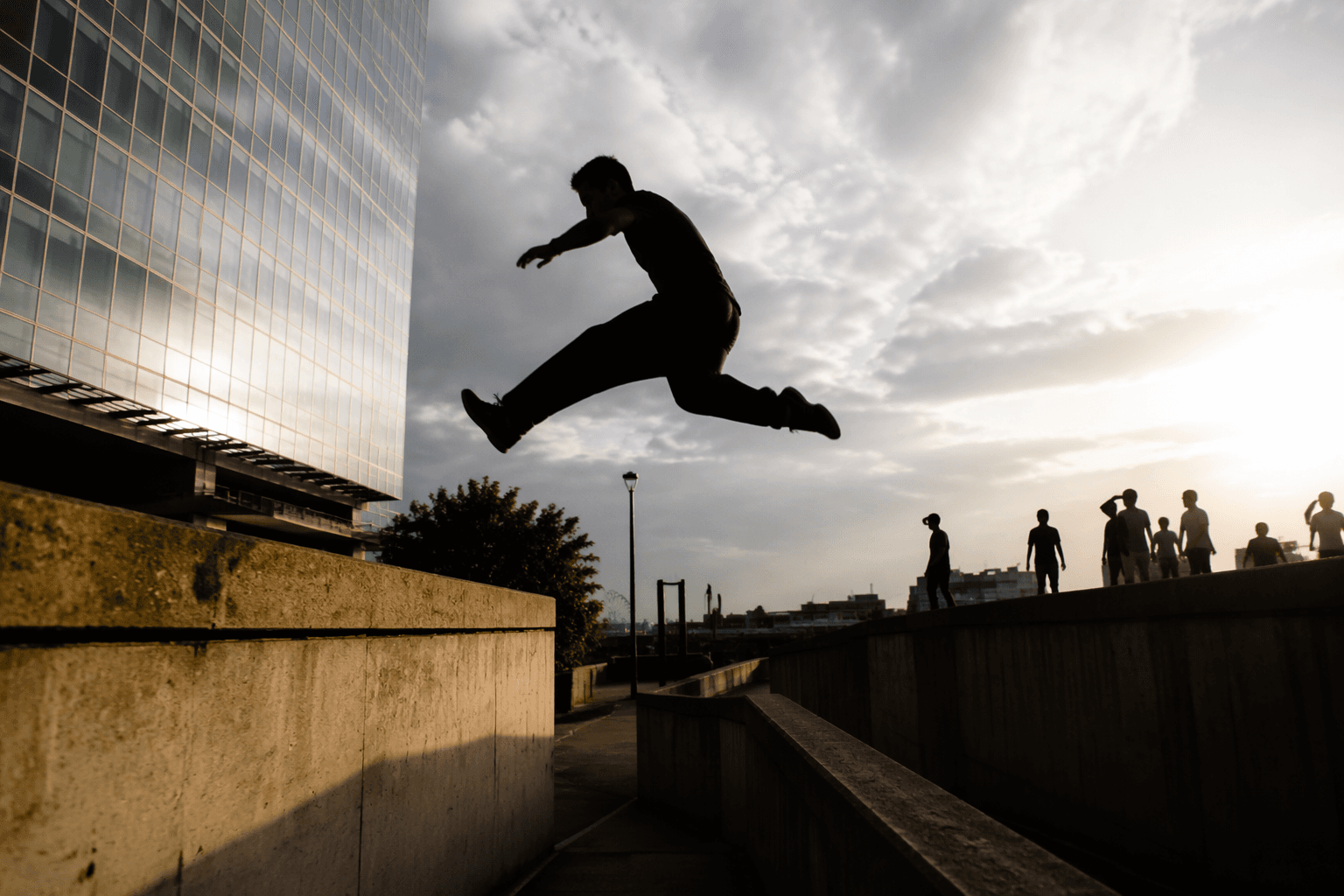
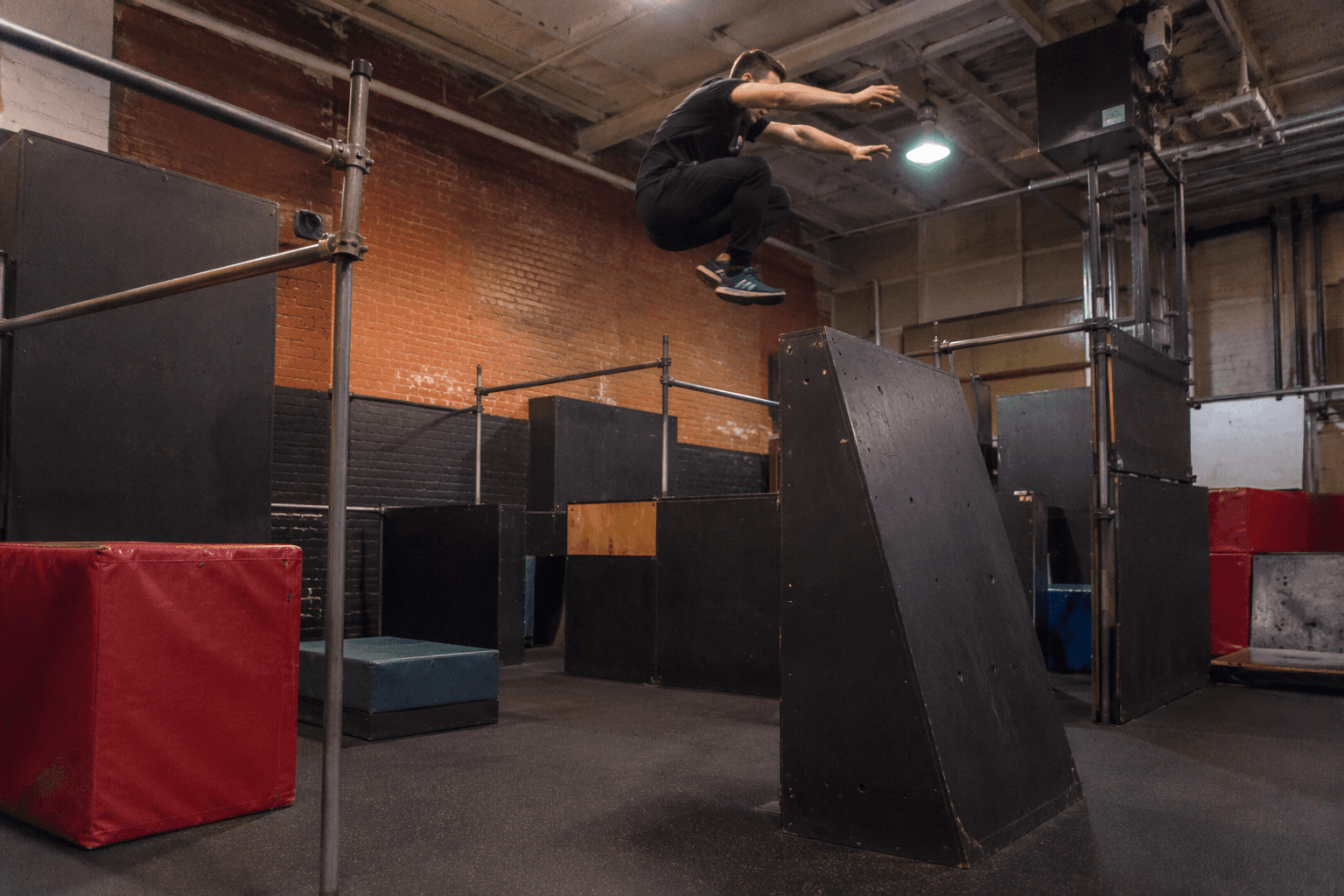
Parkour can boost youth team sports skills, study finds
Parkour is moving from spectacle to training tool, with studies linking it to better balance, landing control and spatial awareness in youth team sports. Basketball is the clearest test case so far.
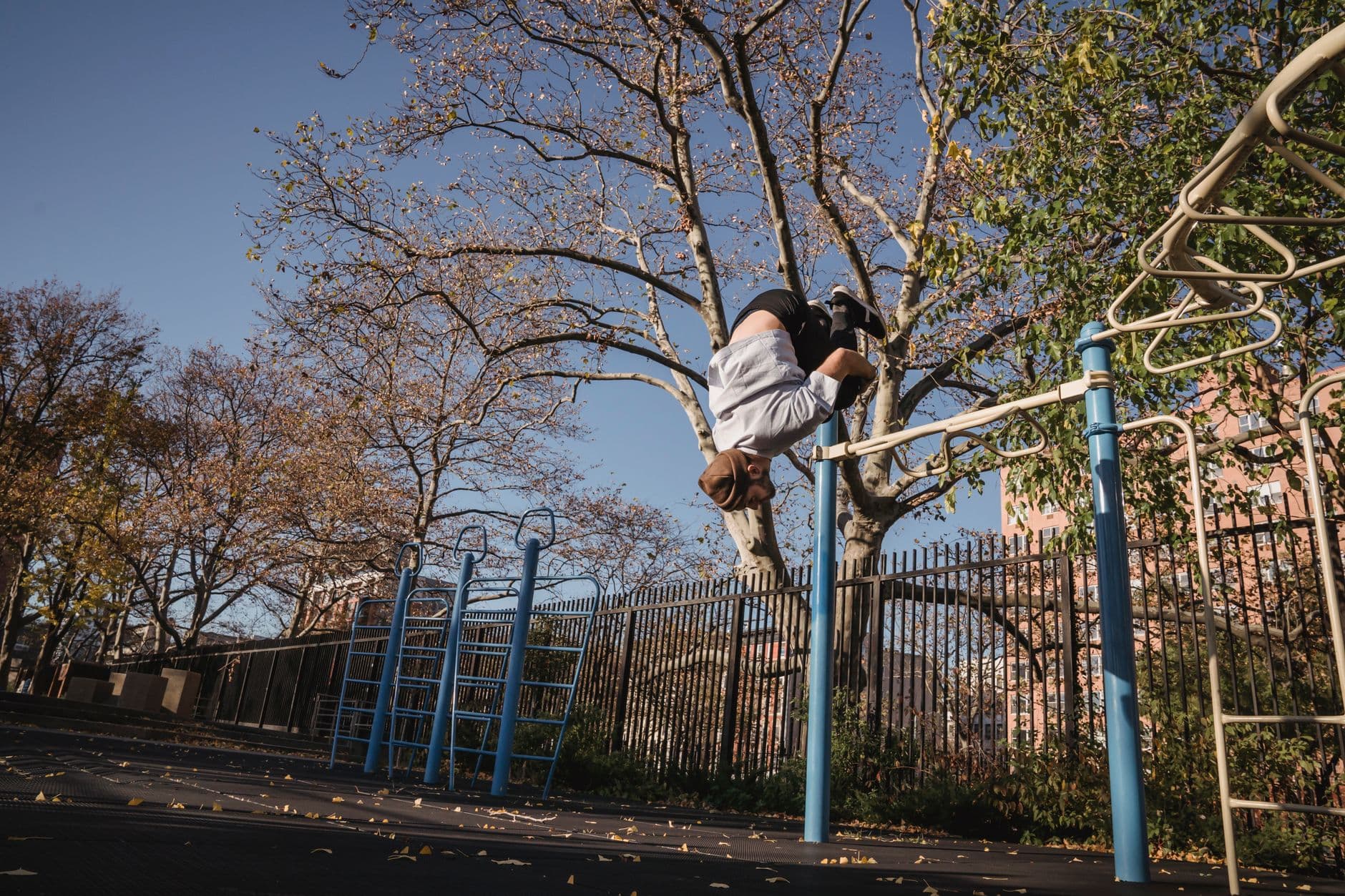
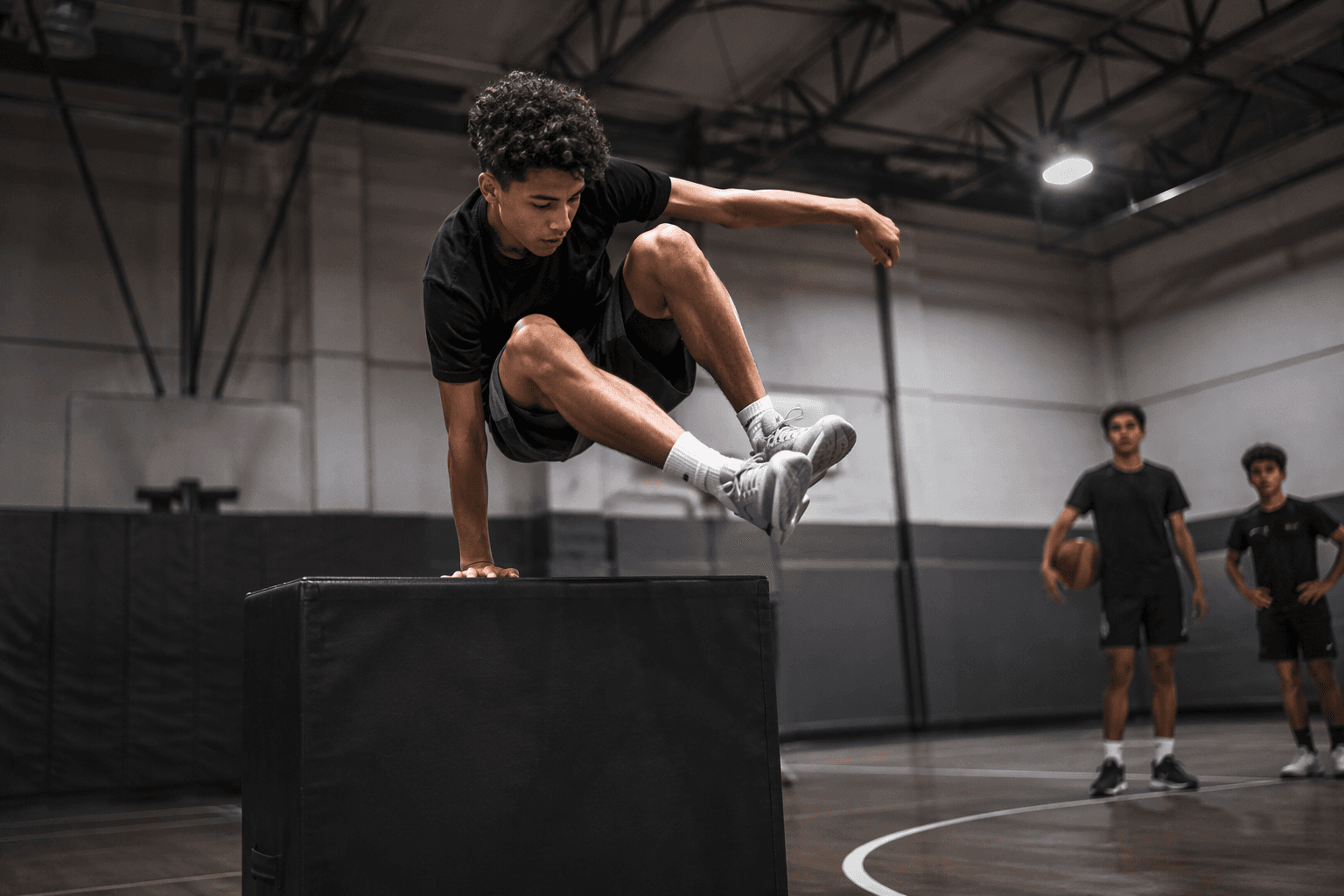
A pre-adolescent basketball player plants a hand on a padded wall, drives through a tic-tac, then drops into a controlled landing on both feet. It looks like a parkour move, but the value for the court is obvious: the athlete is learning to read space, absorb force, and stay composed when the body has to solve a problem fast. Parkour is increasingly treated as a donor sport for youth team sports, not just a standalone discipline.
Why parkour transfers so cleanly
The key idea comes from ecological dynamics, where movement is shaped by the environment rather than repeated as a fixed script. In parkour, athletes constantly perceive affordances, the action possibilities offered by a wall, gap, rail, or landing zone, then adapt in real time to what is in front of them. That process trains perception-action coupling, which is exactly what young athletes need when a basketball defender closes out, a soccer pass arrives late, or a rugby line breaks unexpectedly.
For parents and coaches, the practical attraction is not the spectacle of a vault or a wall run. It is the fact that parkour repeatedly asks a child to judge distance, control speed, choose a landing, and recover balance under pressure. Those are the same ingredients behind clean deceleration, safer contact with the ground, and better decision-making in basketball, soccer, handball, and rugby.
The research moved from theory into the gym
The central paper in this conversation is the 2018 study titled "Parkour as a Donor Sport for Athletic Development in Youth Team Sports: Insights Through an Ecological Dynamics Lens." It reframed parkour as a practical movement environment for developing the qualities young team-sport athletes actually use, rather than as a stunt-based novelty.
A stronger applied bridge arrived with the 2021 Frontiers in Physiology paper, "Parkour-Based Activities in the Athletic Development of Youth Basketball Players." It appeared in volume 12 as article 771368, with DOI 10.3389/fphys.2021.771368, and it was received on 6 September 2021, accepted on 24 September 2021, and published online on 15 October 2021.
The follow-up studies sharpened the picture further. A 2023 PLOS One paper, "Beyond athletic development: The effects of parkour-based versus conventional neuromuscular exercises in pre-adolescent basketball players," compared parkour-based drills with standard neuromuscular work. Another recent study, "A comparison of maximal acceleration between the 'tic-tac' parkour action, drop jump and lay-up shot in youth basketball players: A preliminary study towards the donor sport concept," tested the tic-tac against familiar basketball and plyometric tasks.
What skills actually carry over
The transfer is strongest when the parkour task forces the athlete to solve a movement problem, not just repeat a pattern. A young basketball player who learns to land quietly after a drop jump or a tic-tac is practicing the same force absorption needed after a rebound, a contest at the rim, or a sudden stop in transition. A soccer or handball player gains from the same rhythm change, because parkour rewards quick reading of space and a stable body when direction changes.
The most transferable qualities are concrete:
- Balance under asymmetrical loads, especially when one foot lands before the other
- Spatial awareness, including distance judgment and route choice
- Landing mechanics, with softer knee and hip flexion on impact
- Deceleration and re-acceleration after a jump or step
- Confidence in unfamiliar movement tasks, which helps reduce hesitation in game situations
A 2022 review in Movement & Sport Sciences focused on training habits and lower limb injury prevention in parkour.
The field is no longer talking only about concepts
Coach-perception work by Ben Strafford, Keith Davids, Jamie North and Joseph Stone explored parkour-style training for athlete learning and development in team sports. Ben William Strafford’s Sheffield Hallam University thesis, "Parkour as a donor sport for athlete development in team sports," carried that idea into doctoral work, while Mark David Williams’s University of Essex thesis, submitted in October 2024, focused on using parkour to develop fundamental movement skills in youth basketball players.
Parkour now sits inside formal sports structures at World Gymnastics and the Federation Internationale de Gymnastique, and Britannica classifies it as both a sport and a physical discipline.
Why the sport’s roots matter to its future
Parkour began in France in the 1990s, especially in Lisses and Évry, with David Belle as a founder. The discipline was built around efficiency, adaptability, and problem-solving in real environments, not around pre-set routines.
This article was produced by Prism’s automated news system from verified source data, official records, and press releases, then run through automated quality and moderation checks before publishing. The system is built and supervised by the people who set the standards it runs under. Read our full AI policy.
Did this article answer your question?