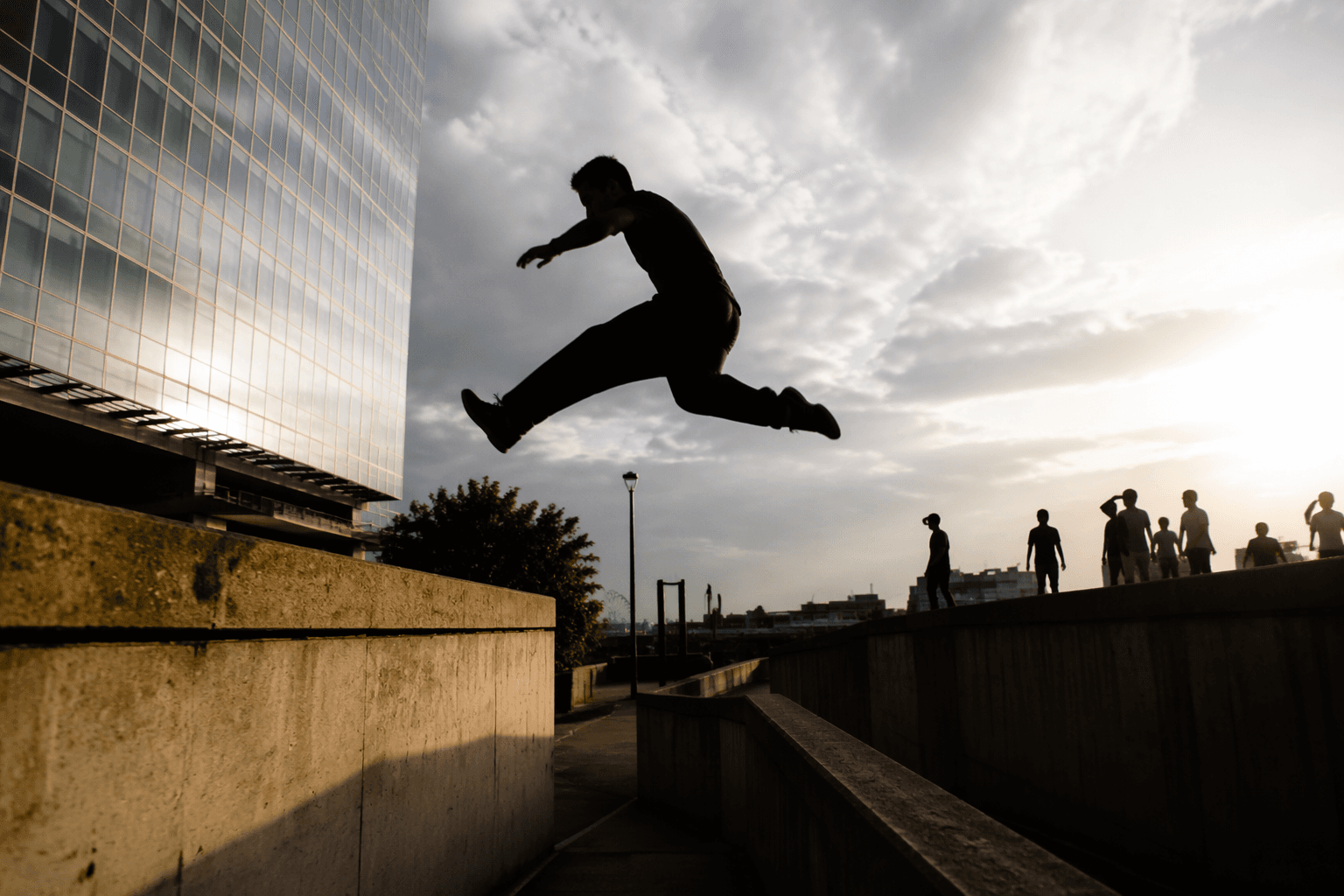
Parkour champion Mohammadreza Entezami killed in Tehran protests
Mohammadreza Entezami, a 29-year-old parkour champion and theater artist, was shot dead in Tehran’s Haft-Hoz district, leaving Iran’s traceur scene in mourning.

Mohammadreza Entezami, a 29-year-old champion parkour athlete and theater artist, was shot dead in Tehran’s Haft-Hoz district of Narmak on Jan. 8. Rights-monitoring accounts said Iranian government forces killed him during public protests, and his death was later documented in protest archives and widely shared across social media.
Entezami was known in Tehran’s parkour circles as more than a competitor. Online tributes described him as a champion athlete, a parkour coach and a theater actor, and one account identified him as living in Tehran. That mix of sport and stage made his killing resonate far beyond a single local loss, because the same hands that trained movement and performance were also the hands lost to the streets.
Hengaw Organization for Human Rights later listed Entezami among five people killed by direct gunfire from Iranian forces in the Tehran protests. The other victims named were Hamid Arzanlou, Vahid Arzanlou, Milad Gholami and Ali Sadeghi. Hengaw said those names were identified on Jan. 18, underscoring how the death toll continued to be assembled after the violence itself.
The killing landed inside a broader wave of protest bloodshed that rights groups said began on Dec. 28, 2025. Amnesty International and Human Rights Watch said security forces, including the Islamic Revolutionary Guard Corps and police, used unlawful force and firearms and carried out mass arbitrary arrests as the crackdown widened across the country.
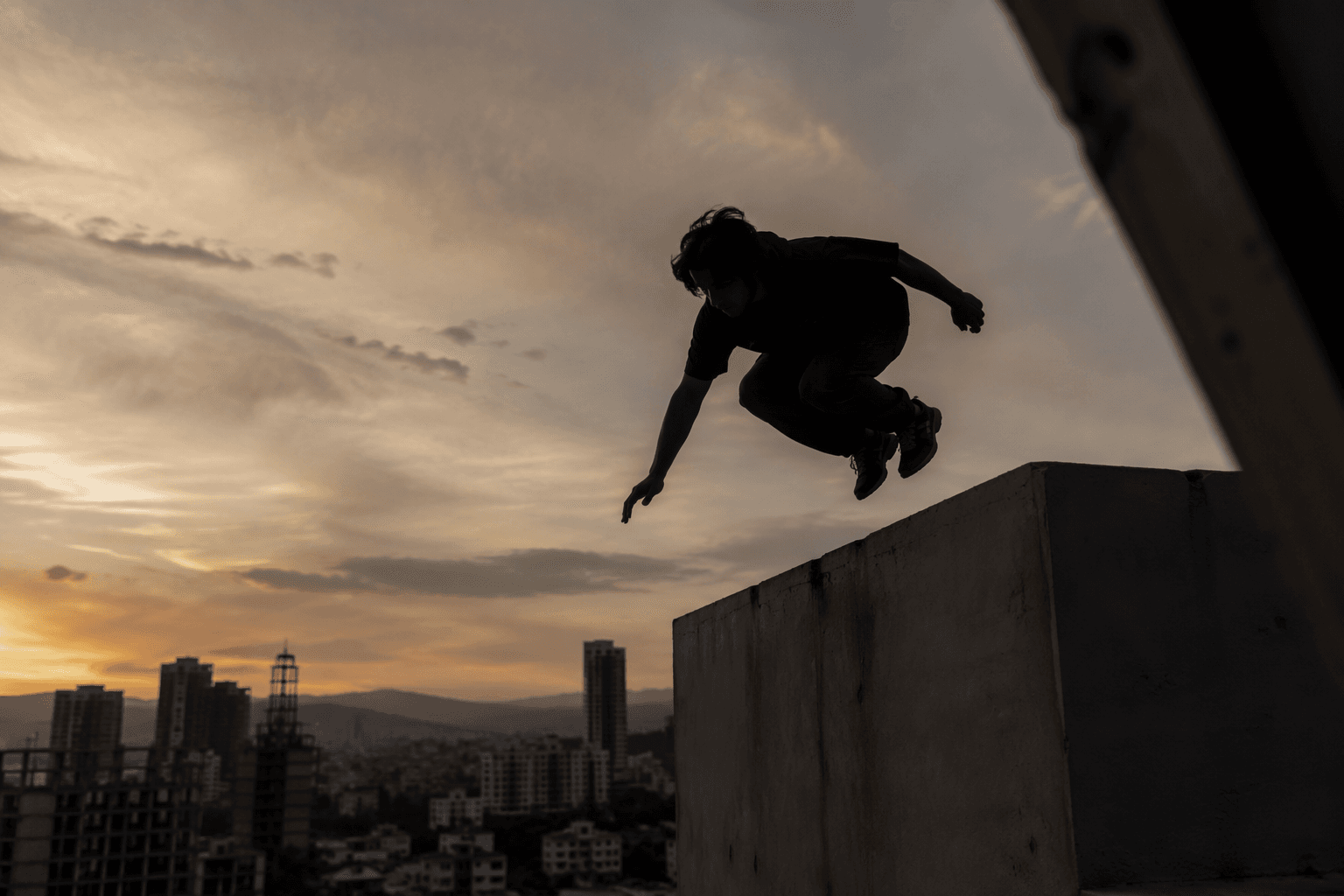
For Tehran’s traceur scene, Entezami’s death is a direct blow to a sport built on speed, precision and control. Parkour athletes often train in public spaces where movement is the point and exposure is unavoidable, and Entezami’s profile as both athlete and coach made him part of the city’s active training culture, not just a solitary performer. His memorialization in protest-documentation archives shows how quickly an athlete’s identity can become part of a wider record of state violence, and how the global parkour community now carries his name alongside the others lost in Tehran.
This article was produced by Prism’s automated news system from verified source data, official records, and press releases, then run through automated quality and moderation checks before publishing. The system is built and supervised by the people who set the standards it runs under. Read our full AI policy.
Did this article answer your question?