Parkour glossary explains traceurs, Speed and Freestyle judging rules
Knowing traceur, Speed and Freestyle turns parkour from a blur into a score sheet, where landing quality and control deductions decide medals.
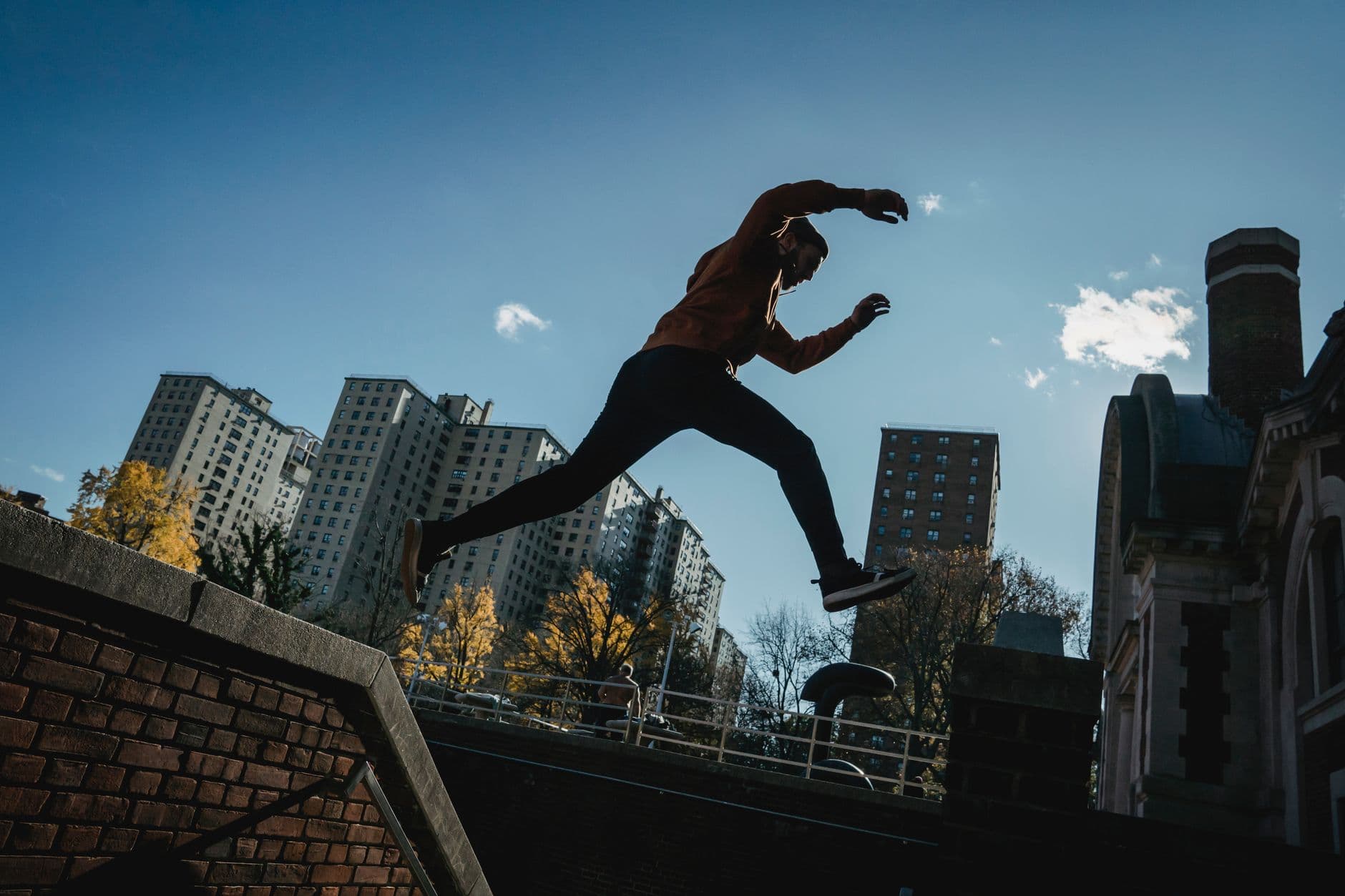
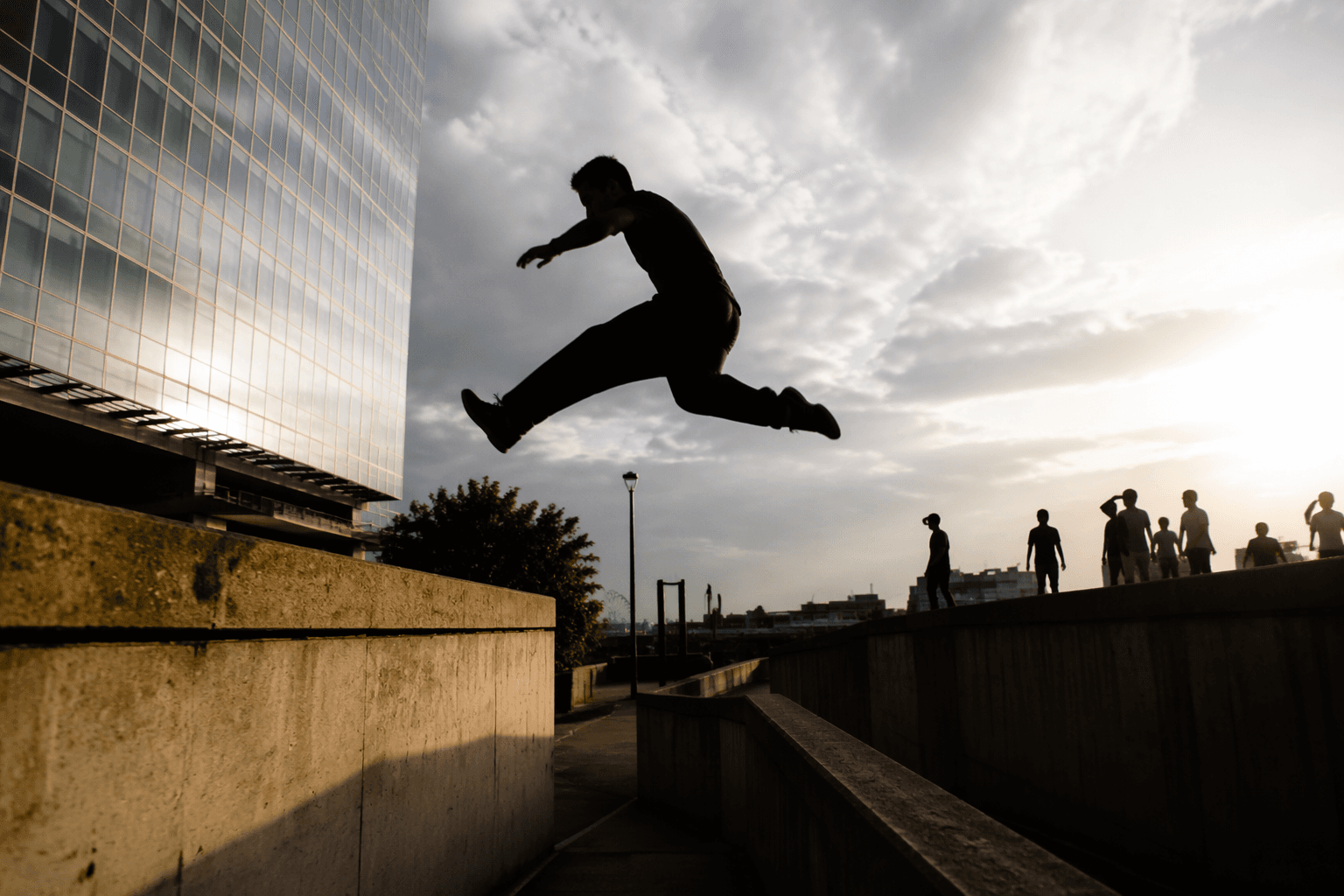
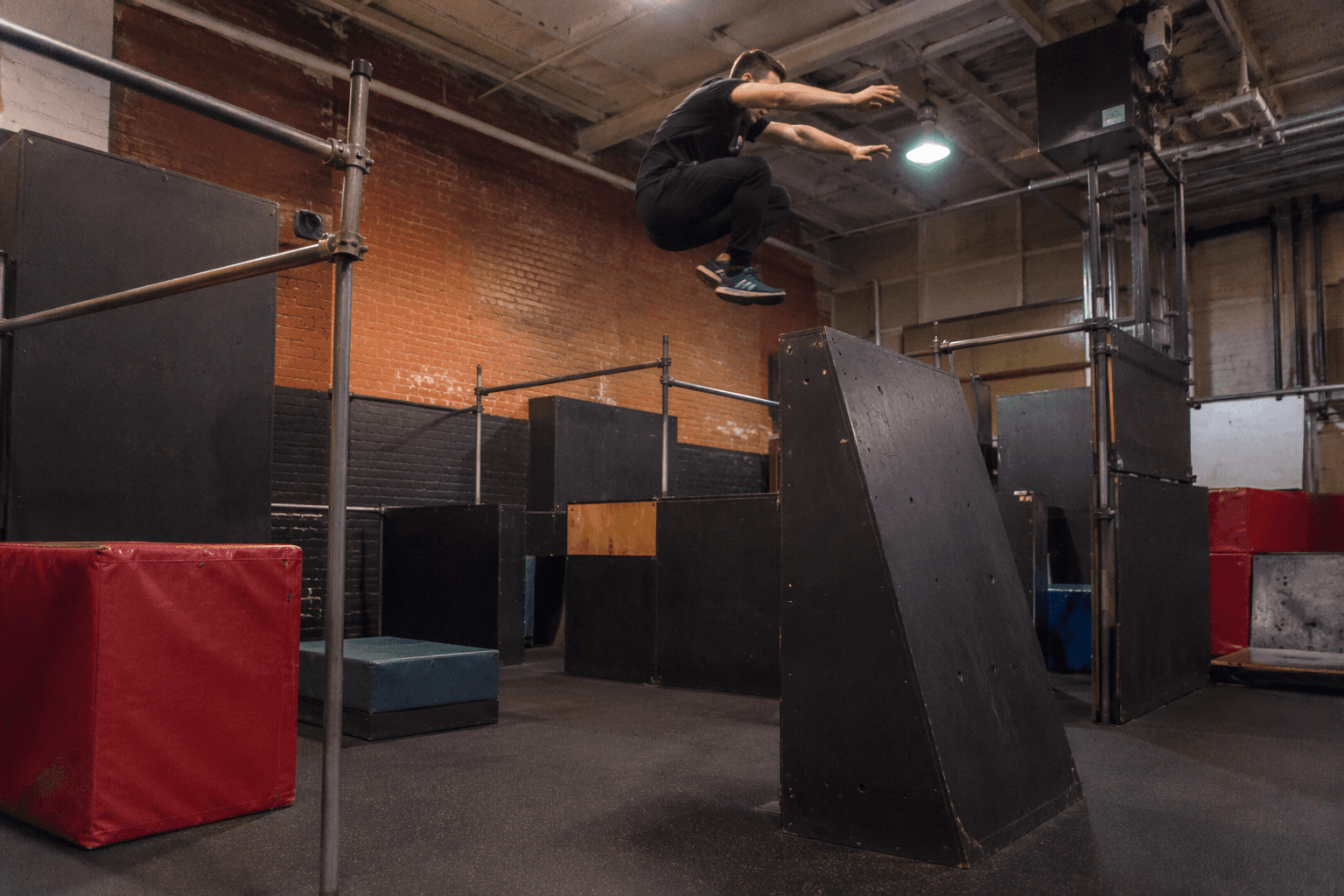
The fastest parkour run is not always the one that looks wildest. At FIG world championships in Tokyo and Kitakyushu, the difference between a medal and a miss can come down to a clean landing, a controlled takeoff, or a small stumble that the judges catch instantly. Once you know the vocabulary, Speed and Freestyle stop looking like a blur and start reading like a live scorecard.
Traceur, the word that names the athlete
The first word to learn is traceur, the athlete identity that FIG uses in its parkour language. That matters because parkour’s competitive culture still comes from street sessions and training-gym roots, even as it now sits inside a formal international federation structure with rules, schedules, and judging sheets. The 2017 FIG Parkour Code of Points already contained definitions and athlete terminology, and the 2022 to 2024 and 2025 to 2028 codes continued that standardization.
That official language changes how you watch a run. A traceur is not being judged like a traditional gymnast on a single apparatus, and not like a stunt performer chasing applause for one spectacular moment. The athlete is trying to turn obstacles, transitions, and landings into a readable line, and every part of that line can help or hurt the score.
Speed: the straight-line race from point A to point B
Speed is the easiest parkour format to decode live because the goal is blunt: get from point A to point B as efficiently and accurately as possible. Raw pace matters, but so does the quality of the line. A fast run that breaks rhythm, clips a landing, or forces a correction can lose to a cleaner route that looks less explosive to the eye.
That is why the competition format matters. The 2024 Kitakyushu schedule separated women’s and men’s Speed and Freestyle rounds and included qualifying rounds, semifinals, and finals. In that setup, the earlier rounds are not warmups; they are part of the podium path. USA Gymnastics said the women’s freestyle and men’s speed finals were cancelled at the 2024 Parkour World Championships, with medals awarded on qualification and semifinal standings, a reminder that a strong early run can become the result that counts.
Freestyle: one run, judged as a sequence
Freestyle is where parkour’s vocabulary gets richer. FIG’s 2025 to 2028 Code of Points includes a Table of Tricks and a Reference List for E and D score judging, which means the run is evaluated as a sequence of movement, not a highlight reel of isolated tricks. What matters is how the traceur links difficulty, composition, control, and execution across the whole line.
That is the live-viewing payoff: a flashy move does not exist by itself. If an athlete hits a big vault but has to reset balance on the next landing, the judges see the whole sequence, not just the biggest trick. A smoother line with better composition and tighter control can beat a louder routine that loses flow.
What judges are actually looking for
The 2025 to 2028 freestyle reference list spells out the details fans need to spot in real time. It includes Safety and Landing Quality, along with deductions for visible control problems. The code also names small problems, medium problems, and larger problems, so a run can lose ground in layers, not just from one dramatic error.
Here is how that usually looks on the floor:
- A minor slip or stumble can trigger a small deduction.
- A visible imbalance or a partial loss of control can cost more.
- Nearly hitting an obstacle is treated as a serious safety issue, not a style choice.
Landing Quality is its own clue. A traceur who comes down with stable feet, controlled posture, and no extra steps signals precision. A run that ends in a hard save or a rushed recovery may still be impressive, but it tells the judges something very different.
Why obstacle, landing, and control matter together
Parkour is not scored as a chain of disconnected tricks. The relationship between the obstacle, the takeoff, the flight, and the landing is part of the language of the sport. That is why a routine can feel powerful to a casual viewer and still sit behind a cleaner rival on the score sheet.
In Freestyle, the best runs often look inevitable because the athlete never seems to fight the course. In Speed, the best runs often look simple because every movement is chosen to protect momentum. Those two styles reward different strengths, but both punish hesitation, missteps, and poor control.
How world championships and World Cup events put the glossary to work
The first FIG Parkour World Championships were held in Tokyo from October 14 to 16, 2022. The second were held in Kitakyushu, Japan, from November 15 to 17, 2024. Those events matter because they showed parkour speaking in a shared international register, with official start lists, rounds, and judging sheets that make the competition easier to follow once you know the terms.
That structure continues into the World Cup series. FIG’s World Cup rules for 2025 to 2028 were published in February 2024, and a 2025 TIG Sports announcement said the Amsterdam World Cup would bring together athletes from more than 25 countries. FIG has described the World Cup series titles as honoring the traceurs with the best overall results across the season, which means consistency matters just as much as a single standout run.
For a live viewer, that season-long framing changes the stakes. A traceur is not only chasing one perfect attempt in Tokyo, Kitakyushu, or Amsterdam. The athlete is also building results that carry across a championship calendar where Speed, Freestyle, and overall standings all speak the same official language.
Why this vocabulary changes the broadcast
Parkour’s modern rules do not erase its roots in movement culture; they make those roots legible at the highest level. The 2017 code, the 2022 and 2024 world championships, and the 2025 to 2028 rule set all point in the same direction: parkour now has a standardized competition language that explains why one run scores higher, looks cleaner, or gets penalized.
Once you can read traceur, Speed, Freestyle, Safety, Landing Quality, and control deductions, the sport opens up immediately. The next time a run flashes by on a world stage, the score is no longer a mystery, because the movement itself is already telling you how the judges will see it.
This article was produced by Prism’s automated news system from verified source data, official records, and press releases, then run through automated quality and moderation checks before publishing. The system is built and supervised by the people who set the standards it runs under. Read our full AI policy.
Did this article answer your question?