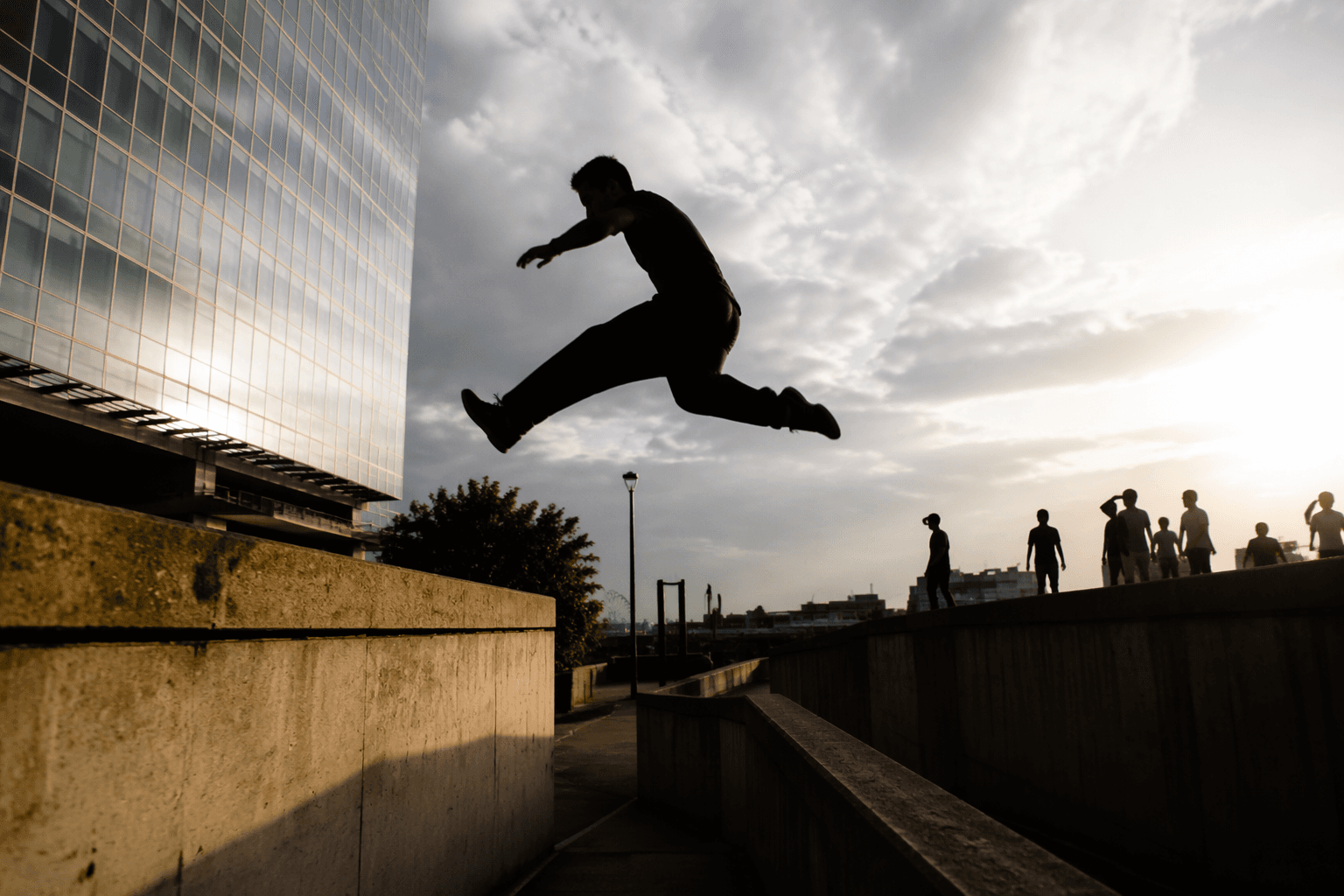
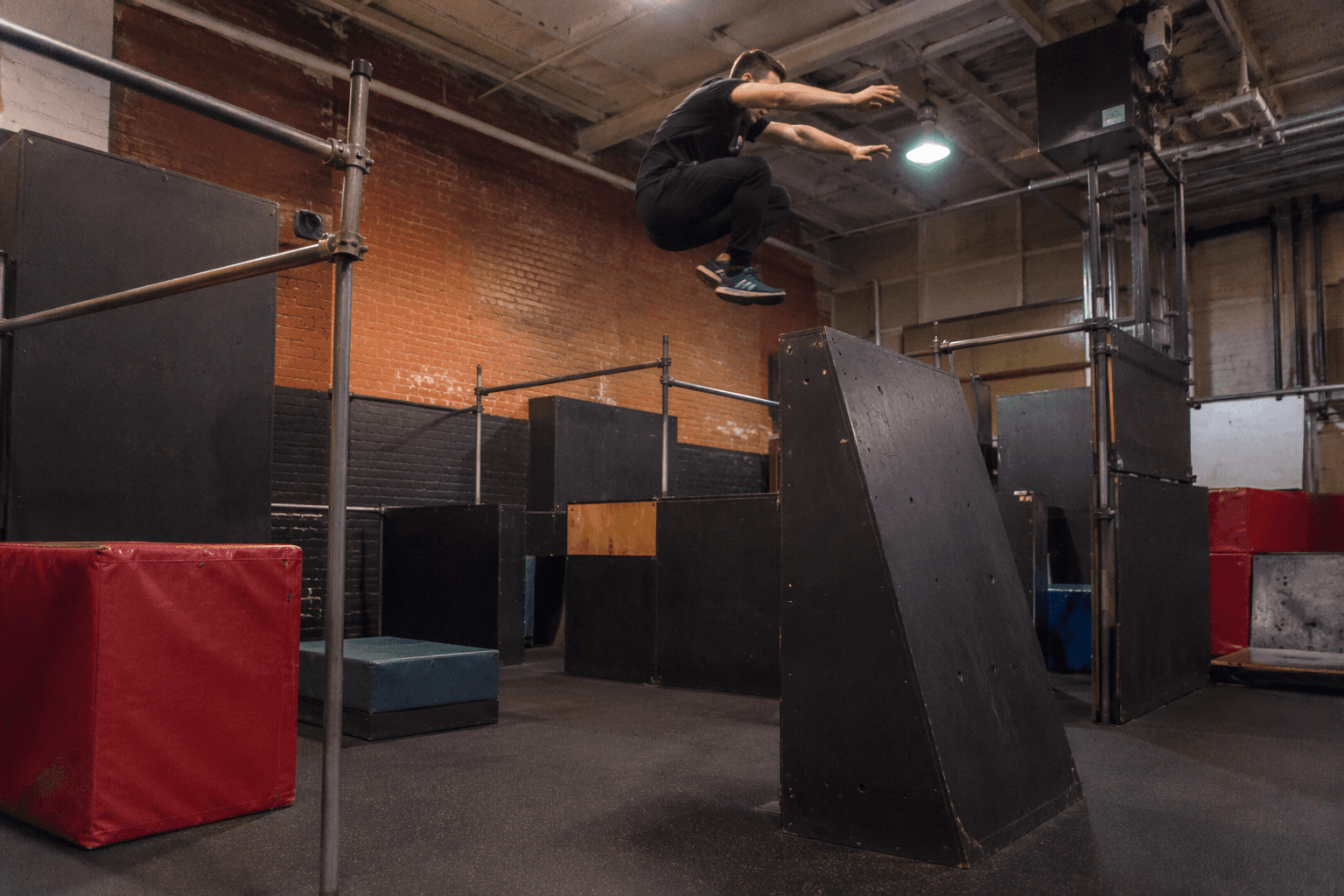
Parkour shoes matter most for beginners, guide explains essential gear
Beginners can start parkour with almost nothing, but shoes change grip, landings, and confidence more than anything else.
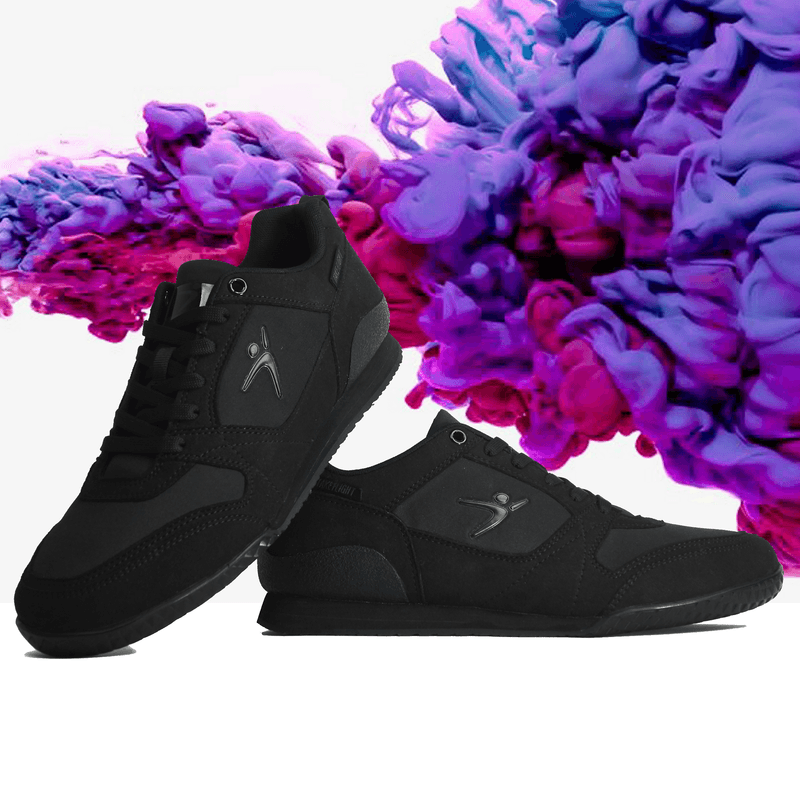
Repeated landings, rail precision, wall runs, and quick adjustments on concrete, ledges, and indoor surfaces make shoes the first serious gear decision in parkour. The rest of the kit stays lean because parkour developed as a movement-first practice, not a gear-heavy one.
Why shoes come first
Parkour’s roots in France in the late 1980s and early 1990s still shape the way the sport thinks about equipment. It developed as a discipline built around movement efficiency, not specialized hardware. That matters for beginners because the sport does not ask you to buy a pile of protective gear before you start training, but it does ask your feet to do a lot of work on surfaces that punish sloppy footwear.
That is why the shoe conversation carries more weight than the typical fitness-bro shopping list. In parkour, a shoe is not just about comfort on a jog or a casual walk around the block. It affects how clearly you feel the ground, how cleanly you plant for a jump, and how confidently you stick a landing when the surface is slick, uneven, or narrow.
What to test in a shoe before you buy
Grip is the first filter. Traction matters because takeoffs and landings often happen on rails, walls, and rough urban surfaces that do not forgive a sloppy sole. If the outsole feels vague on concrete or unstable on a low ledge, that shoe is already fighting the sport.
Flexibility comes next. Parkour movements depend on reading the ground through your feet, rolling through the foot during impact, and making small mid-step corrections when a landing is not perfect. A shoe that bends naturally through the forefoot lets you adjust faster, while a stiff build can make the foot feel disconnected from the landing zone.
Durability is not optional. Parkour shoes take repeated abuse from cat passes, wall runs, edges, and abrasive terrain, so the outsole and upper need to survive more than one clean session. A shoe that looks fine in a store but starts shedding grip or tearing after a few park sessions is not built for this sport’s stop-start rhythm.
Fit is the last piece, and it is where beginners often get sloppy. Parkour rewards precision, so a shoe that is too loose can blur your sense of where your foot is landing, while a bulky fit can dull sensitivity and control. A close, secure fit helps the foot move as one unit with the body, which is the whole point when you are asking your ankles and toes to make split-second decisions.
Parkour is minimal, not gearless
The wider gear list is short on purpose. You can begin with very little equipment, and shoes are the main purchase. Beyond that, the sport usually relies on lightweight, non-restrictive clothing that does not interfere with mobility.
A few extras show up often, but they stay secondary. Tape can help with minor finger or skin protection, a water bottle matters for outdoor sessions, chalk is useful in some training environments, and a light bag or backpack helps when you are moving between spots. None of that changes the core setup: the sport remains intentionally stripped down.
That minimalist setup is not an accident. Parkour’s culture has always favored practical movement over costume or clutter, and the clothing side of the equation follows the same rule. If your shirt or pants limit a high knee, pinch during a vault, or catch when you are moving through a cat pass, they are working against the training.
Why footwear also matters for safety
A 2022 study on training habits and lower-limb injury prevention in parkour practitioners found an injury rate of 1.7 per 1,000 hours of training. The same study identified ankle sprains and knee contusions among the most common injuries, which is exactly the kind of profile that makes traction, fit, and impact control relevant rather than cosmetic.
A review in SPORT TK, the SPORT TK-EuroAmerican Journal of Sport Sciences, outlines the epidemiology of parkour injuries and the sport’s injury profile, and a U.S. emergency-department study found that more than half of reported parkour injuries affected extremities. Feet and ankles absorb a lot of the punishment when landings get repetitive, which makes footwear part of the training plan.
The beginner checklist that actually matters
Before you buy, keep the test concrete:
- Check the outsole on real surfaces, not just a clean store floor.
- Bend the shoe through the forefoot and midfoot to see whether it moves with the foot.
- Look at the upper and toe areas for materials that can handle abrasion.
- Make sure the shoe locks down without sliding inside the heel or forefoot.
- Try to feel the ground through the sole, because parkour depends on feedback as much as cushioning.
This article was produced by Prism’s automated news system from verified source data, official records, and press releases, then run through automated quality and moderation checks before publishing. The system is built and supervised by the people who set the standards it runs under. Read our full AI policy.
Did this article answer your question?