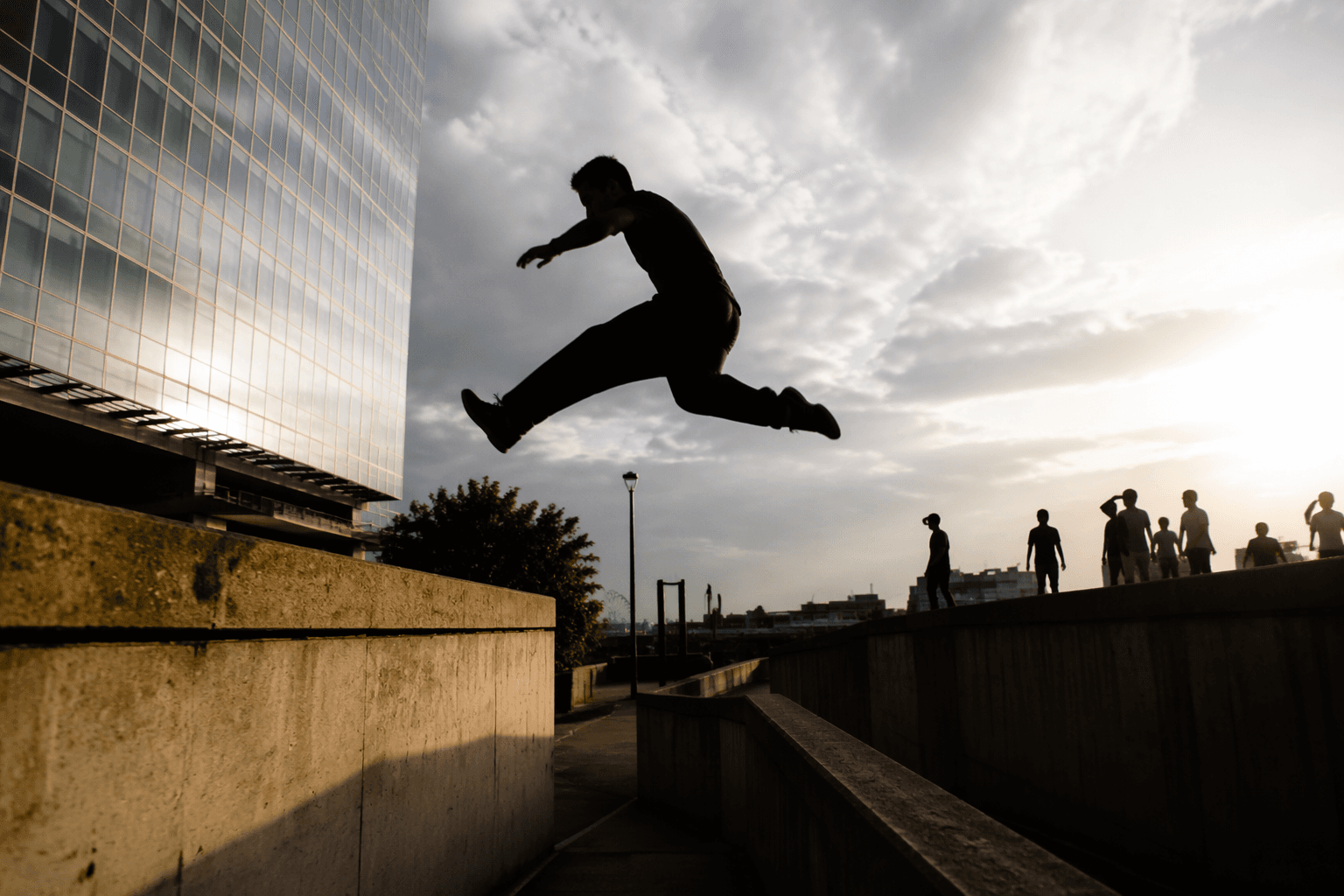
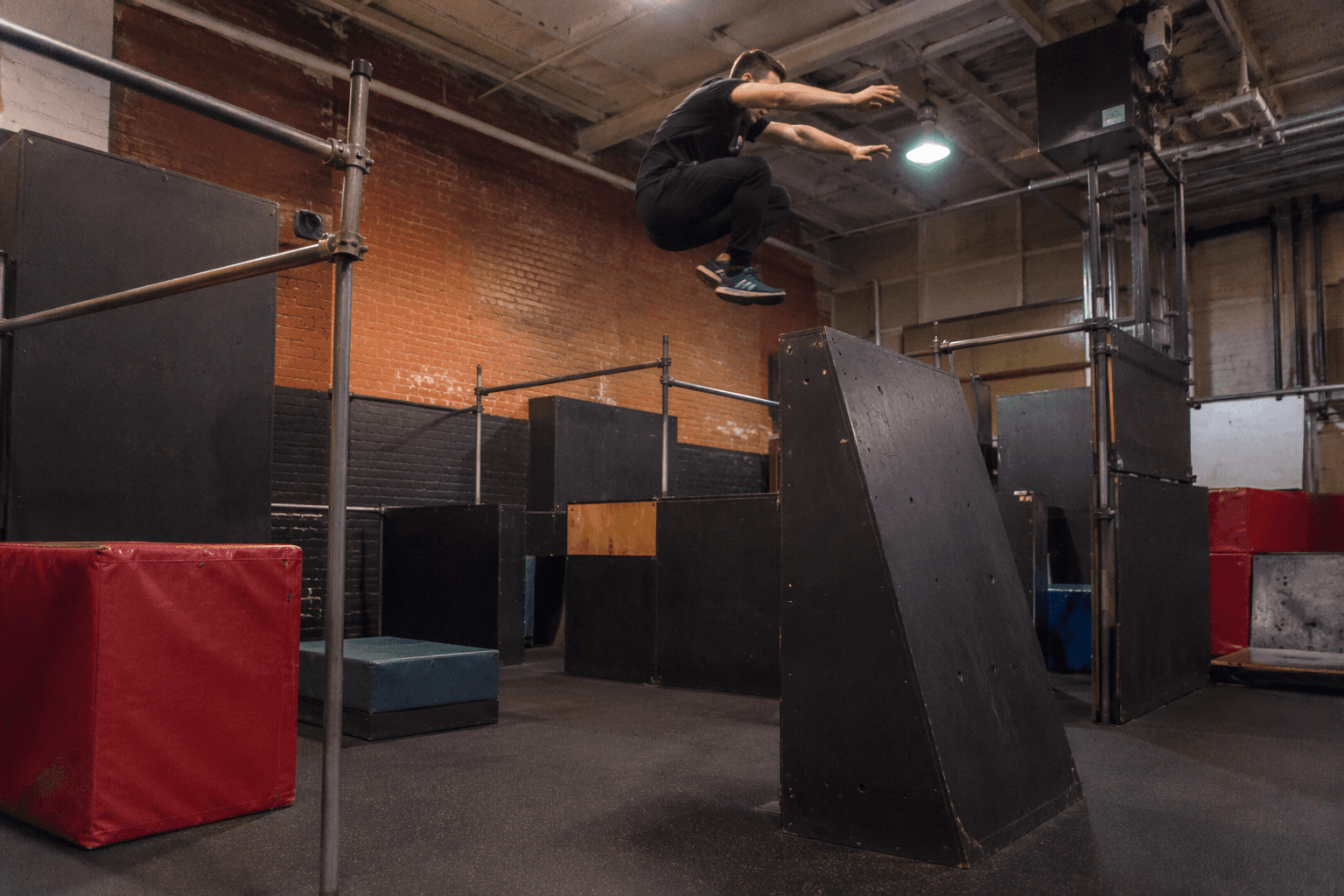
Parkour study finds autonomy and camaraderie drive youth participation
Parkour keeps young athletes coming back when they own the route: global survey data point to choice, friends and self-made progression, not just adrenaline.
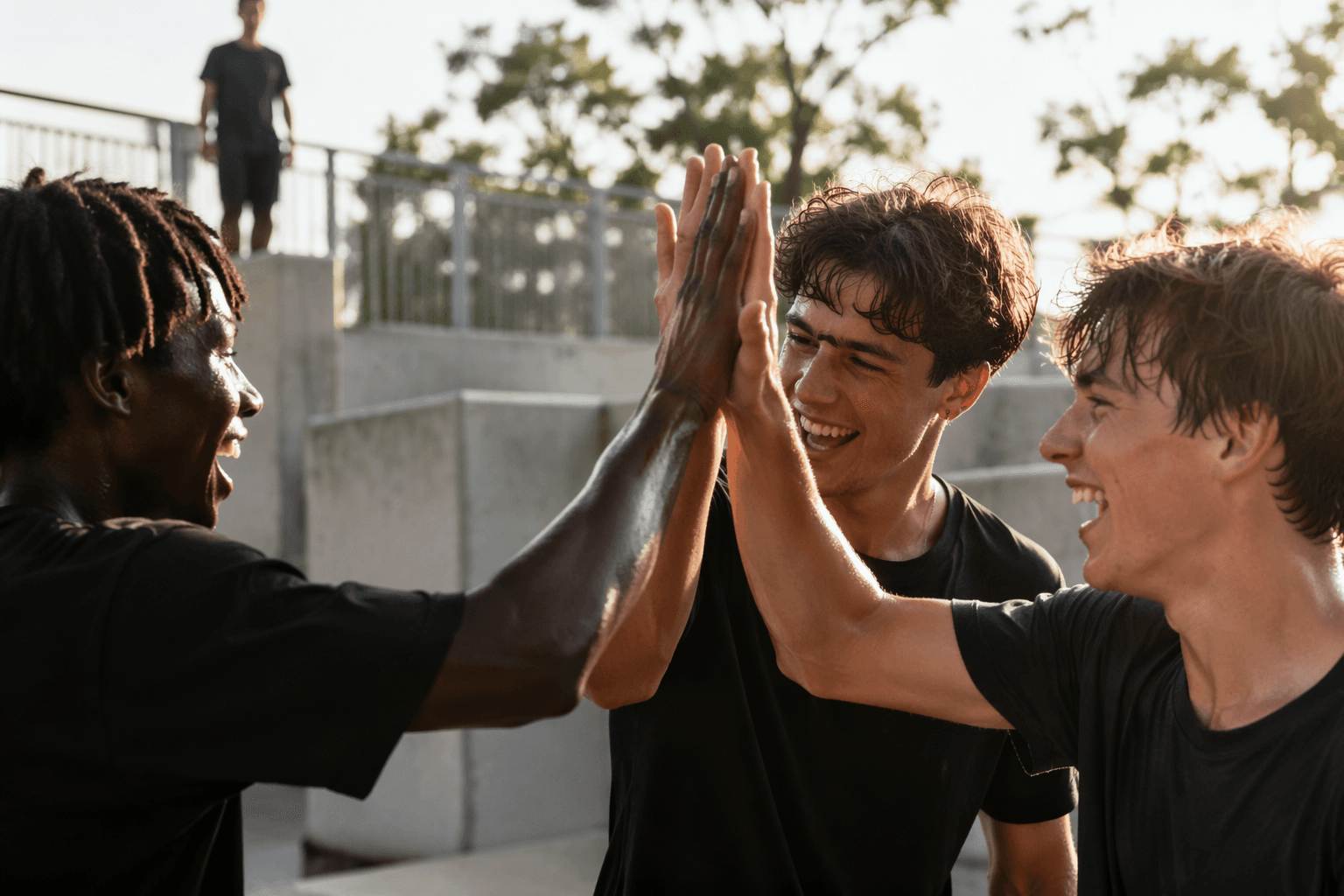
A parkour session does not need a scoreboard to hold a teenager’s attention. Give someone a wall, a rail, a landing and a friend who can show a cleaner line, and the sport starts to answer its own practical question: why do people keep coming back when nothing is forcing them to? The latest research points to the same answer from several angles: autonomy, camaraderie and visible personal progress.
Why parkour works when there is no league table
Parkour separates itself from most youth sports by letting the athlete choose the problem. Instead of a coach prescribing every repetition or a bracket deciding who advances, the traceur picks the route, adjusts the difficulty and decides when a movement is good enough to try again. That self-direction matters because the studies behind this story consistently frame parkour as a sport built around internal motivation rather than external reward.
In practice, that means a session can look more like collaborative problem-solving than formal training. One athlete tests a vault, another spots the landing, and a third suggests a different angle for the same obstacle. The appeal is not only the rush of movement; it is the freedom to shape the challenge and the satisfaction of improving on your own terms.
What the global questionnaire found
The strongest broad snapshot comes from a 2025 international questionnaire that used the PARK-Q instrument to survey 141 parkour practitioners from 15 countries across four continents. The average participant was 26.2 years old, with a standard deviation of 5.0, and the questionnaire itself showed strong internal consistency, with Cronbach’s alpha at .902. That level of reliability matters because it makes the instrument useful as a research and coaching tool, not just a one-off opinion poll.
The same survey found a recognizable pattern in how parkour is actually practiced. Most respondents said they trained outdoors, with friends, in an unstructured way, and learned freely through autodidact and peer-based practice. Those details tell the story of a sport that grows through observation, repetition and shared experimentation rather than formalized playbooks.
That structure, or lack of structure, helps explain retention. If an athlete is learning from peers and deciding for themselves how hard to push, the sport keeps offering new problems instead of repeating the same drill until it feels like obligation.
Youth motivation is high, and it is measurable
A companion 2025 study focused on 27 children and adolescents ages 7 to 16 and used the Intrinsic Motivation Inventory and PACE+ surveys to examine motivation and physical activity habits. The numbers were striking: the median interest and enjoyment score was 6.71 out of 7, and perceived choice was 6.40 out of 7. Those scores put a concrete number on what parkour athletes often describe in plain language: they like doing it, and they feel they have a real say in how they do it.
The interviews from that youth work surfaced four themes again and again: autonomy, camaraderie, creativity and a drive for improvement. That combination is the key to understanding why the sport sticks. Autonomy gives the athlete ownership. Camaraderie keeps the session social. Creativity turns the environment into a playground of options. Improvement gives the work a visible path forward, even without medals or seasons.
A separate mixed-methods analysis widened the lens by comparing 38 children and adolescents ages 7 to 17 who were enrolled in parkour versus other sports. It found significant differences in motivations and physical activity habits, and the qualitative interviews suggested that parkour may reach children who are otherwise uninterested in conventional sports. That is an important practical point for families and coaches: parkour can be a bridge for kids who do not respond to repetitive drills or rigid team hierarchies.
How coaches and parents can use that insight
The retention lesson is straightforward: build sessions around choice, not control. If the sport’s strongest pull is self-directed challenge, then the coaching environment should protect that trait instead of flattening it.
A few concrete applications stand out:
- Offer multiple lines through the same obstacle so athletes can choose a route that matches confidence and skill.
- Use peer demonstrations, not just instruction from the front of the group, so learning stays social and accessible.
- Track progress against the athlete’s own previous attempt, since the reward is personal improvement rather than beating an opponent.
- Rotate surfaces, heights and movement patterns to keep the environment creative and prevent the same line from going stale.
- Let athletes practice in small groups outdoors when possible, because the global survey found that outdoor, friend-based, unstructured settings are the norm.
That is not a softer version of training. It is a better fit for the way parkour already works. The sport’s retention engine is built on ownership, and when athletes feel that ownership, they return because the challenge still belongs to them.
A sport built in public, then shared online
Parkour’s present-day appeal also makes more sense when you look at its path into the mainstream. Britannica traces the discipline to France in the late 1980s, credits David Belle as the father of parkour, and notes that Sébastien Foucan was a leading early figure who introduced freerunning in Britain. The sport then spread through Internet videos, television commercials and films, including the James Bond movie Casino Royale in 2006.
That pop-culture visibility turned parkour into a recognizable movement, but the research shows that its long-term appeal is not just spectacle. The discipline kept growing because it offered something a traditional sport often cannot: a way to keep moving when the structure is self-made.
The injury question is still under-sampled
Even with parkour’s rising profile, the research base around youth safety remains thin. A 2025 scoping review of child and adolescent parkour started with 10,152 records and found only 11 studies that met its inclusion criteria. It also concluded that there is minimal evidence on parkour-related injuries and adverse experiences in youth.
That gap matters because parkour is often misunderstood as a pure stunt sport. The available evidence points somewhere else: a youth activity that seems especially strong at holding attention because it rewards choice, creativity and peer learning. The challenge now is not to reduce parkour to spectacle, but to understand how a self-directed sport keeps young athletes engaged long enough to build skill, confidence and a lasting habit of movement.
This article was produced by Prism’s automated news system from verified source data, official records, and press releases, then run through automated quality and moderation checks before publishing. The system is built and supervised by the people who set the standards it runs under. Read our full AI policy.
Did this article answer your question?