Parkour UK uses modular kit to boost public participation
A modular parkour setup turned two festivals into hands-on entry points, letting newcomers vault, balance and move with confidence instead of just watching.

Parkour UK did not treat its latest festival appearances as demonstrations to stand behind a barrier. At Beats, Boards, and BBQs and Scarborough Extreme, it built public parkour zones with GYMNOVA’s Brick modular kit so families, first-timers and casual spectators could step in and try movement for themselves.
From showpiece to first contact
The most important shift was not visual, it was practical. Parkour UK used the Brick setup to move the sport away from the familiar rooftop fantasy and into safe, adaptable spaces where people could actually take part. That approach turned the public area into a first-contact experience for little kids, teenagers, parents and neurodivergent participants, rather than a display meant only for experienced traceurs.
At Beats, Boards, and BBQs, that idea landed inside a free community festival at Charlton Park. Parkour UK said it was the first time parkour had been included in the lineup, and the point was to bring the sport into a setting where music, skateboarding, art and local culture already shared the same space. Instead of asking the crowd to imagine parkour, the setup invited them to touch it, step on it and move through it.
How the Brick layout changed the experience
The Brick system did the heavy lifting because it could be reshaped to fit the event, not the other way around. Parkour UK said the kit was flexible enough to adapt to different spaces, easy to reconfigure across the weekend and comfortable enough that very young children, teenagers and parents all felt able to try it. GYMNOVA describes Brick as a modular parkour range for indoor and outdoor use, sold as a kit or in individual pieces, with wooden modules, tubular structures, mats, accessories and interlocking elements.
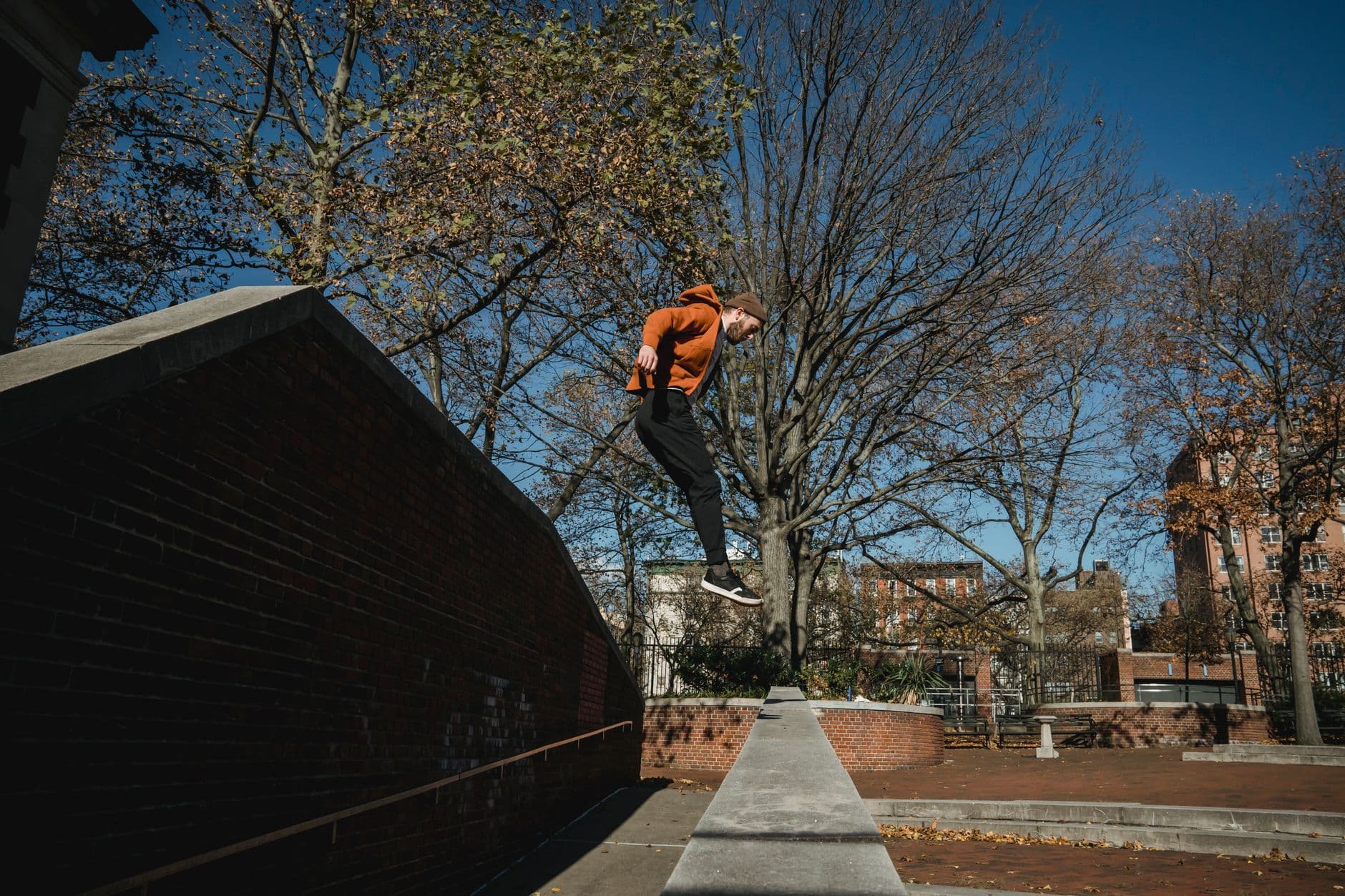
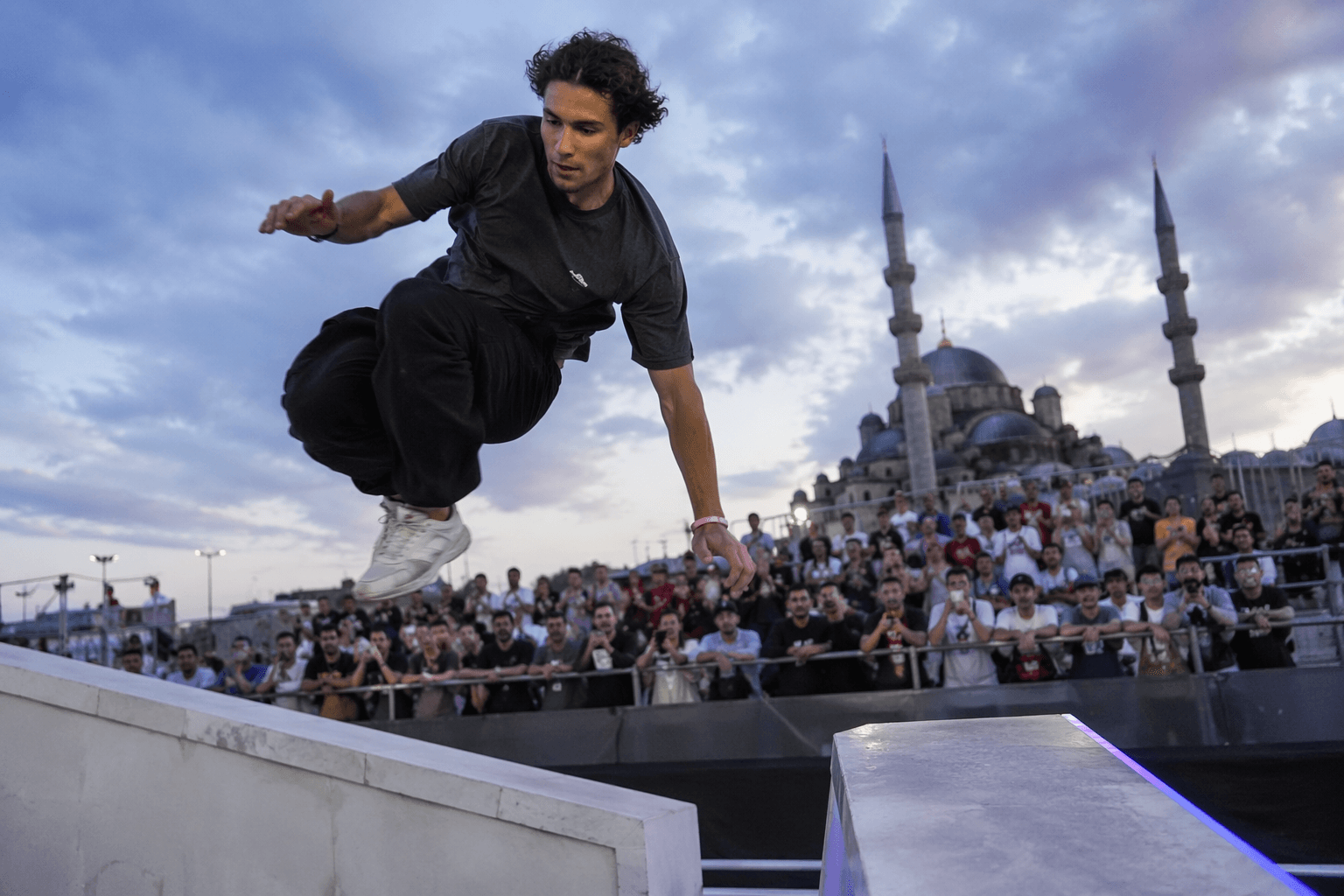
That modularity mattered because public events rarely offer perfect conditions. At Beats, Boards, and BBQs, certified coaches used the equipment to help first-timers safely vault, balance and explore movement. At Scarborough Extreme, the same kit was used over three full days and even in tighter spaces beside a skate and BMX jam, showing that a well-built parkour zone can expand or contract without losing its appeal.
For event organisers, the lesson is clear: a parkour activation works best when the layout can be changed quickly, the surface is forgiving and the coaching is built into the experience from the start. The kit alone does not turn spectators into participants. The combination of modular equipment, safe spacing and guided entry does.
What people actually tried
The strongest stories from these showcases came from the people who tried something for the first time. Parkour UK says the Brick setup helped it reach little kids, neurodivergent participants and girls trying parkour for the first time, which is exactly the kind of audience public sport often fails to convert. The space did more than entertain them. It gave them a low-pressure chance to test balance, judge distance and learn that parkour can begin with a controlled step rather than a dramatic leap.
One moment stood out for the same reason. Parkour UK described an autistic child who kept trying a move until it finally landed, turning the session into a lesson in persistence rather than spectacle. That kind of moment matters because it shows why public parkour needs to be designed as an invitation. When the movement is broken into approachable pieces, the result is not just participation, but confidence.
Parkour UK also said the setup drew positive remarks from people in the parkour community. That reaction lines up with the broader value of the activation: it showed that a public-facing parkour space can feel credible to experienced athletes while still being welcoming enough for people who have never tried the discipline before.
Why Scarborough mattered as a bigger stage
Scarborough Extreme gave the same idea a wider platform. The festival ran July 12-14, with a Showcase Day on Saturday July 12 in North Bay, and The Scarborough Fair presents it as part of a year-round arts, heritage and sporting programme across the town. That matters because parkour was not isolated as a niche demo. It sat alongside a broader action-sport and performance mix that included British Cycling, Skateboarding GB and 360 ALLSTARS, plus cycle coaching, balance bikes, roller skating, have-a-go surf sessions, paddling, rowing, motorbike relays and martial arts demonstrations.
That kind of placement changes how the sport is understood. At a town-scale festival built around movement, parkour reads less like an extreme outlier and more like one of several ways people can interact with public space. The weekend format also gave Parkour UK room to show how the same kit can function in a busier festival environment, not just in a controlled workshop.
What clubs and organisers can copy
Parkour UK’s approach offers a practical template for anyone trying to bring new people into the sport:
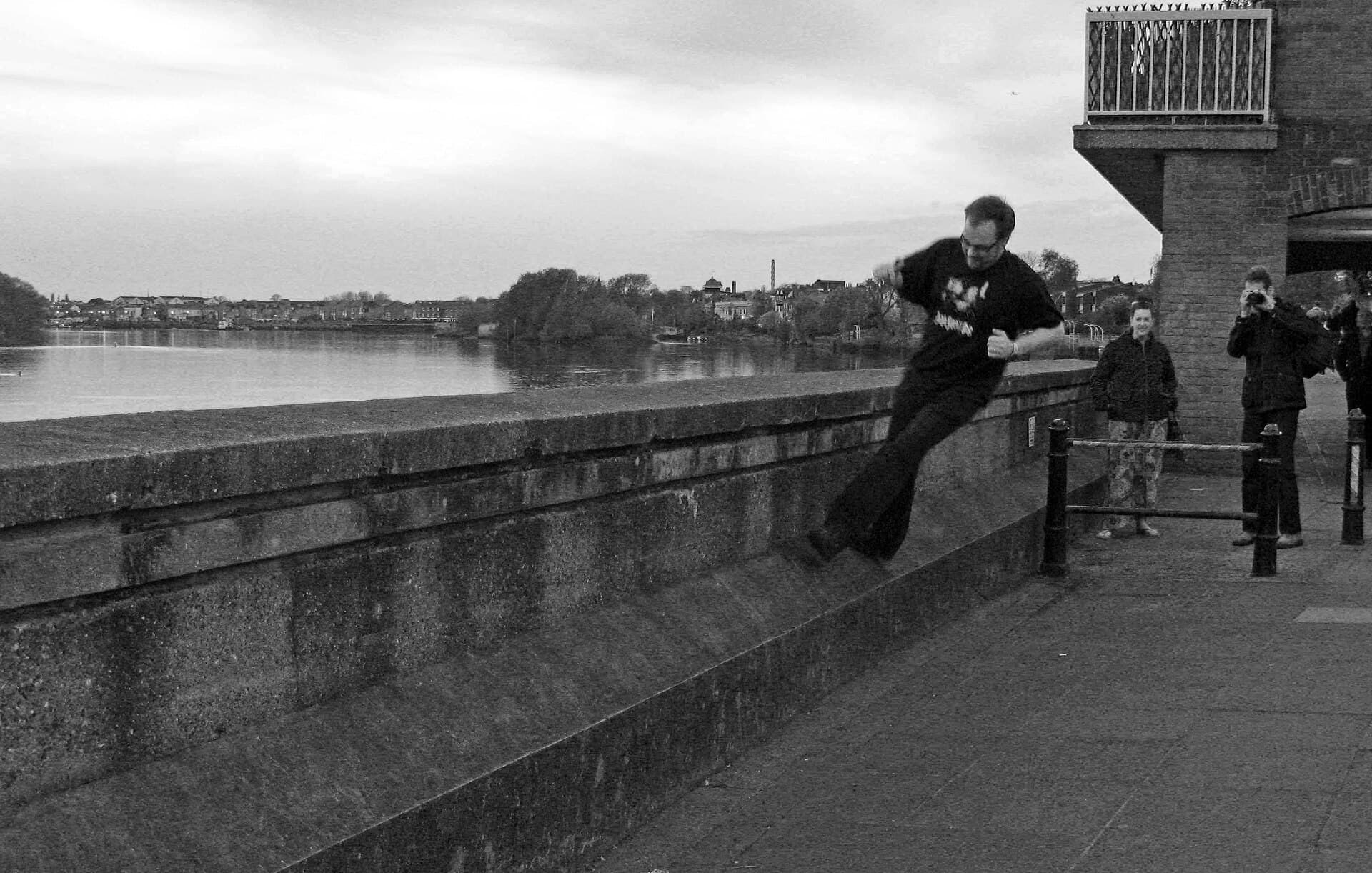
- Build a zone that feels open from the edge, not intimidating from a distance.
- Use modular kit that can be reconfigured for different footprints and crowds.
- Put certified coaches on the floor so first-timers can vault, balance and land with guidance.
- Design for mixed ages and abilities, from little kids to parents and neurodivergent participants.
- Place parkour beside other movement-based attractions so spectators can drift into participation naturally.
That approach fits Parkour UK’s wider mission, which it describes as creating more opportunities for people to participate and grow the sport through safe, positive experiences. Its partnership with GYMNOVA formalises that direction: the equipment partner provides the modular tools, while the sport body uses them to widen the doorway into parkour.
The result is a sport that looks less like a distant performance and more like something the crowd can actually join. That is the real win for parkour’s public future.
This article was produced by Prism’s automated news system from verified source data, official records, and press releases, then run through automated quality and moderation checks before publishing. The system is built and supervised by the people who set the standards it runs under. Read our full AI policy.
Did this article answer your question?