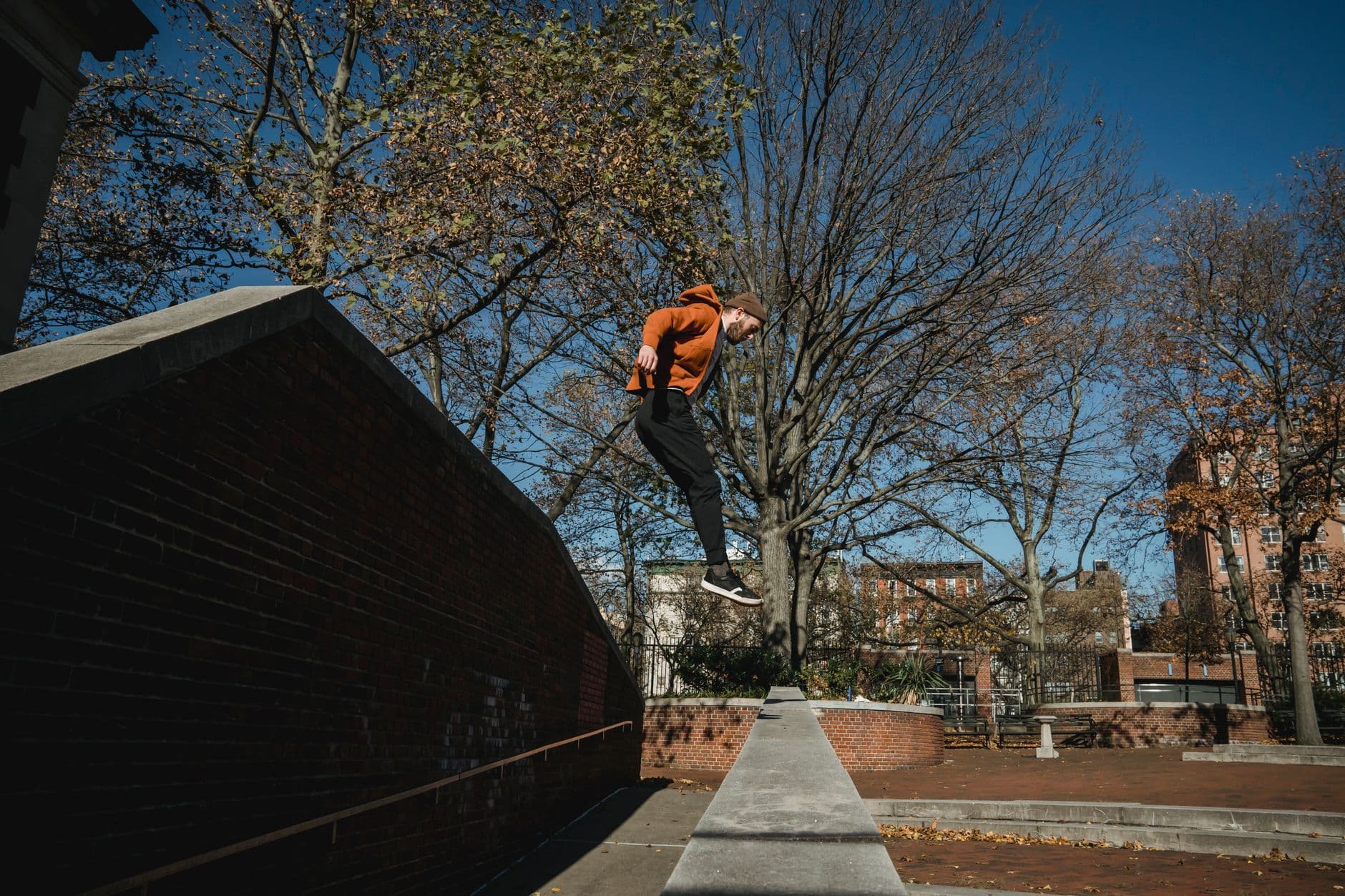
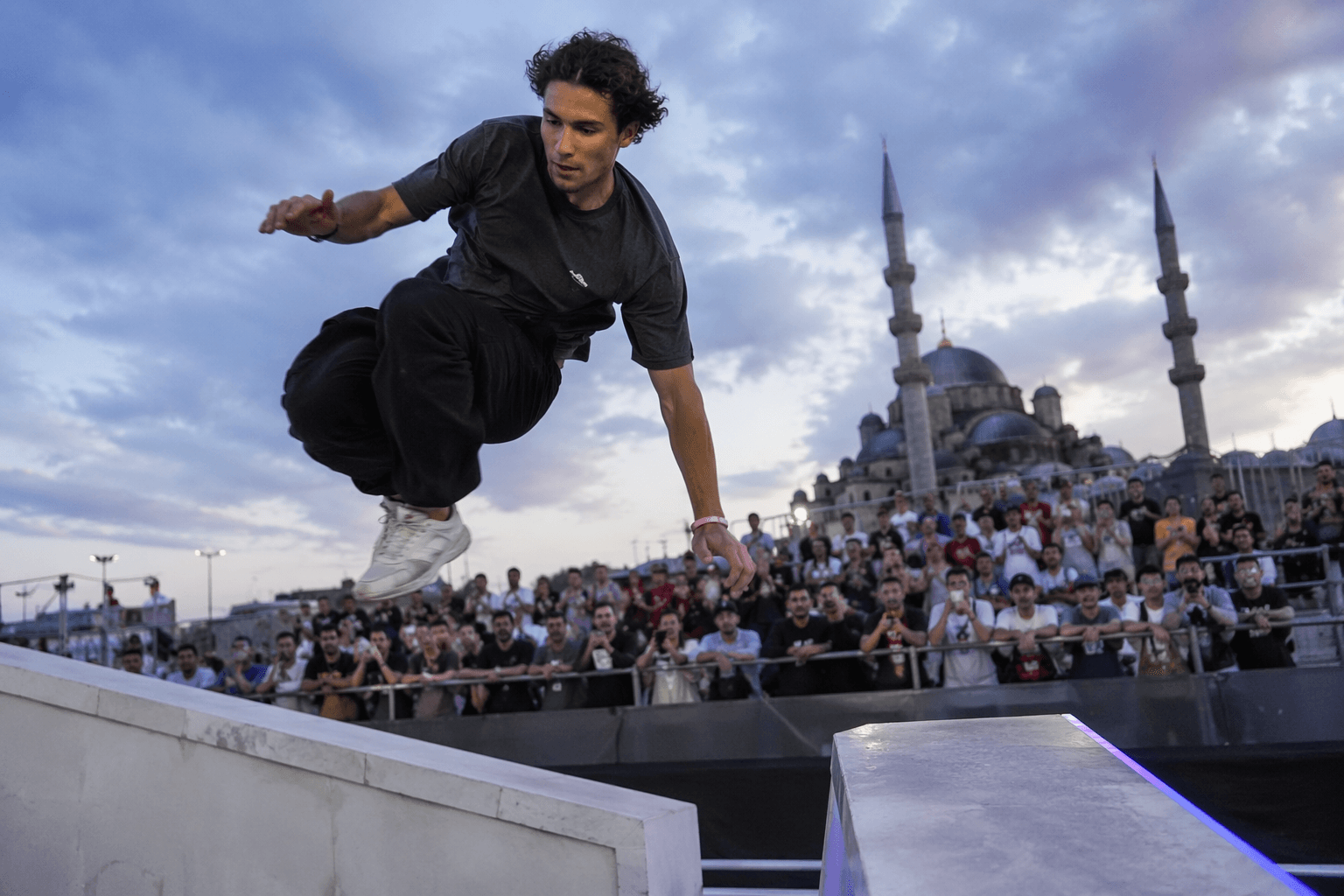
USPK rulebook reveals how parkour competitions are run behind the scenes
USPK’s rulebook turns parkour meets into a full operating manual, from course safety and athlete rights to inclusion, anti-doping, and event liability.
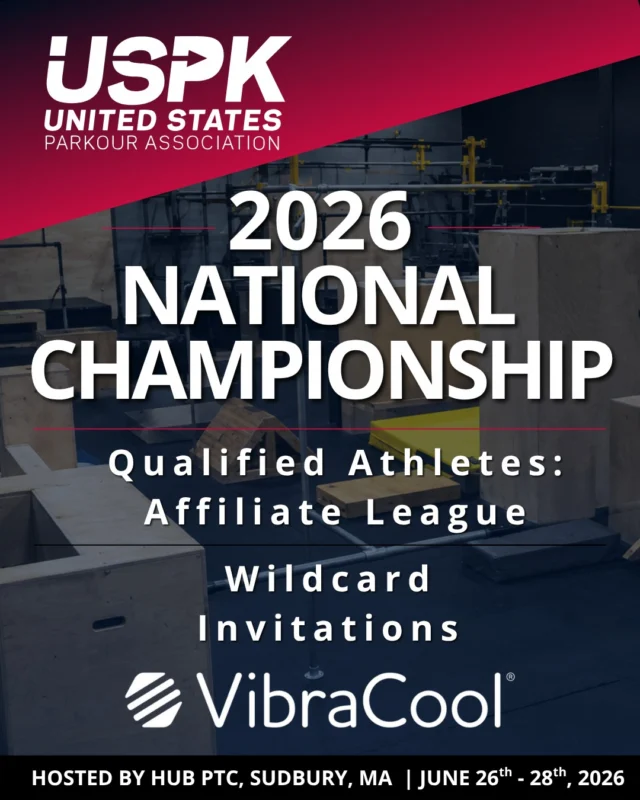
The 2024 v2.0 USPK rulebook, published on January 11, 2024, includes competition officials, an evacuation plan, athlete rights, anti-doping, and code-of-conduct rules in a single document. For coaches, gym owners, and meet directors, what happens behind the scenes can decide whether a competition feels smooth, fair, and safe, or chaotic and exposed.
The rulebook is the operating manual
USPK identifies itself as the national governing body for parkour, freerunning, and l’Art du Déplacement in the United States and was founded in 2018 as a 501(c)(3) nonprofit. The rulebook is not written like a casual coaching guide. It is a governance document that stays in effect until a later version is published, which gives organizers a living standard instead of a one-off handbook.
The rulebook lays out the parts of a sanctioned event that usually decide whether a meet runs cleanly. Its contents include competition officials, competition areas, SPK hosted event requirements, an evacuation plan, athlete’s rights, safety, eligibility, entry requirements, anti-doping, competitor code of conduct, disciplines, and course regulations. In practical terms, that means a gym hosting a sanctioned competition is not just lending out floor space. It is taking on a managed sports environment with defined roles, rules, and responsibilities.
What organizers must handle before the first run
The rulebook gets concrete about competition officials and competition areas. Someone has to oversee starts, calls, and disputes. Staging, warmup flow, athlete movement, and spectator boundaries all affect whether an event feels controlled or improvised.
The safety side is just as direct. By including hosted event requirements and an evacuation plan, USPK makes clear that a meet has to be prepared for more than elite performances. A facility owner planning a regional qualifier has to think about emergency exits, medical access, and how people leave the space if something goes wrong.
For gym owners and meet directors, the rulebook is a liability document too
The sections on eligibility, entry requirements, anti-doping, and competitor conduct are where the business side of parkour becomes impossible to ignore. Entry rules decide who can compete, while eligibility rules decide whether an athlete belongs in a division or on a start list. Anti-doping and conduct enforcement give organizers tools to protect the competitive field and the event’s credibility.
The course regulations matter just as much. The contents also flag “setting new courses,” “design duty to athlete-course fairness,” and “athlete-course interest,” which tells venue operators and course builders that layout is part of governance, not just design taste. A poorly placed wall or awkward approach can favor one movement style over another, so the rulebook treats course fairness as an official responsibility rather than an artistic preference.
The committee behind the rules is drawn from the sport itself
USPK’s Judges & Athletes Advisory Committee is made up of active members of the competitive parkour community, and that committee maintains and updates the rulebook.
Volunteers sit at the center of work through task forces and committees on public parkour parks, inclusion and diversity, school programming, and judging and athlete issues.
Inclusion is written into the competitive season
USPK’s trans inclusion policy was updated for the 2023 season after further research and community surveying, and later guidance allows trans and nonbinary athletes to participate in any division of their choice for the entire competitive season. That has immediate consequences for registration tables, ranking systems, and event planning, because division placement is not a one-day decision. It has to work across an entire season that can include qualifiers, finals, and the national championship.
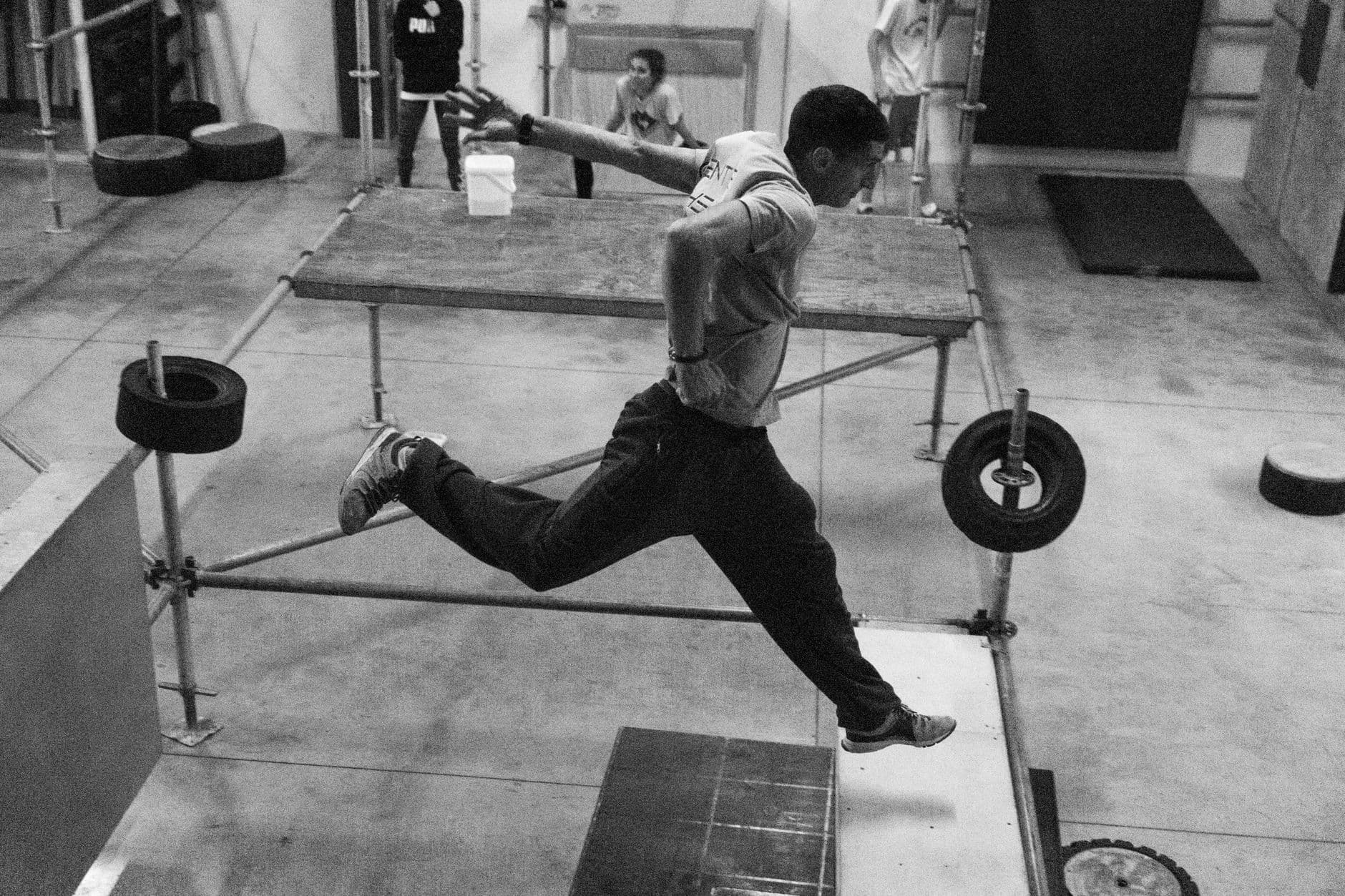
For coaches, that means preparing athletes for a season structure rather than a single start list. For organizers, it means registration and results systems have to support the policy cleanly.
The pathway runs from local qualifiers to a national stage
Regional qualifiers around the country lead to a regional final and then to the USPK National Championship. USPK describes that championship as the world’s largest organized parkour competition circuit. A local gym hosting a qualifier is part of that national pathway.
That pathway also explains why the rulebook has to be so detailed. If results in one city can shape who reaches the regional final and then the national championship, then disputes over course design, conduct, safety, or eligibility have consequences that travel far beyond the original venue.
How the U.S. system fits the global picture
The U.S. framework sits inside a rapidly formalizing international sport. The Fédération Internationale de Gymnastique approved development of parkour as a new sport in February 2017, and its competition model uses Speed and Freestyle as core categories. FIG also describes parkour events with blocks, walls, and bars that mirror urban obstacles, while athletes use techniques such as cat leap, arm jump, drop jump, and wall run.
This article was produced by Prism’s automated news system from verified source data, official records, and press releases, then run through automated quality and moderation checks before publishing. The system is built and supervised by the people who set the standards it runs under. Read our full AI policy.
Did this article answer your question?