UK becomes first country to recognize parkour as a sport
Britain’s 2017 recognition gave parkour official sport status, opening the door to funding, coaching and park builds for a discipline born in France.
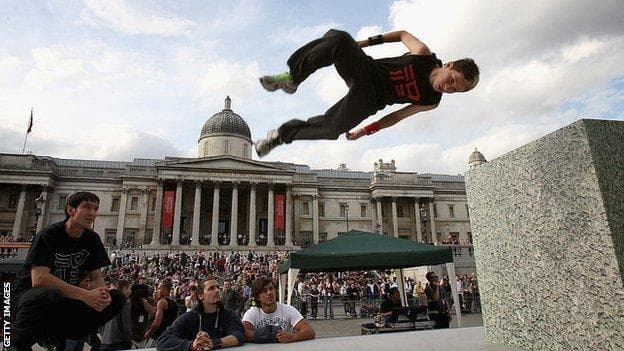
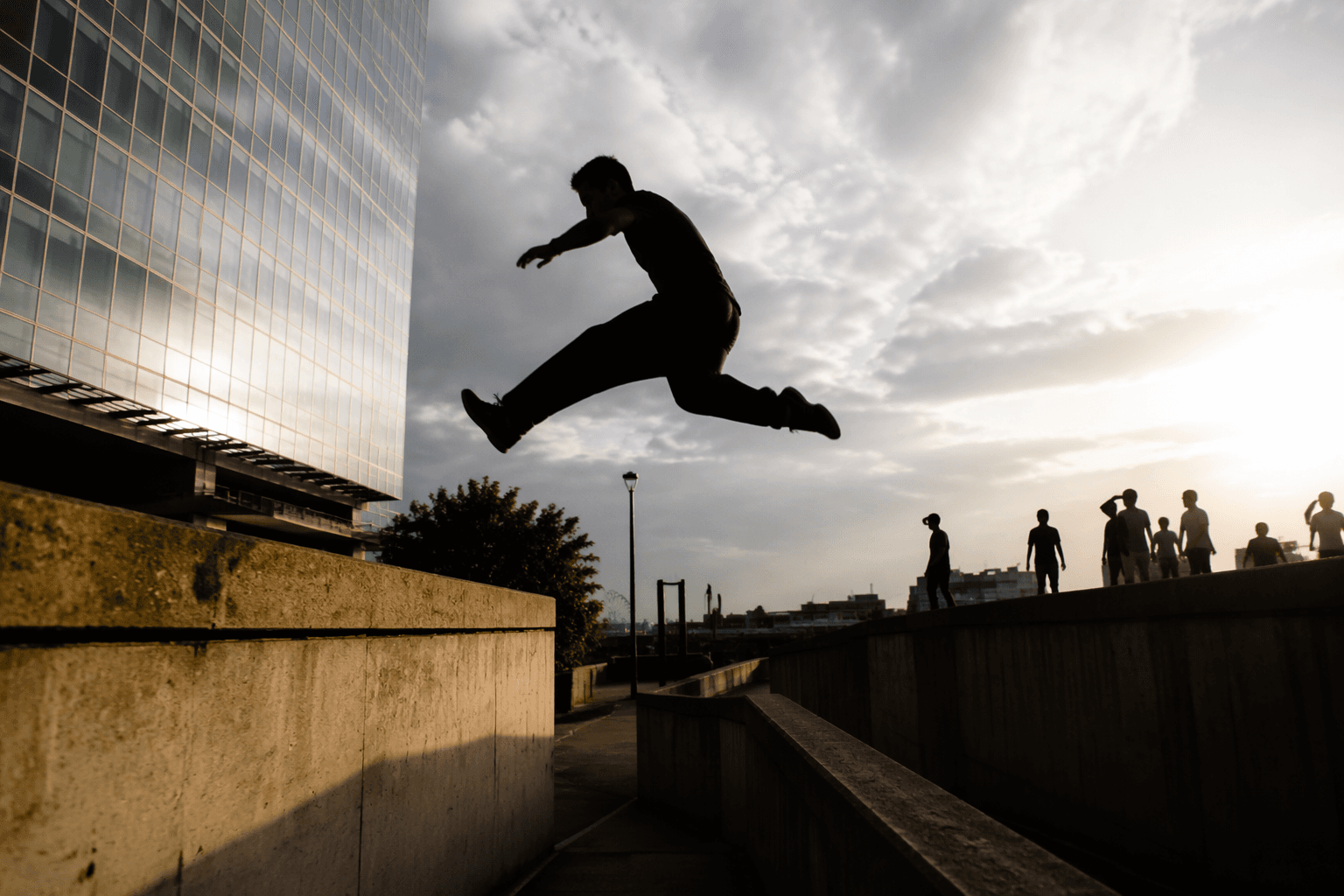
Britain put parkour on the sporting map by becoming the first country to officially recognise it as a sport, a decision confirmed after the four Home Country Sports Councils signed off on 10 January 2017. For a discipline also known as freerunning, the ruling gave the sport a formal place in the national system without changing what makes it distinctive: movement through the built environment, not a marked pitch.
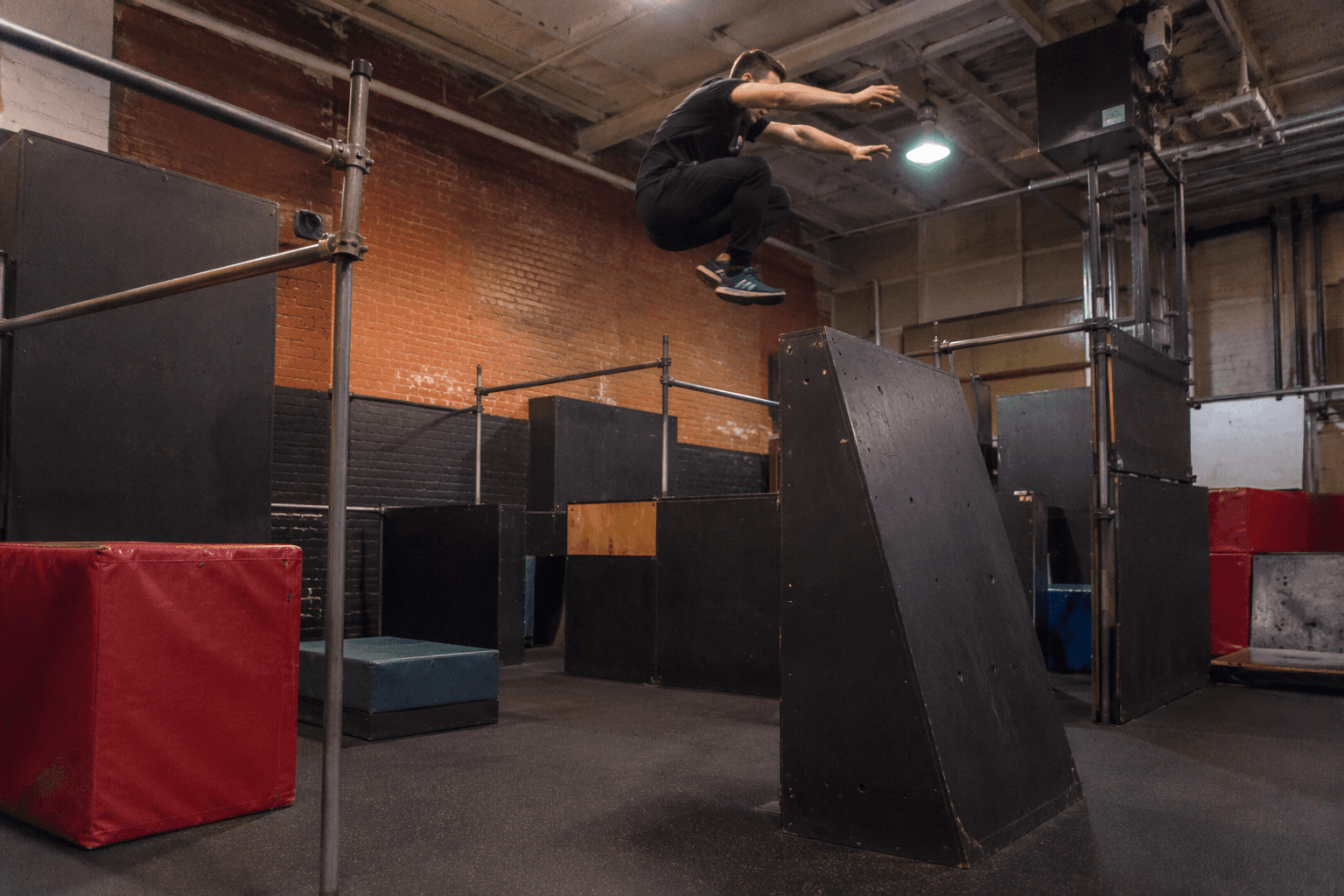
The recognition mattered because it carried practical consequences. Organisations involved in parkour could apply for government funding, and BBC-linked social coverage said that money could be used to build parkour parks. Parkour UK has long described the sport as highly accessible and requiring no additional equipment, a detail that helps explain why official backing was so significant. A sport that depends on walls, rails, stairs and open space rarely fits neatly into traditional facility models, so recognition created a clearer route for schools, clubs, local authorities and insurers to support it.
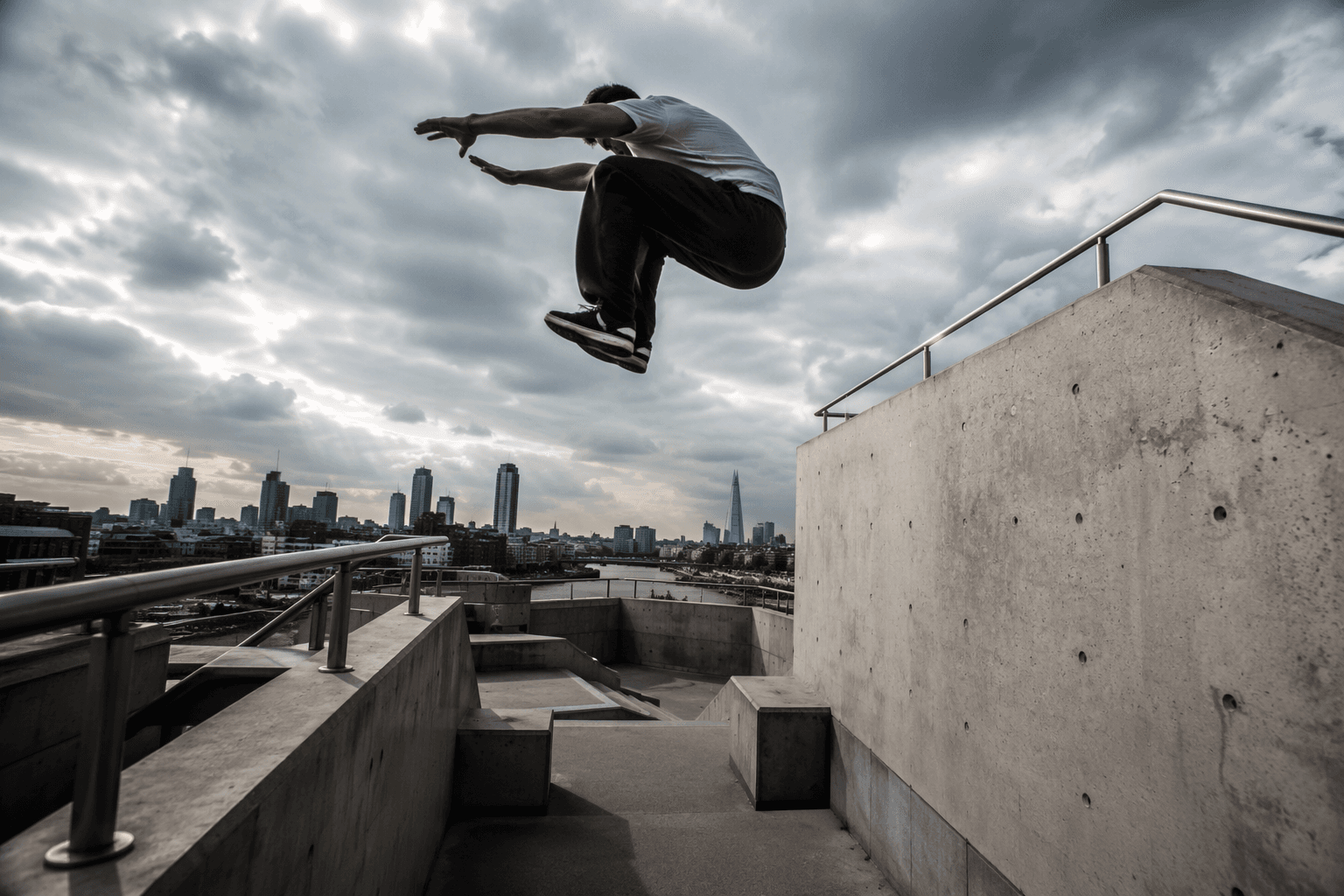
That promise, though, was always broader than the immediate reality. Parkour had developed in France in the 1980s, and by the time Britain recognised it, the sport already had a strong identity built on freedom and adaptability rather than standardised competition. Official status did not suddenly standardise the way people trained, but it did give coaches and organisers a framework for safer participation and more structured instruction. In practical terms, the decision made it easier to argue that parkour was not a stunt or a fad, but an organised discipline deserving of the same institutional support as more established sports.
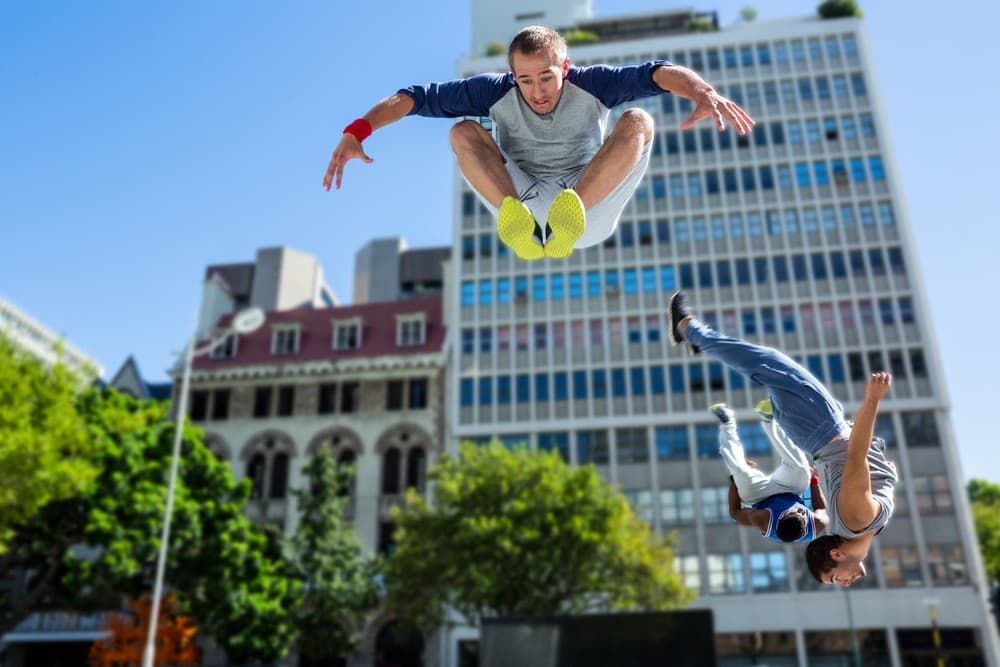
The reaction inside the sport was emphatic. Parkour UK chief executive Eugene Minogue called it “brilliant recognition for a discipline that has come of age.” Government-facing messaging on the announcement also featured sports minister Tracey Crouch, underlining how seriously ministers were taking the move. In BBC Newsbeat coverage, freerunner Shirley Darlington-Rowat pushed back against the stereotype that parkour belonged only to young men in tracksuits, saying the sport is “for everyone.”
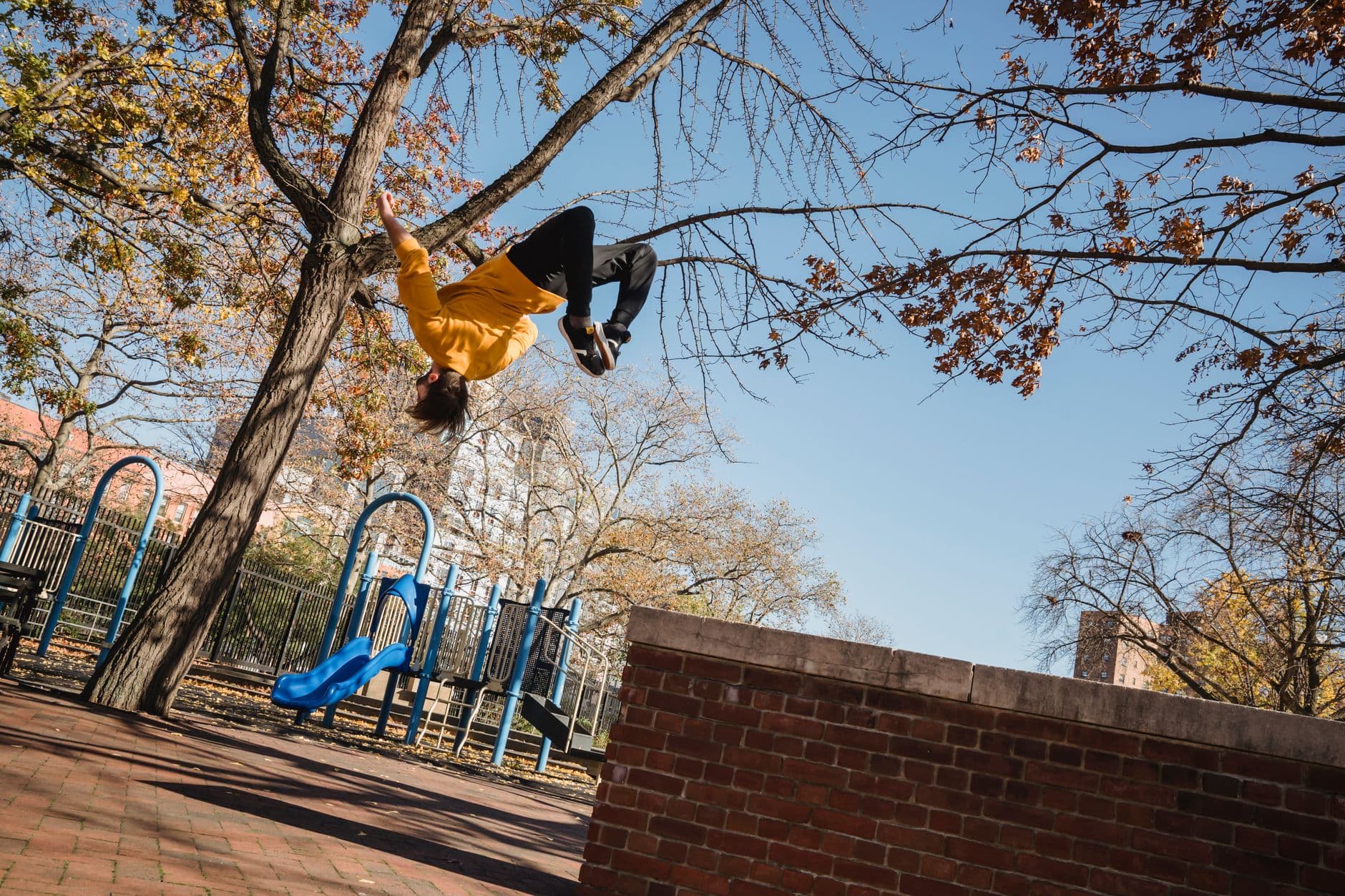
That tension between open access and formal recognition remains central to parkour’s identity. Even with official status, Parkour UK’s message still held: participants can take part whenever and wherever they want. The UK’s decision gave the discipline legitimacy, funding pathways and a stronger case for purpose-built spaces, but it did not erase the sport’s defining feature, the freedom to turn the city itself into the course.
This article was produced by Prism’s automated news system from verified source data, official records, and press releases, then run through automated quality and moderation checks before publishing. The system is built and supervised by the people who set the standards it runs under. Read our full AI policy.
Did this article answer your question?