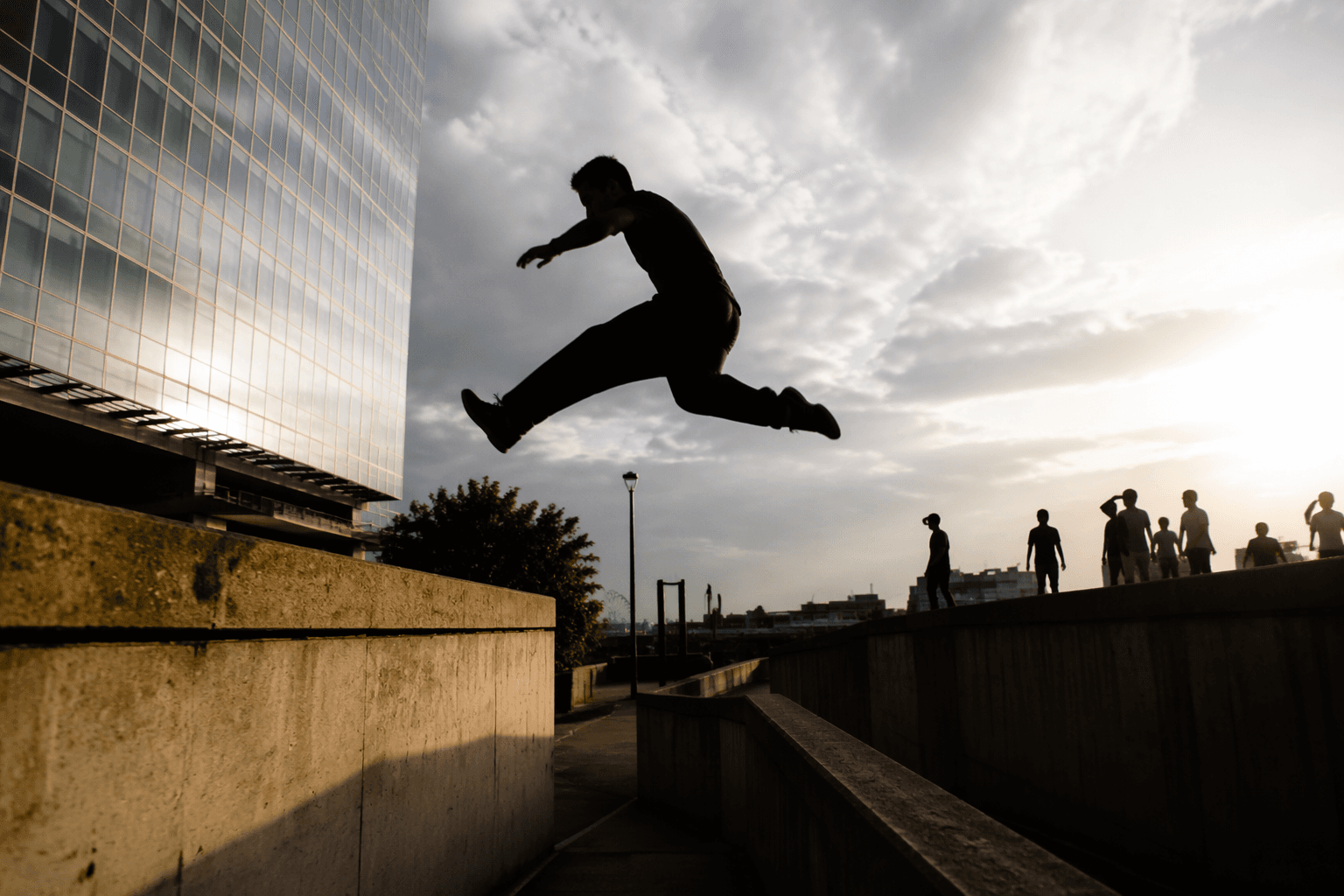
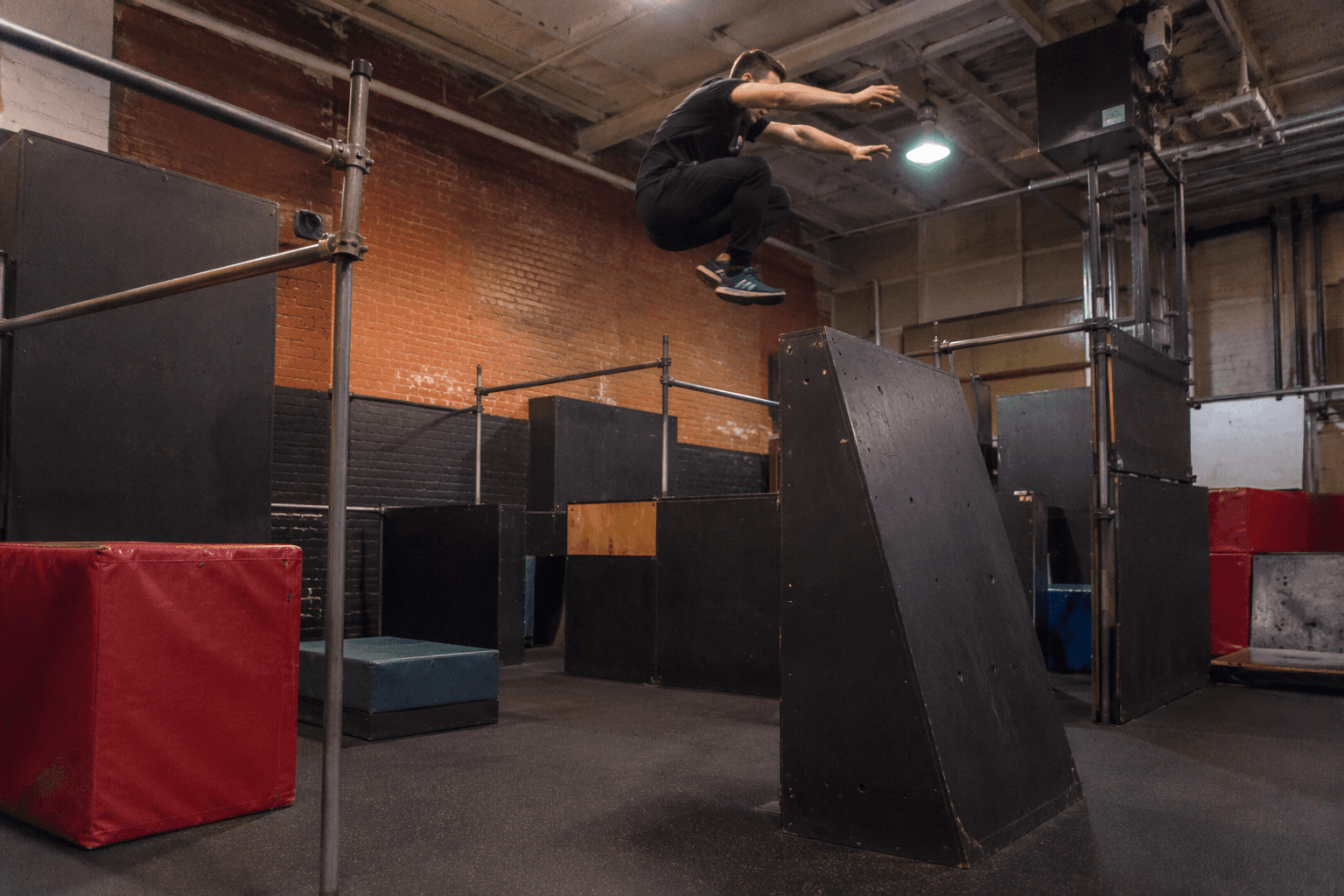
Yamakasi helped turn parkour into a global cinematic language
Yamakasi turned seven Paris traceurs into global icons, giving parkour its first cinematic vocabulary and exposing the split between real discipline and movie myth.
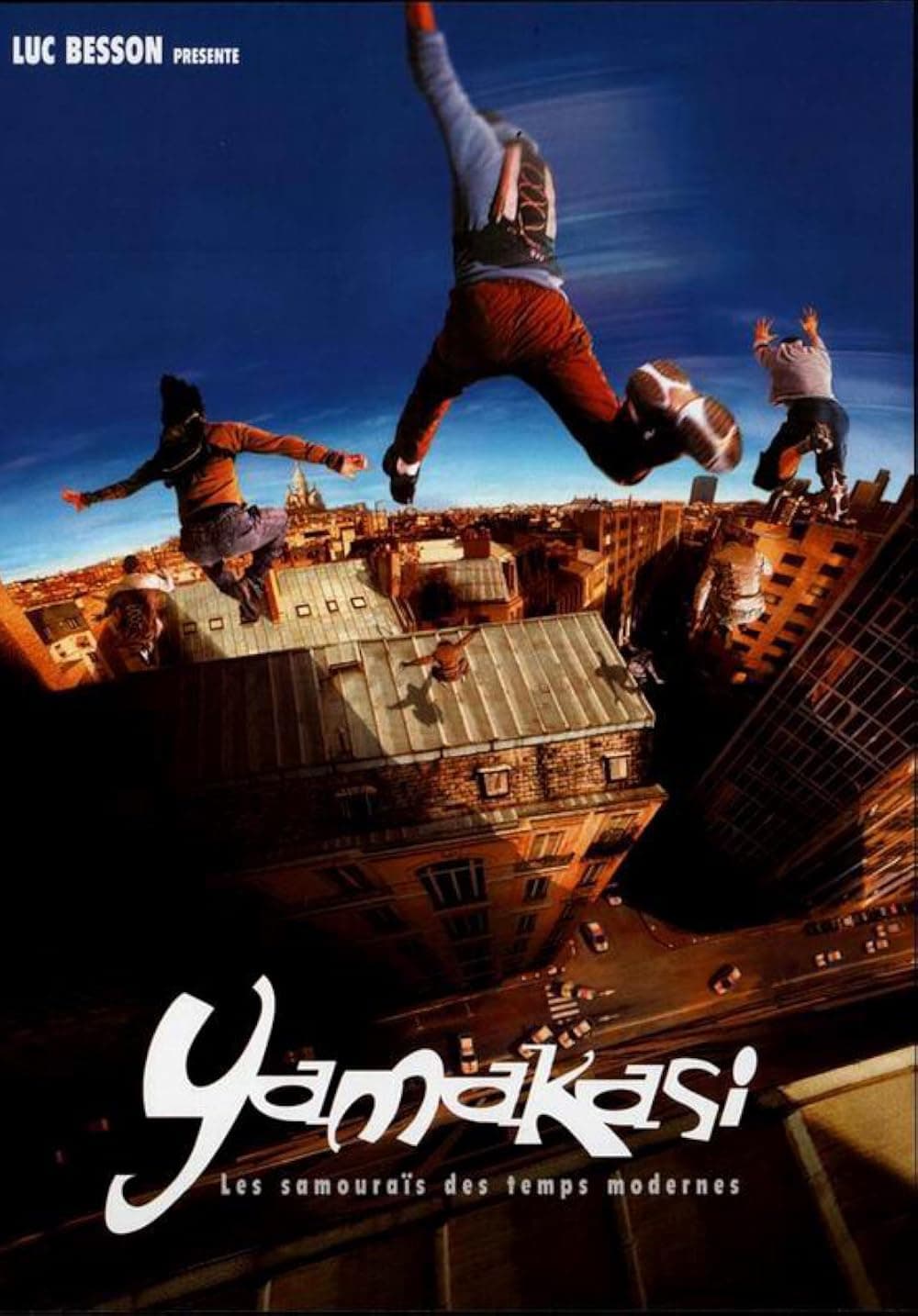
When Yamakasi put seven Paris traceurs in motion, parkour stopped looking like a local training code and started reading like a film language. Ariel Zeitoun’s 2001 French action feature, Yamakasi - Les samouraïs des temps modernes, drew directly from the real collective tied to parkour’s origins and showed rooftops, wall climbs and chase lines as one continuous discipline.
The real Yamakasi behind the screen
Parkour’s roots in France reach back to the late 1980s, when David Belle, Yann Hnautra, Chau Belle, Laurent Piemontesi, Williams Belle, Sébastien Foucan, Malik Diouf, Guylain N’Guba Boyeke and Charles Perriere built the practice as a physical discipline rather than a stunt reel. That origin matters because Yamakasi did not invent the movement; it translated an already-formed subculture into a story the wider public could read at a glance.
The film opened in France and Belgium on April 4, 2001, then moved through a Czech Republic festival on July 8, the Netherlands on August 2 and Hungary on August 16. In the United States, Box Office Mojo lists a domestic release on January 18, 2002 and a domestic gross of $184,441, a small commercial footprint that still marks a clear international journey from French screens to an American niche audience.
How the movie made parkour legible
What Yamakasi did exceptionally well was give movement a grammar. The film placed parkour in an urban Paris setting and centered seven practitioners, turning vaults, leaps, climbs and rooftop transitions into a coherent visual system instead of isolated tricks. A Film Blitz review framed it as an urban Paris action piece built around seven practitioners, and that is exactly how the movie works for viewers encountering the discipline for the first time.
That clarity mattered because parkour had no broad mainstream vocabulary in 2001. Yamakasi made the city itself feel like the opponent, with walls, ledges and gaps becoming part of the performance. The film’s value was not only that it showed people moving fast over architecture, but that it taught audiences how to watch that movement as a style with rules, rhythm and intent.
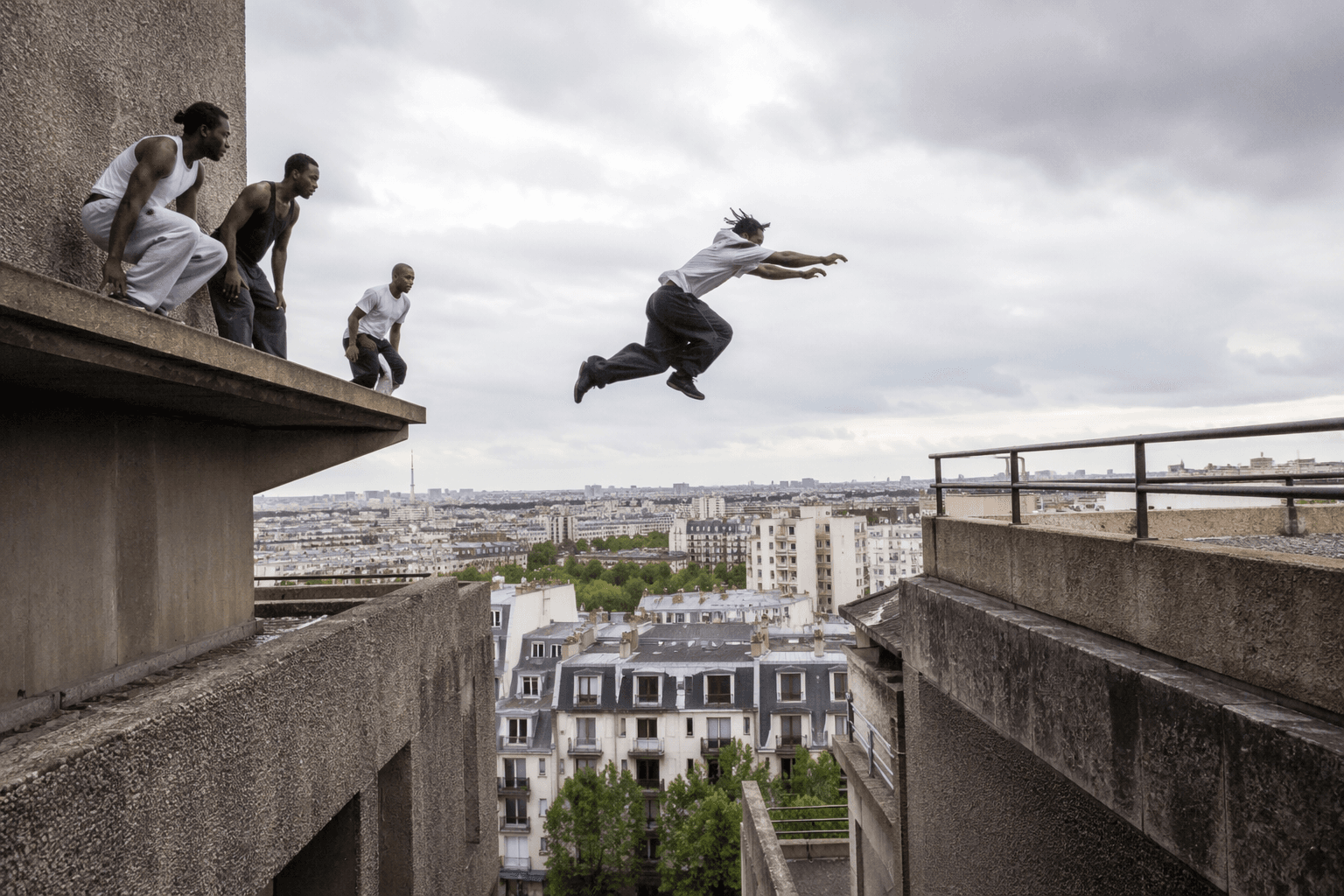
The movie also arrived before social media turned short clips into the normal way movement sports spread. Its rooftop routes and chase sequences became a kind of shorthand that later action films and video games borrowed when they wanted to suggest agility, escape and urban fluency. The city-as-obstacle-course idea now feels familiar, but Yamakasi helped make it visible.
What it captured accurately
The film understood parkour’s collective core. The real discipline was built by a group, not by a lone star, and Yamakasi preserved that group identity by putting the Yamakasi collective at the center of the action. It also respected the idea that traceurs are measured by efficiency, control and flow, not by showmanship alone.
That is why the film still lands with parkour audiences. It captured the discipline’s ethos of reading a route, committing to it and moving through the built environment with purpose. Even when the camera heightens the drama, the underlying logic remains familiar to anyone who has watched a serious traceur pick a line across a wall, roof or stairwell.
A contemporary ScreenDaily review shows the film was noticed as a serious action title, not just a curiosity about a new physical style. That critical attention helped establish Yamakasi as more than a novelty: it was part of the early conversation about how parkour could be staged, filmed and understood.
What it mythologized for mainstream appeal
The same film that clarified parkour also dressed it in legend. Paris Voice called the group “France’s new urban superheroes,” a framing that says a lot about how mainstream media wanted to understand them. Once the Yamakasi became superheroes in the public imagination, their discipline could be consumed as spectacle as much as practice.
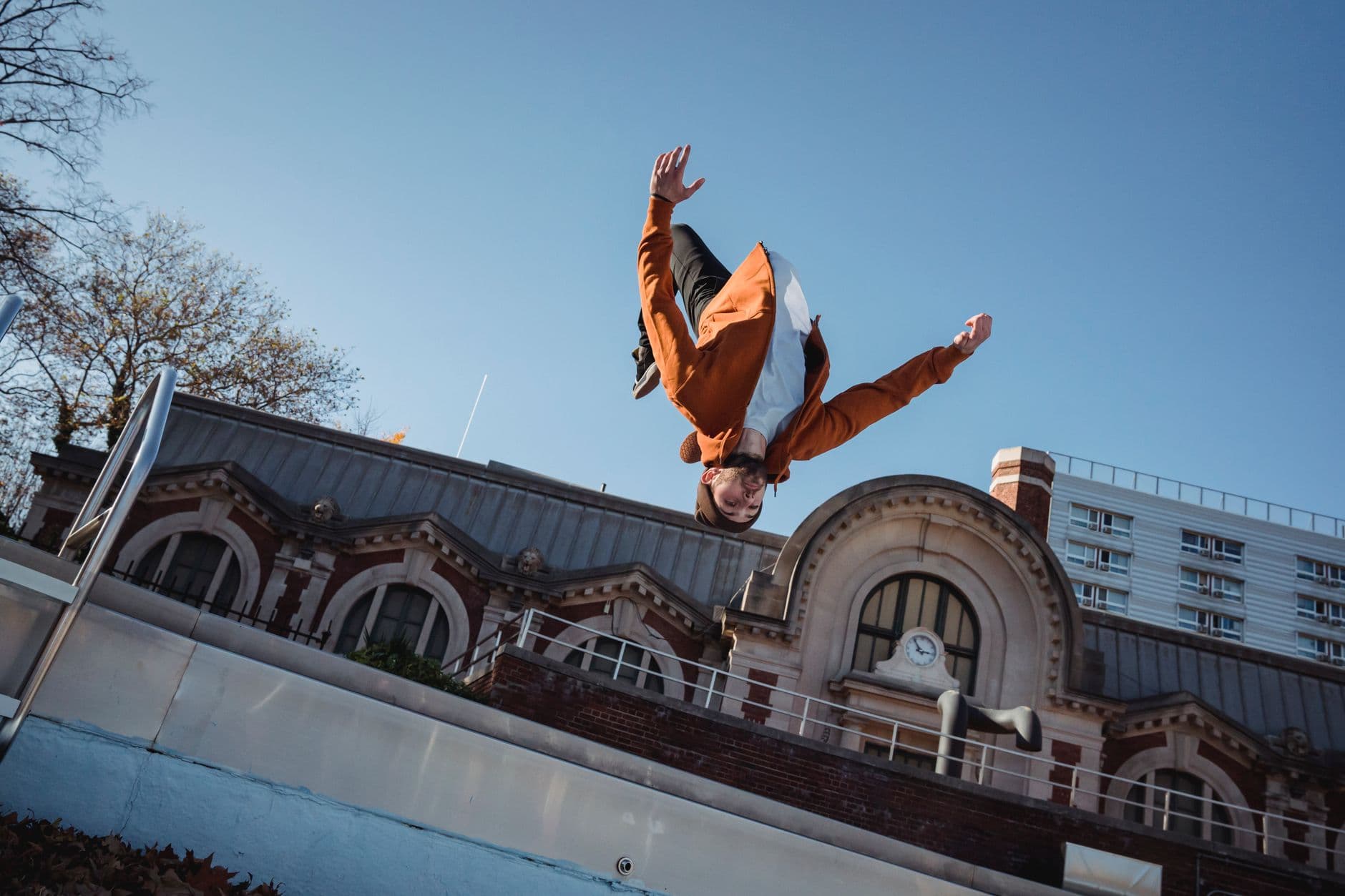
That mythmaking was useful, because it widened the audience. It also created a split that still defines parkour conversations today: some fans remember the film for its style and its energy, while athletes tend to separate the real training culture from the larger-than-life screen image. The tension between authentic movement and cinematic exaggeration has never really gone away.
Yamakasi also pushed the group into a mythic historical role. By casting the pioneers as screen protagonists, the film gave parkour a face for international viewers and helped lock the original practitioners into the sport’s origin story. That kind of visibility can elevate a discipline, but it can also freeze it into an image that later generations have to correct or reinterpret.
Why the split still shapes parkour culture
That divide between lived practice and screen mythology is now part of parkour’s identity. Fans still talk about clips, chase scenes and level design through the lens that Yamakasi helped establish, where the city is a playable space and the athlete’s line through it carries narrative weight. The film’s influence lives not only in parkour-specific media but in the way action cinema frames pursuit, escape and urban movement.
The lasting business lesson is simple: Yamakasi proved that a local movement culture could travel internationally when it found the right visual form. The film’s release path across France, Belgium, festival circuits in the Czech Republic, the Netherlands, Hungary and the United States shows how quickly that vocabulary crossed borders, even without the amplification of today’s digital platforms.
That is why Yamakasi remains more than a film title in parkour history. It was one of the first widely seen productions to put the discipline’s pioneers at the center of the frame, and it gave the world a way to see parkour as a cinematic language that could be read, quoted and reworked long after the credits rolled.
This article was produced by Prism’s automated news system from verified source data, official records, and press releases, then run through automated quality and moderation checks before publishing. The system is built and supervised by the people who set the standards it runs under. Read our full AI policy.
Did this article answer your question?