Agassi Backs Pickleball Boom in China, Cites 600 Events Planned for 2026
Agassi called China pickleball-ready on his April 9 visit, but 600+ events planned for 2026 raise a harder question: is the infrastructure there to match the ambition?
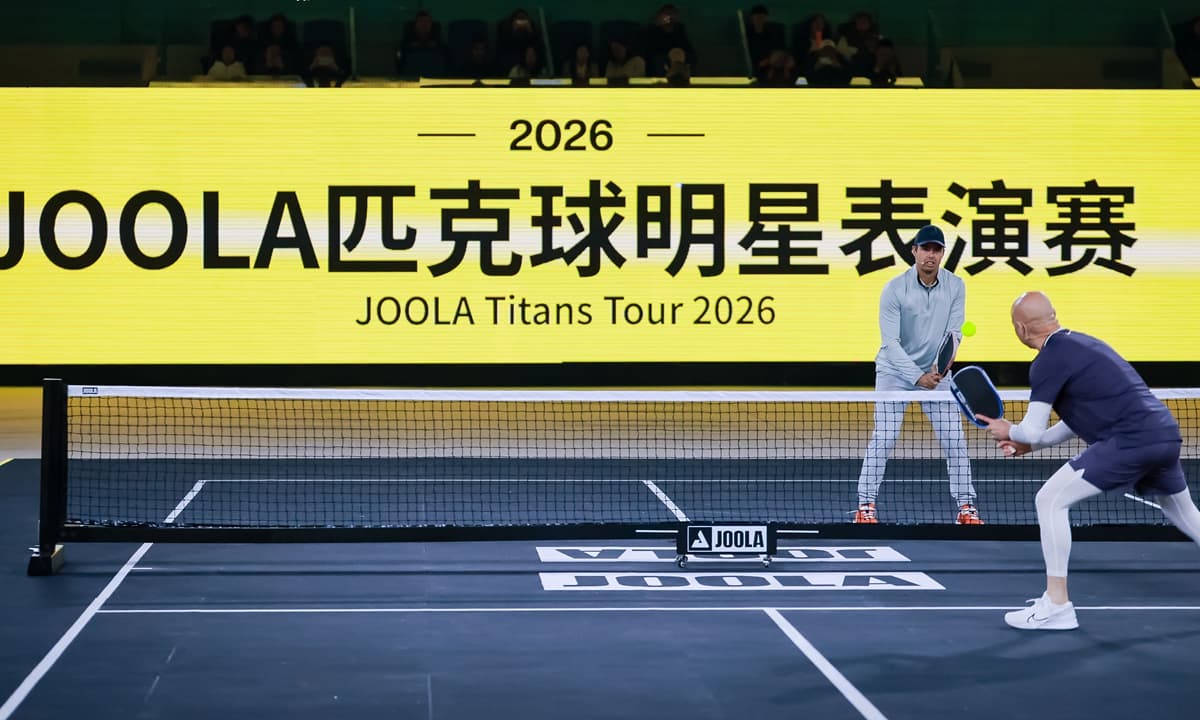
Andre Agassi's endorsement of pickleball's Chinese expansion is easy to headline. The harder question is whether the country's tournament calendar can deliver on its scale.
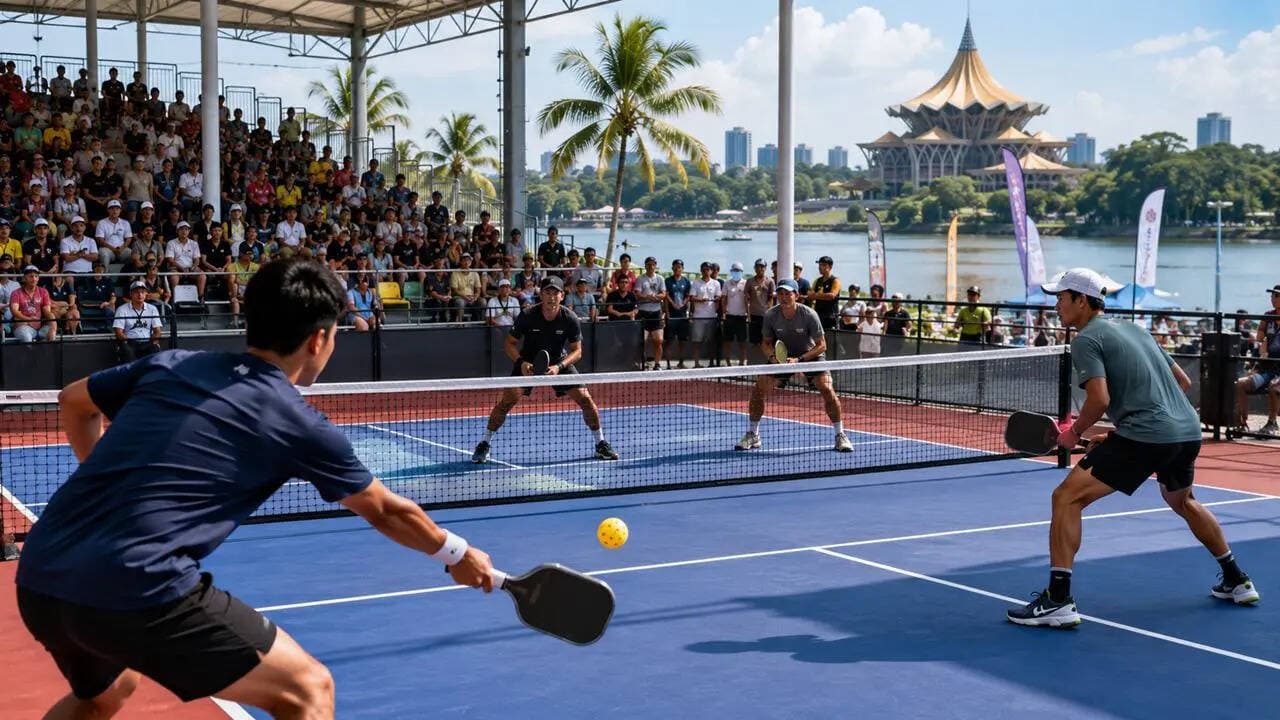
Agassi, an eight-time Grand Slam champion turned pickleball advocate, made his case during a visit to China on April 9, arguing the country holds "all the ingredients" for the sport's next global leap. Organizers cited a figure that commands attention: more than 600 pickleball tournaments scheduled across China in 2026, a number that would represent one of the densest domestic event calendars the sport has produced anywhere in the world.
The sport reached Agassi through his family. "What got us into it was us playing together as a family," he said, before describing an appeal that extended well beyond backyard rallies: "a physical outlet, there was a mental challenge, and there was a nuance to it that made us feel every day from the first day that we can get better." That combination of accessibility and competitive depth is precisely what pickleball's backers believe gives it a mass-market ceiling that other racket sports have never reached in China.
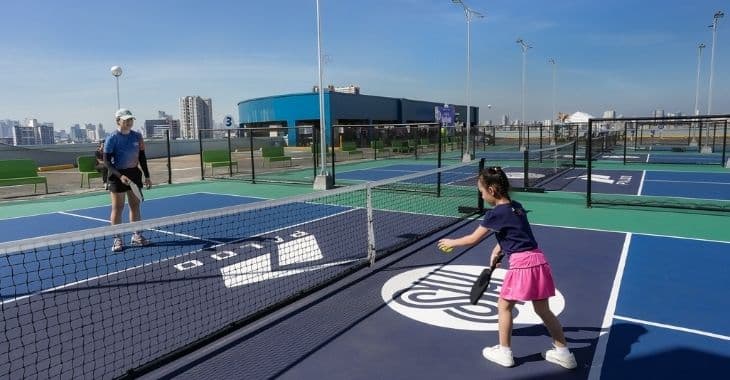
But 600-plus events across a country this size don't run on celebrity enthusiasm alone. Each tournament requires certified referees, trained coaches capable of onboarding first-time players, adequate court surfaces, and a supply chain that can stock paddles and balls at competitive prices. Online equipment sales in China have surged more than sixfold year over year, according to recent industry data, signaling genuine consumer demand. Converting that interest into repeat competitors, from a first rally to a registered tournament entry, is the structural challenge that no amount of star power resolves.
The Asia Federation of Pickleball has been building its officiating infrastructure to meet exactly this kind of demand, offering referee and coach certification programs through partnerships with the International Pickleball Teaching Professional Association and the Professional Pickleball Registry. The International Pickleball Teaching Professional Association also launched a Junior Development Program in Guangzhou. Those pipelines matter because China's expansion needs to produce durable participant communities rather than a single wave of social players who never return to competition.
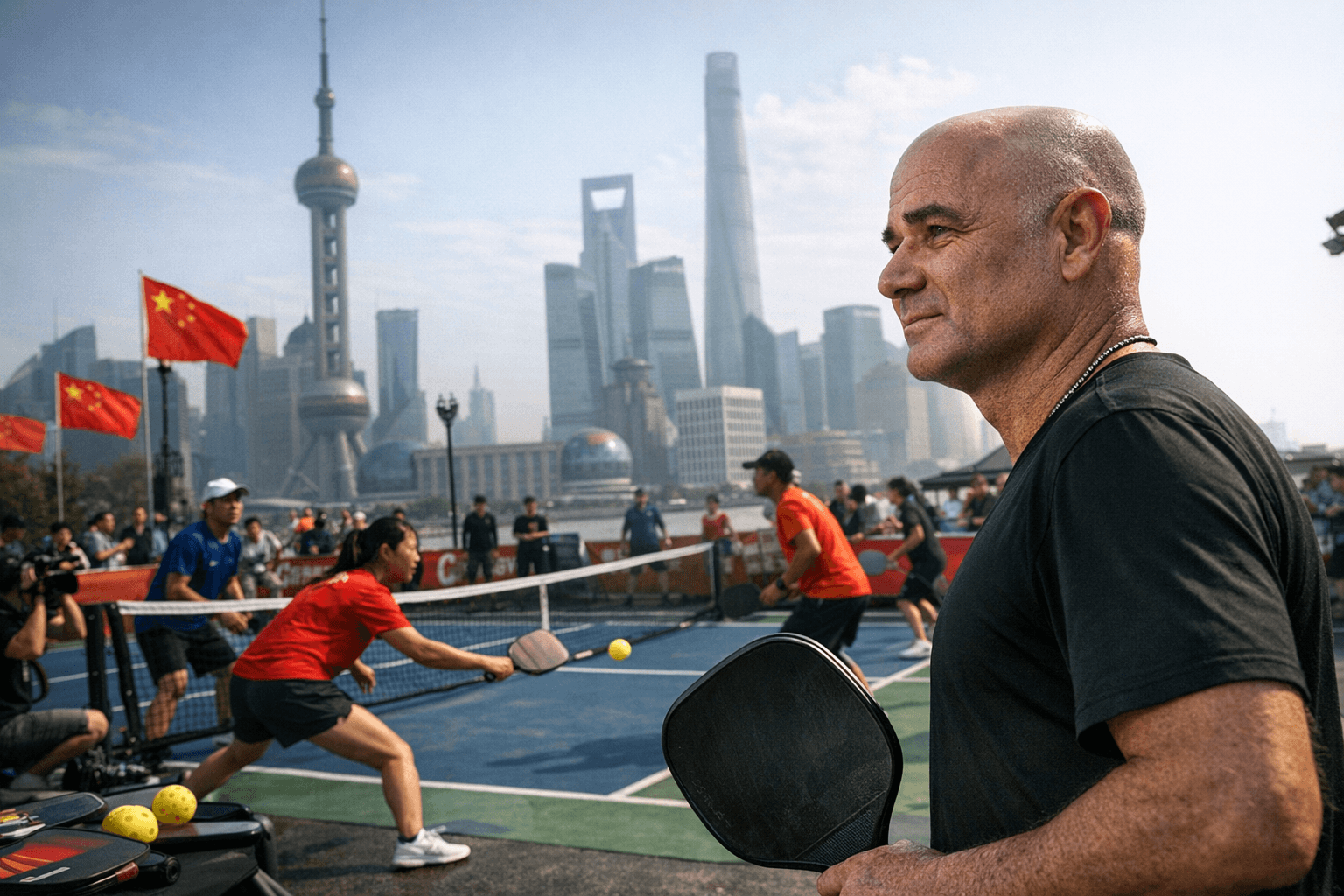
Agassi signaled he understands the stakes. He said he wanted to "double down on the participation side" precisely because pickleball is "still in its infancy" in many markets. He also raised a longer-term structural vision, discussing the concept of a "World Series of Pickleball" as a framework for organizing international competition across the markets he is working to develop.
The commercial opportunity is real. McKinsey analysts have flagged racket sports as one of China's fastest-growing participation categories, and projections place the country at 10,000 courts within five years. But those courts need certified instructors on them, qualified officials running draws, and beginner programming that gives first-time social players a reason to come back the following weekend.
A boom stoked by one of tennis's most recognizable names buys visibility and press. Whether it also funds the certified coaches, referee pipelines, and school programs that turn a viral sport into a durable competitive ecosystem is what China's 2026 calendar will actually put to the test.
This article was produced by Prism’s automated news system from verified source data, official records, and press releases, then run through automated quality and moderation checks before publishing. The system is built and supervised by the people who set the standards it runs under. Read our full AI policy.
Did this article answer your question?