AIPA registers Mauli School students on DUPR to launch Para Pickleball pathway
AIPA registered Mauli School students on DUPR, giving deaf and differently-abled players official ratings and a clear pathway into sanctioned pickleball competition.
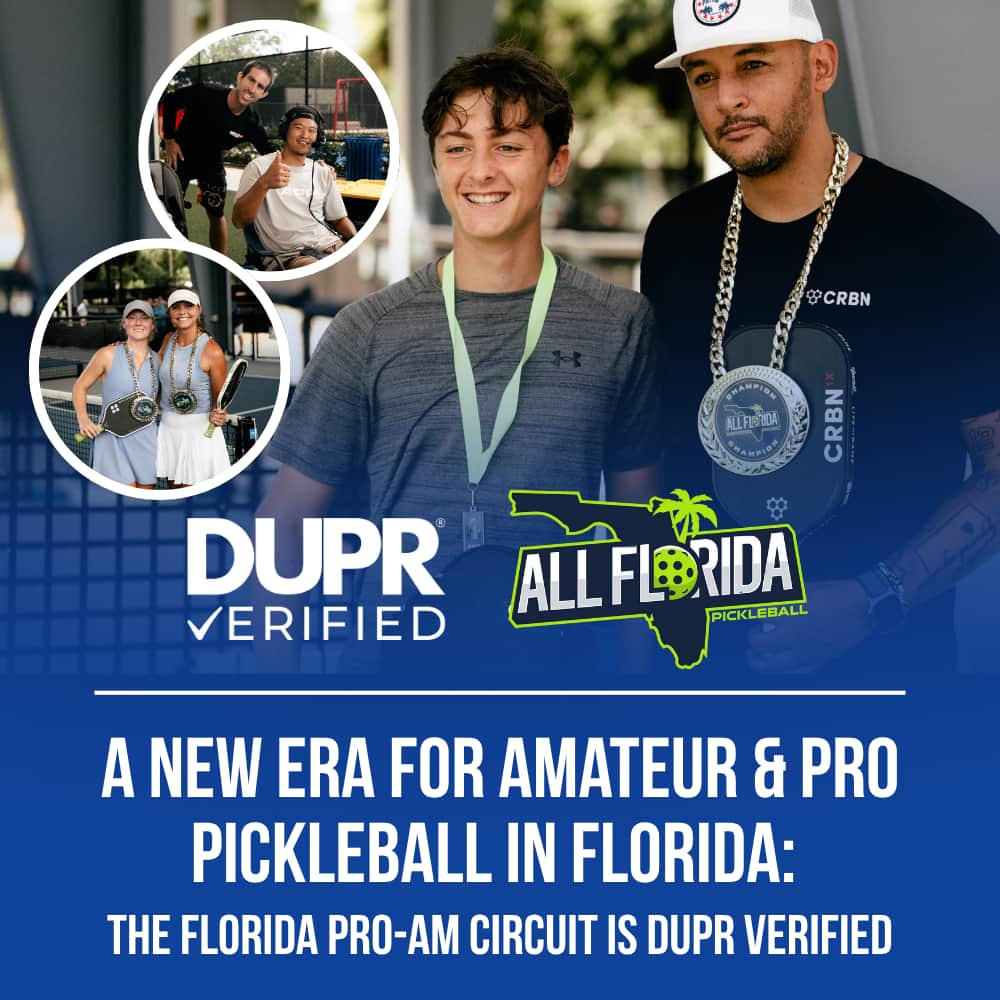
The All India Pickleball Association has taken a concrete step to open competitive pickleball to deaf and differently-abled athletes by registering students from Mauli School for Differently Abled on DUPR, the Dynamic Universal Pickleball Rating system. The move integrates these students into the same structured competitive pathway used by mainstream players, enabling official ratings, entry into sanctioned events, and access to coaching and recognition.
AIPA announced the registrations on January 14, 2026, saying the programme is designed to make pickleball more inclusive and to provide a clearer development pathway for para athletes. By assigning DUPR scores, the association creates objective measures to seed players, track progress through match play, and qualify for tournaments that require a rating for entry. For athletes and coaches, that means clearer benchmarks for training plans, match scheduling, and competitive goals.
From a performance standpoint, official ratings change the game for Mauli School students. DUPR ratings translate practice and local play into quantifiable results that tournament directors use for draws and seeding, so young para players can expect more competitive balance and meaningful matchups. Coaches can use rating trends to tailor drills, measure improvement across specific skill sets such as serve consistency, volley control, and court positioning, and prepare athletes for higher-stakes environments. Integrating para players into the DUPR ecosystem also allows comparison against broader regional performance standards, which can accelerate development by highlighting gaps and milestones.
The initiative fits with larger industry trends as pickleball continues rapid growth across Asia and globally. Governing bodies are increasingly formalizing competitive structures, and inclusion programs create new talent pipelines and market opportunities. For organizers and sponsors, para pathways broaden audiences and create events with stronger community and social value. For clubs and academies, the need for accessible court time, adaptive coaching techniques, and specialized equipment will grow as para athletes move from exhibition to sanctioned competition.
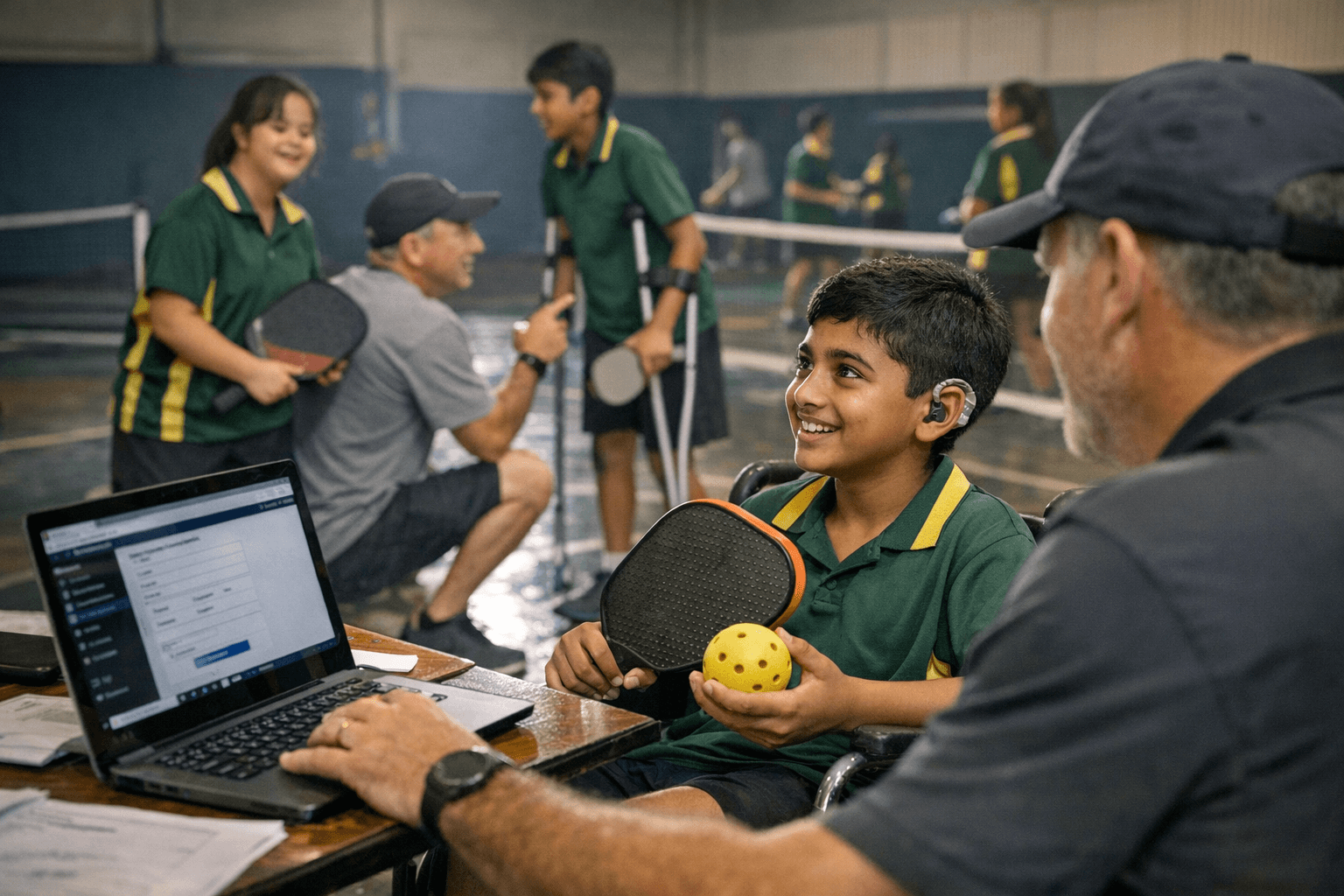
Culturally, the registration affirms sport as a platform for inclusion in India. Bringing students from Mauli School into a national rating system raises visibility for differently-abled athletes and challenges perceptions that competitive sport is the preserve of able-bodied players. Socially, the move can strengthen community ties, provide role models for younger players with disabilities, and push institutions to invest in accessibility and adaptive coaching education.
Challenges remain: sustained coaching resources, accessible facilities, and a calendar of para-friendly sanctioned events will be necessary for the pathway to produce elite-level performers. For fans and stakeholders, the practical next steps are to watch for these students in upcoming sanctioned events, track their DUPR progress, and support initiatives that expand court access and coaching. The AIPA registration is an opening serve - what follows will determine how quickly India's para pickleball scene can rally into a competitive force.
This article was produced by Prism’s automated news system from verified source data, official records, and press releases, then run through automated quality and moderation checks before publishing. The system is built and supervised by the people who set the standards it runs under. Read our full AI policy.
Did this article answer your question?