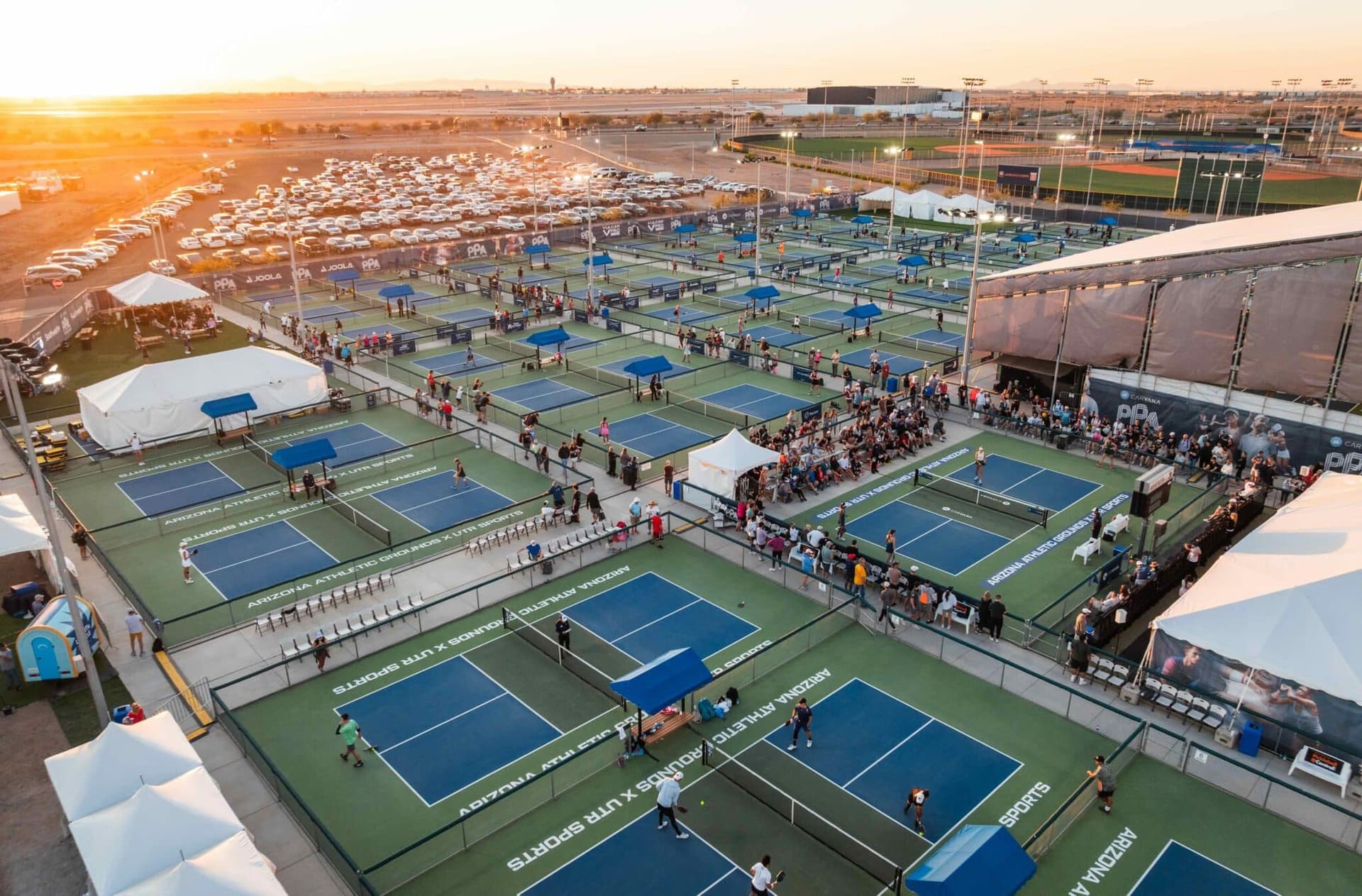
AmBank Malaysia pickleball championship blends sport, wellness and family fun
Malaysia’s biggest pickleball events are starting to look less like brackets and more like branded weekends. The AmBank championship is the clearest sign yet.
Pickleball is becoming a business weekend, not just a sports weekend
The AmBank Malaysia Pickleball Championship is no longer being sold as a simple draw-and-play tournament. In Malaysia, it is being packaged as a full lifestyle weekend, with sport on one side and wellness, family activity, food, and brand activation on the other.
That is the real story here: pickleball is moving from niche competition to mainstream participation business. The field is getting bigger, the prize money is rising, and the event ecosystem around it is expanding fast enough to pull in banks, medical brands, fitness labels, food and beverage names, and first-time players at the same time.
What the championship is and why it matters
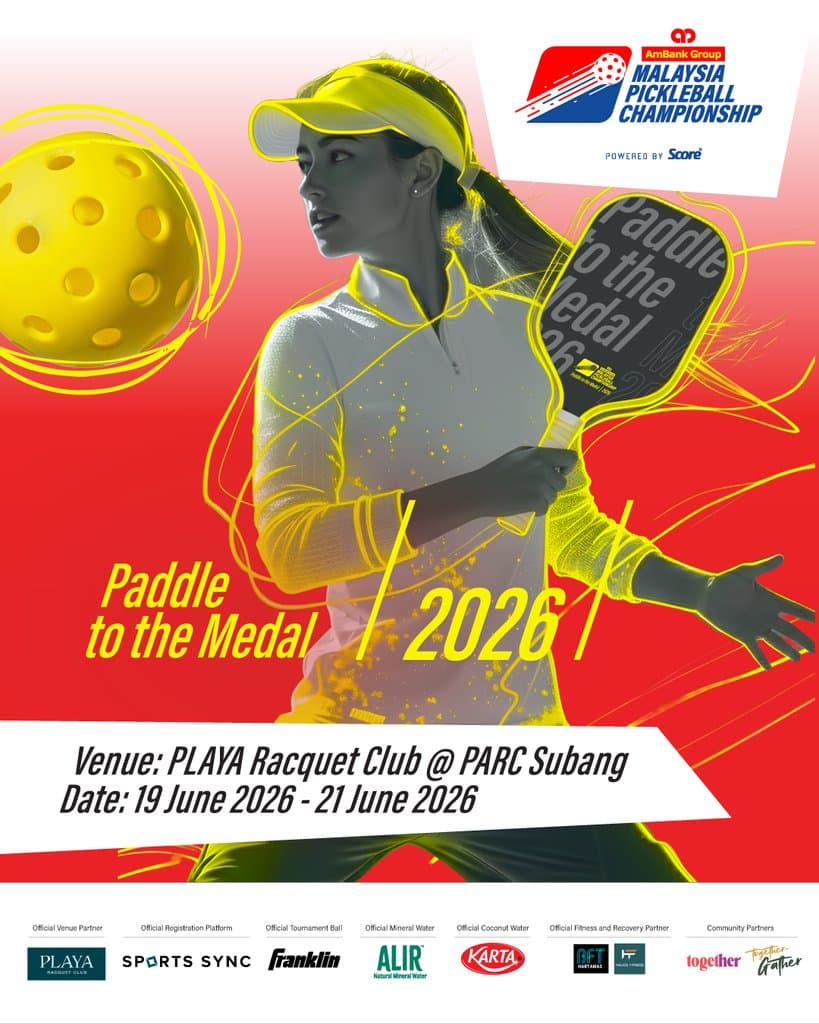
The 2026 edition runs from June 19 to 21 at PLAYA Racquet Club @ PARC Subang, with AmBank back as title sponsor for a second straight year. Organizers are targeting 600 participants, up from 500 in the inaugural 2025 edition, and the prize pool has climbed from RM50,000 to RM66,000.
That jump matters because it shows the tournament is growing in two directions at once: higher competitive stakes and broader consumer appeal. New Straits Times has also reported that the event is expected to attract over 600 competitors from 10 countries, which puts this well beyond a local club meet and closer to a regional showcase.
The more interesting question is whether the “lifestyle event” label is real or just glossy marketing. In this case, the numbers point to a genuine shift. A 600-player target, a larger purse, and a multi-brand weekend format are not the markers of a sport that is still trying to prove itself. They are the markers of one that already has a crowd.
How the weekend is being built around the sport
The Star framed the championship as a wholesome experience, and the details back that up. Visitors can expect wellness activations, interactive booths, pop-up vendors, and family-friendly programming across the three-day run. The Together-Gather pop-up market is designed to bring fitness, health, and lifestyle brands into the same space as the matches.
The sponsor mix tells you exactly how pickleball is being commercialized in Malaysia. Alongside AmBank are names such as Sunway Medical Centre, Tealive, Super Matcha, Franklin Pickleball Malaysia, Natureloop, Karta, Alir, Pati Espresso, BFT, and Helios. This is not just racket-sport money. It is a cross-section of health, food, fitness, and consumer lifestyle brands trying to get in front of a crowd that is younger, social, and already spending.

That matters because pickleball’s growth has always been about more than elite-level play. It pulls in people who want competition, yes, but also those who want something easy to try, easy to learn, and easy to turn into a family outing. This championship leans hard into that reality.
The women-focused piece is not an afterthought
One of the sharper moves in the event design is TogetHER, a women-focused initiative built around workshops and sharing sessions on wellness, empowerment, and connection. That gives the championship a broader social footprint than most tournaments, and it helps explain why the event is being framed as a destination rather than a draw sheet.
This is where pickleball’s business case gets stronger. A tournament that welcomes only serious players has a ceiling. A tournament that pulls in women, families, beginners, and non-playing visitors can keep growing without relying solely on elite competition. That is what makes the Malaysian model worth watching. It is not chasing the narrowest possible definition of sport. It is building an occasion.
What players need to know before entering
The official event details are straightforward, and they matter if you are planning to play. Registration runs from March 17 to June 1, 2026. The championship includes Novice, Intermediate, and Open categories, and all categories require a partner, so individual registration is not allowed.
Fees are set at RM190 per person for Novice and Intermediate, and RM220 per person for Open. Matches are tentatively scheduled to begin at 8:00 a.m. each day, and participants must check in at least 30 minutes before their match. Players also need to bring their NRIC or passport and their own paddle.
That structure reinforces the event’s dual identity. It is accessible enough to pull in newer players, but it is still organized like a serious competition. Patricia Tan, the CEO of SCORE Sports Management, has said the aim is to raise competition standards while keeping the sport accessible and inclusive. That is exactly the balancing act this championship is built around.
Event basics at a glance
- Dates: June 19 to 21, 2026
- Venue: PLAYA Racquet Club @ PARC Subang
- Title sponsor: AmBank
- Categories: Novice, Intermediate, Open
- Fees: RM190 per person for Novice and Intermediate, RM220 per person for Open
- Check-in: At least 30 minutes before match time
- Start time: Tentatively 8:00 a.m. each day
- Equipment: Players must bring their own paddle
- Entry requirement: Partner required in all categories
Why the 2025 debut still matters
The 2026 championship did not appear out of nowhere. AmBank’s first edition ran from May 30 to June 1, 2025, at Pickle Nation in Shah Alam, and the bank said it brought together 500 pickleball and sports enthusiasts, including first-time players and seasoned pros of different ages and backgrounds.
That debut is important because it established the tone. The event was already being sold as inclusive, community-driven, and open to a wide range of players. The 2026 version is simply scaling that idea up, with more participants, more sponsor participation, more prize money, and a more layered off-court experience.
That is how a sport becomes a platform. First, it gets players. Then it gets families. Then it gets brands. Malaysia’s pickleball scene is now far enough along that all three are showing up in the same weekend.
The bigger picture in Malaysia
The Malaysia Pickleball Association says the sport now has more than 400,000 players, 73 tournaments, more than 472 venues, and over 500 certified coaches. It also frames pickleball as part of nation building and social development, which fits neatly with the family-friendly, community-first pitch around the AmBank championship.
Independent reporting and industry commentary have been pointing in the same direction, describing Malaysia as one of Asia’s fastest-growing pickleball markets. One Malaysia-focused report cited a 700% year-on-year increase in participation, while venue directories now list more than 280 facilities in the country, with another directory putting the figure at 400-plus premium venues.
That infrastructure boom is the part that makes the lifestyle framing credible. Courts, coaches, events, and sponsors are all multiplying at once. The AmBank championship is not just a tournament on that map. It is a snapshot of where the market is heading: bigger fields, broader audiences, and a sport that is being sold as something you do with your weekend, your family, and your brand wallet all at the same time.
This article was produced by Prism’s automated news system from verified source data, official records, and press releases, then run through automated quality and moderation checks before publishing. The system is built and supervised by the people who set the standards it runs under. Read our full AI policy.
Did this article answer your question?