Asia's Pickleball Ecosystem for Organisers, Media and New Fans
Asia's pickleball scene is consolidating around regional tours, franchise leagues and national championships, reshaping opportunities for organisers, media and new fans.

Pickleball in Asia has moved rapidly from grassroots pick-up play to an organised, multi-tiered ecosystem that matters to organisers, media and new fans. The sport now centers on regional circuits such as PPA Tour Asia, franchise experiments like the World Pickleball League in India, the PCL Asia and PCL Philippines events, and a growing slate of national championships including Vietnam and other national federations. That structure is starting to define pathways for pro players, venue operators and broadcasters across the region.
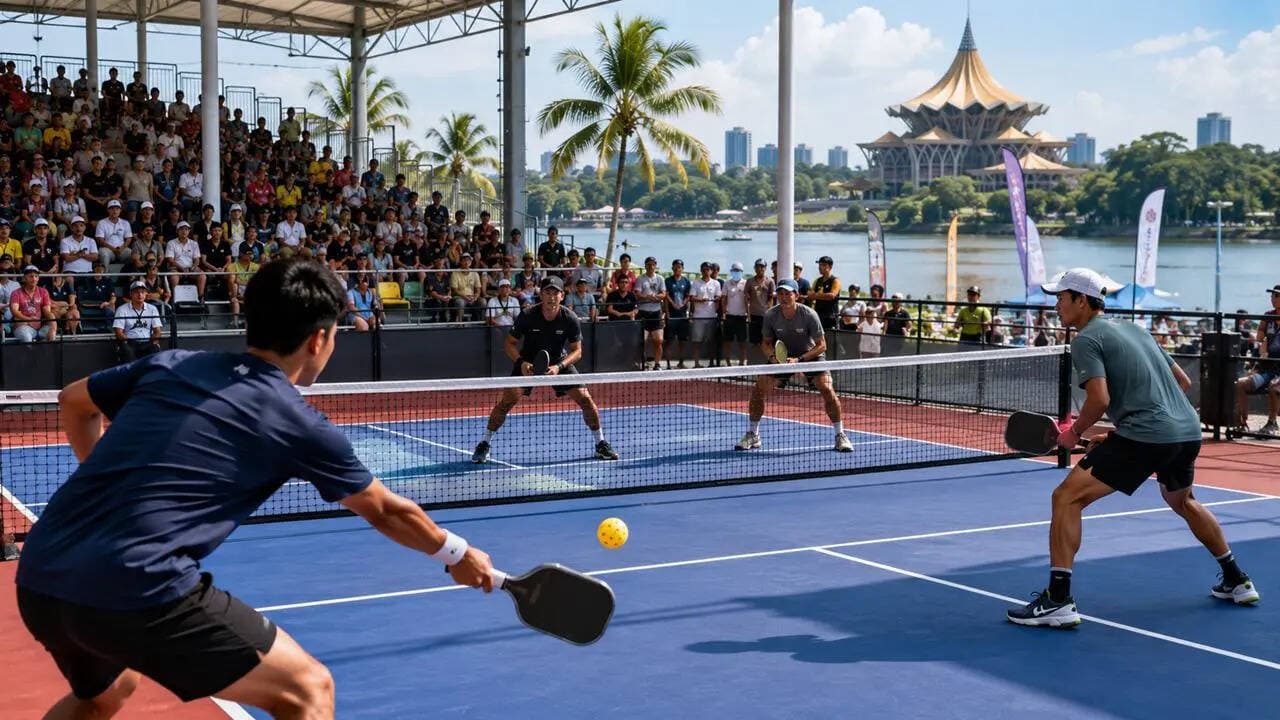
At the top level, PPA Tour Asia brings PPA-branded events into multiple markets, raising competitive standards and offering a clearer calendar for touring pros and international pairings. PCL Asia and the PCL Philippines provide regional competitive platforms that blend local talent with visiting professionals, while India's WPBL franchise model tests team-based, market-driven formats intended to attract sponsors and city-based fanbases. National championships remain vital as talent pipelines and selection platforms for regional meets.
For organisers, the implications are practical and strategic. Scheduling must balance PPA Tour Asia stops with domestic calendars to avoid calendar congestion and protect player welfare. Venue selection matters: indoor mall courts and multi-use sports centers work for spectator convenience and broadcast setups, but organisers should budget for professional court surfacing, lighting rigs, and broadcast-friendly sightlines. Franchising in the WPBL model introduces new revenue channels - media rights, local sponsorships and merchandising - but requires robust governance, salary structures and competitive parity rules to sustain credibility.
Media entities face both opportunity and challenge. Pickleball's fast, point-by-point action is ideal for short-form clips and highlights that travel on social platforms, while full-match broadcasts need commentary teams who speak pickleball language - dink, kitchen management, third-shot drop - and can explain tactical shifts to new fans. Streaming packages and highlight-driven social strategies will likely out-perform traditional long-form broadcasts initially. Rights holders and federations should consider tiered content: live streams for core fans, curated short-form highlight reels for discovery, and educational segments to convert tennis and badminton players.
From a performance standpoint, the regionalisation of competition is changing playstyles. Players moving between circuits encounter more aggressive serves and pressure-filled transition play, forcing emphasis on reliable third-shot drops and non-volley-zone control. Coaches and academies in Asia need to align training with these tactical demands, while talent scouts should watch national championships for rising doubles specialists who can adapt to both franchise and tour formats.
Culturally, pickleball is carving space in dense Asian urban centers by leveraging existing racket-sport communities. Its lower equipment and facility thresholds compared with tennis make it appealing in community centers and corporate wellness programs. The sport's inclusive appeal boosts mixed-gender play and intergenerational participation, which strengthens sponsor narratives around family and lifestyle.
For organisers, rights holders and new fans, the next steps are clear: invest in broadcast-friendly infrastructure, coordinate calendars across PPA Tour Asia and national bodies, and tailor content strategies to short-form discovery and match-level storytelling. As regional tours, franchise leagues and national championships mature, Asian pickleball is poised to convert casual curiosity into sustainable sport-business models and deeper fan engagement.
This article was produced by Prism’s automated news system from verified source data, official records, and press releases, then run through automated quality and moderation checks before publishing. The system is built and supervised by the people who set the standards it runs under. Read our full AI policy.
Did this article answer your question?