Asia’s pickleball future takes shape in Vietnam, China and India
Vietnam, China and India are racing to build pickleball factories, and the first country to scale juniors, schools and academies will own Asia’s next medal wave.
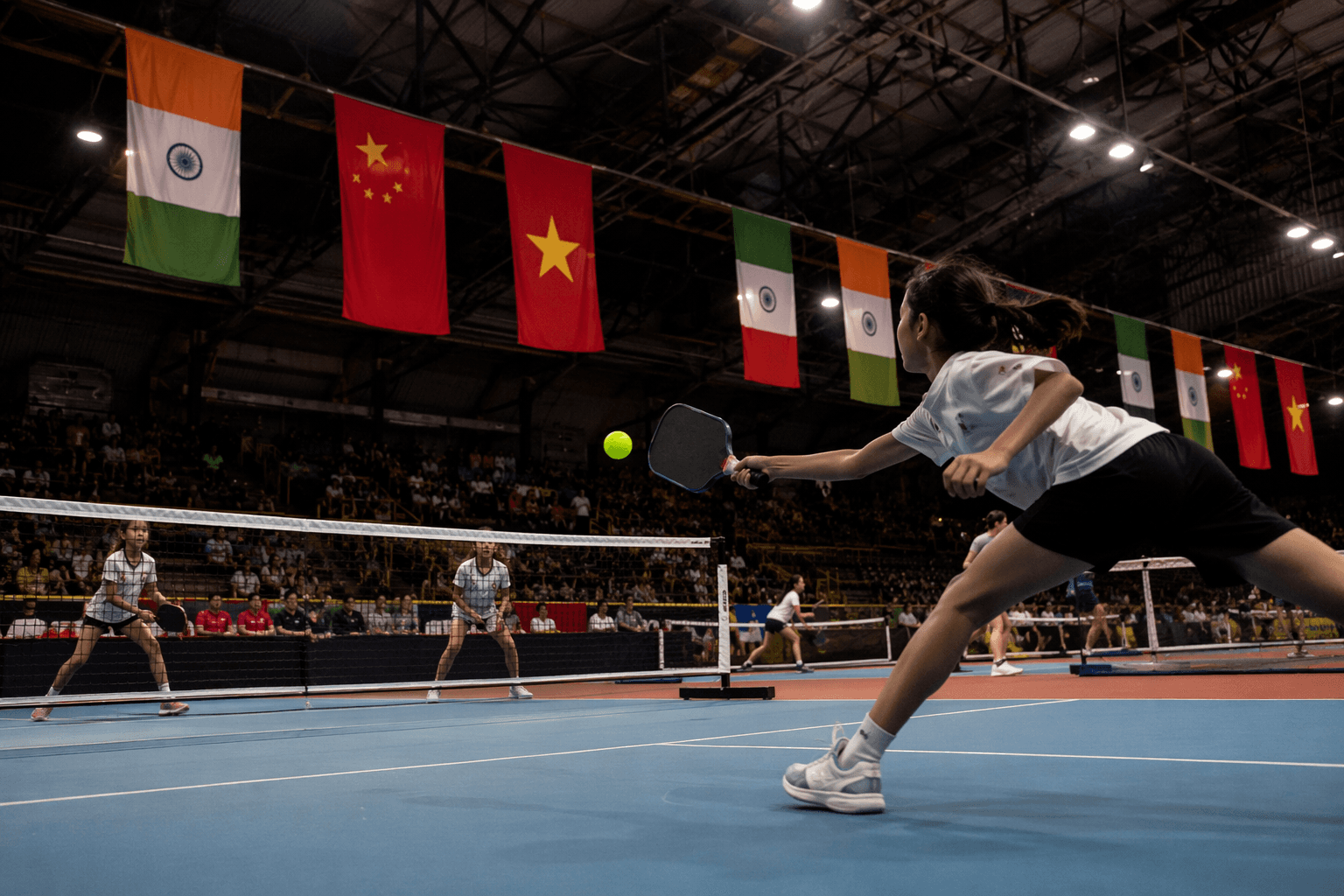
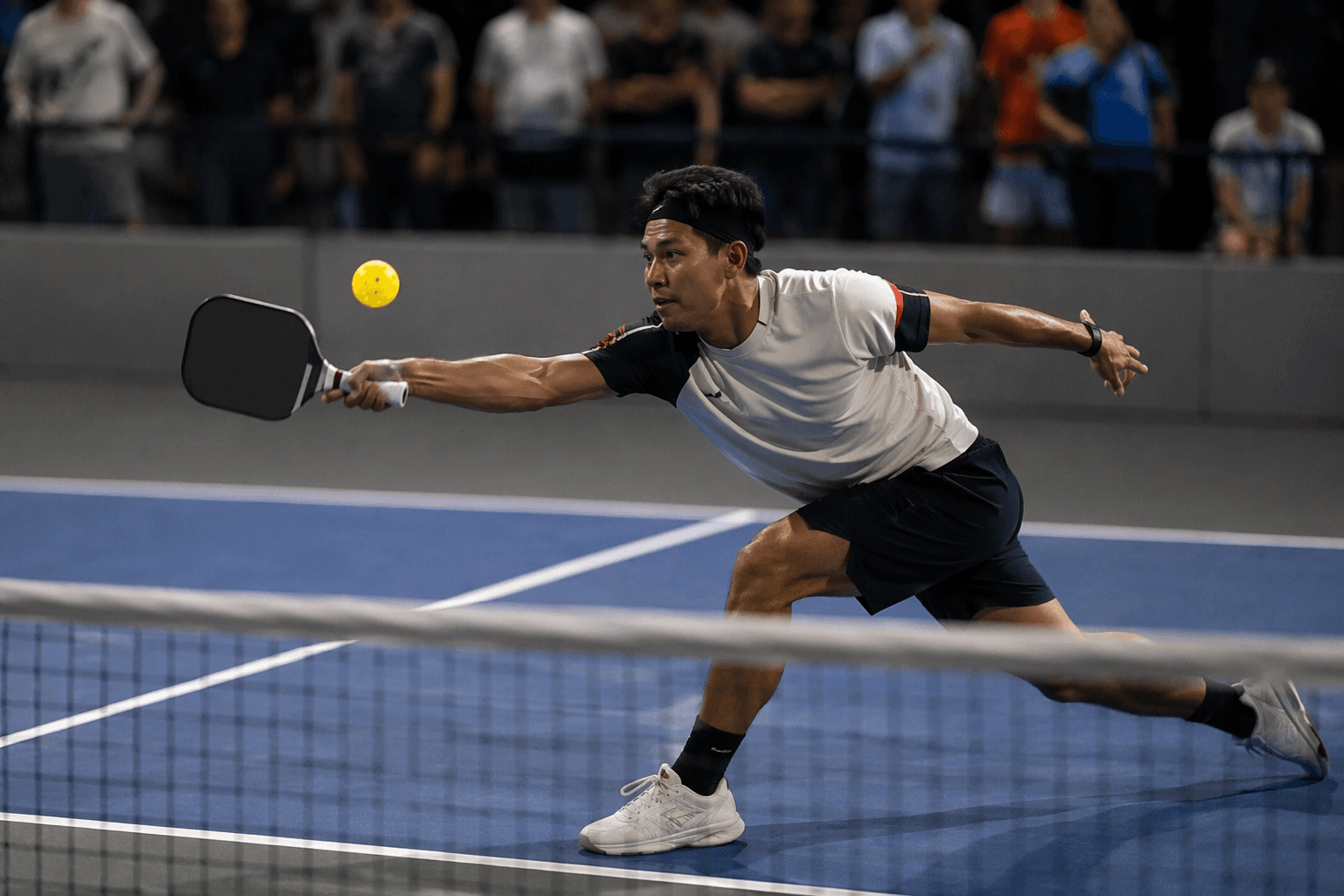
Asia’s pickleball race has moved past adult recreation and into the harder business of building players from the ground up. Vietnam, China and India are attacking that problem with academies, school pathways, exchange trips and federation-backed tournaments, and the country that scales fastest will shape the region’s medal map and market power. The difference now is not who can stage the flashiest pro event, but who can turn a junior into a repeatable talent.
Vietnam builds the clearest factory
AFPickleball’s Asia Pickleball Junior Network has already said exactly what it is trying to do: “Growing future stars of pickleball.” That is the right language for this moment in Asia, because the sport no longer needs only more players, it needs a system that can keep finding the next one.
Vietnam has stacked several of those system pieces on top of each other. The Asia Pickleball Junior Open 2025 was held from 13 to 15 July 2025 in Quang Nam Province, Vietnam, and it was framed as a youth showcase for the region rather than a one-off weekend event. The same country also added a formal academic route when Da Nang Sport University launched a pickleball major, the first program of its kind in Vietnam’s central region.
That matters because majors and academies create more than court time. They create coaches, trainers and a common teaching method, which is how a sport gets beyond a few gifted kids and into something that can scale. TTC Group has positioned D-JOY Sports Academy as a strategic step to elevate Vietnamese pickleball and build a comprehensive training, competition and development ecosystem, and that is the kind of institutional language that usually shows up only when a sport is trying to move from hobby status to national pipeline.
India is wiring pickleball into schools and federation lanes
India’s move is different, and in some ways more aggressive. The Sports Gurukul and the Indian Pickleball Association launched the first National Inter-School Pickleball Championship, which pulls the sport into the educational framework instead of leaving it in clubs and weekend groups. That is how you build participation density fast: you put the sport where kids already are, then give them a ladder to climb.
The Indian Pickleball Association also planned sub-junior and junior World Cup trials in Ahmedabad, which gives age-group players a federation route with consequences beyond a local medal. Trials matter because they create selection pressure, and selection pressure creates standards. If you want a true junior factory, you need a stage where kids know the next match can actually change their standing.
The pro side of the structure is filling in too. The Indian Pickleball League describes itself as India’s first and only national franchise-based pickleball league, sanctioned by the Indian Pickleball Association. That does not just add another competition to the calendar. It gives the sport a top-end showcase that can sit above school championships and age-group trials, which is how a pathway starts to look like a real pyramid instead of a collection of events.
China is pairing exchanges with elite training signals
China’s path is quieter, but it is starting to look deliberate. Montgomery County Public Schools scheduled 31 student-athletes for a pickleball exchange trip to China from 9 to 21 April 2025, with stops in Shanghai, Shenzhen and Beijing. That is not the kind of trip you organize for a fringe sport with no future; it is the kind of exchange that builds exposure, relationships and a first taste of international competition.
The delegation got a notable national response when Chinese President Xi Jinping replied to a letter from the teachers and students involved. That detail matters because it shows pickleball is starting to appear in the country’s broader sports conversation, not just inside isolated clubs or social circles.
The more revealing sign is the academy layer. A pickleball-related post referenced an Asia Elite Pickleball Academy planned to open in March 2026 at Beijing Haidian Foreign Language Experimental School. Whether China’s pipeline ultimately comes through school partnerships, elite academies or exchange-based development, the common thread is structure. China has the scale to build one of the largest junior pools in Asia, but only if it turns curiosity into repeatable training systems.
The junior calendar is becoming the pipeline
The regional calendar is starting to reflect this shift. An Asia Pickleball Junior Open 2026 listing set registration to open on 1 June 2026 and close on 30 June 2026 in Salaya, Nakhon Pathom, Thailand. That kind of listing is small on its face, but it signals something bigger: junior pickleball is no longer locked inside one country’s borders. It is becoming a regional circuit with its own entry points and its own rhythm.
That is where the future money sits too. Sponsors do not just buy logos on a one-off bracket; they buy predictable access to families, schools, academies and repeat events. National teams do not just need one hot junior class; they need a system that keeps producing players after that class ages out. Vietnam is building the most obviously layered model with junior events, a university major and an academy push. India is building the school-to-federation lane. China is testing the combination of exchange, attention and elite-school infrastructure.
The countries that get this right first will do more than win more matches. They will define who the elite Asian players are, where they learn the game, and which brands, federations and national teams get to ride the wave next.
This article was produced by Prism’s automated news system from verified source data, official records, and press releases, then run through automated quality and moderation checks before publishing. The system is built and supervised by the people who set the standards it runs under. Read our full AI policy.
Did this article answer your question?