Stirling and Miyoshi stun top seed at Beijing Open in three games
Rob Stirling and Kenta Miyoshi toppled top seed Zane Ford 8-11, 11-8, 11-3 in Beijing, a three-game swing that cracked open the Capital Securities draw.
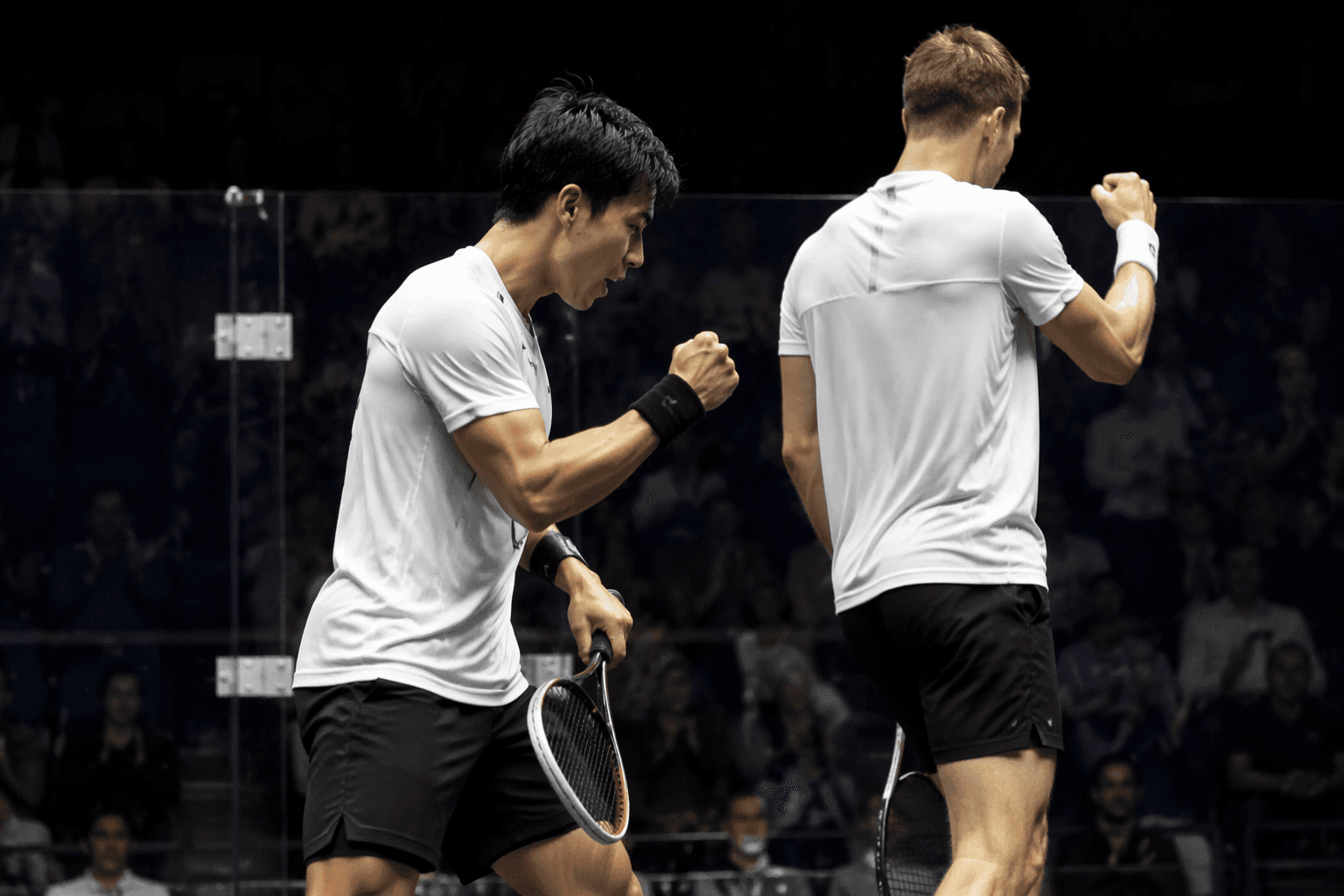
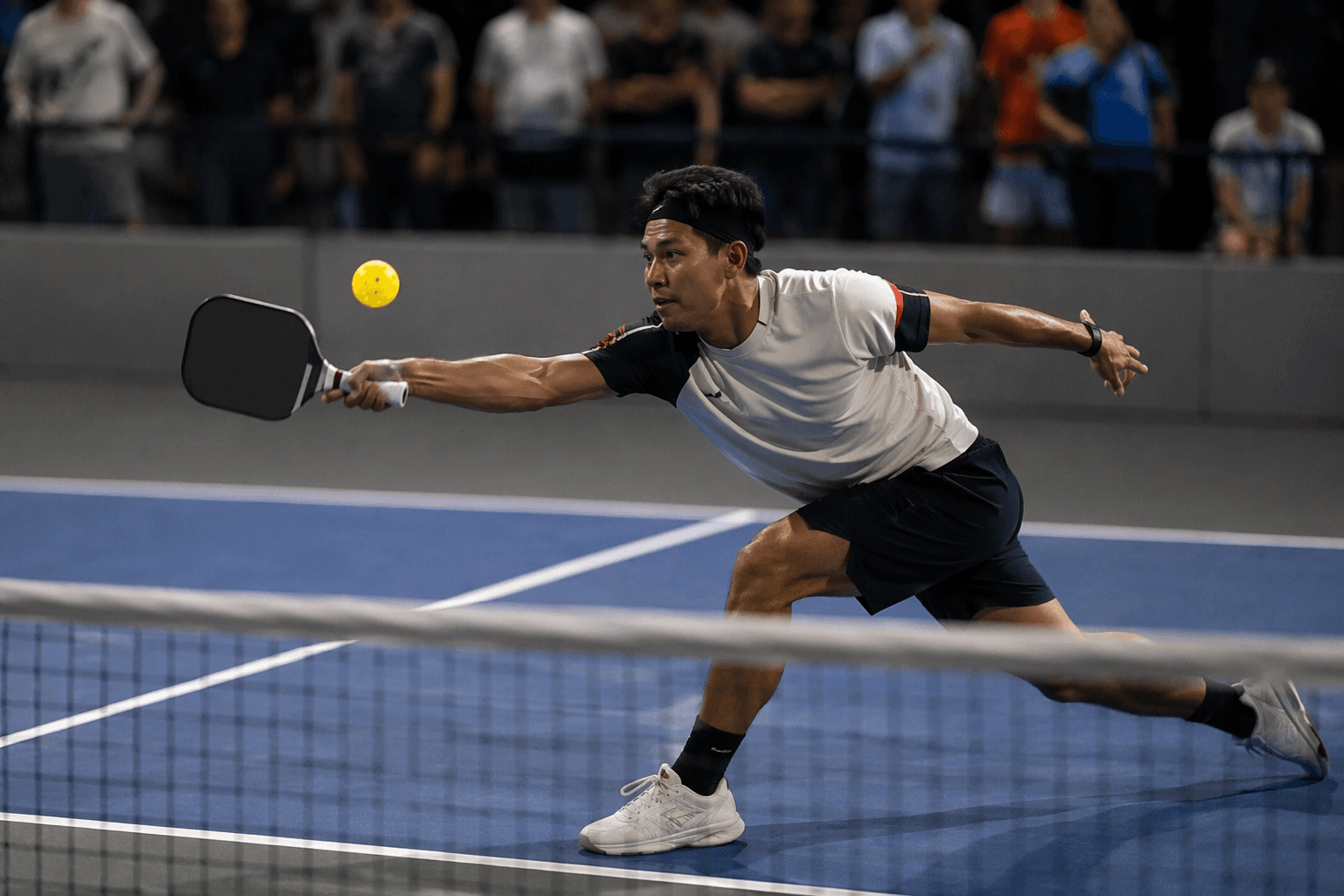
Rob Stirling and Kenta Miyoshi sent the Capital Securities Beijing Open into its sharpest shake-up by knocking out No. 1 seed Zane Ford in men’s doubles, 8-11, 11-8, 11-3, at the National Tennis Centre in Beijing, China. The result mattered well beyond one bracket line. At a PPA Asia 500 stop that ran June 17-21, the win turned the top half of the draw into a far less predictable path and showed how quickly seeding can be overturned in Asian pro pickleball.
Stirling and Miyoshi lost the opening game 8-11, then answered immediately with an 11-8 second game to level the match. The decisive swing came in the third, where they surged to an 11-3 finish and left Ford without a response. PPA Tour Asia’s own post on the match called it a case where Stirling and Miyoshi “eliminates the no. 1 seed,” and another post said the pair were “up 11-7 after 4 hours of play,” a detail that captured how long and physical the contest became.
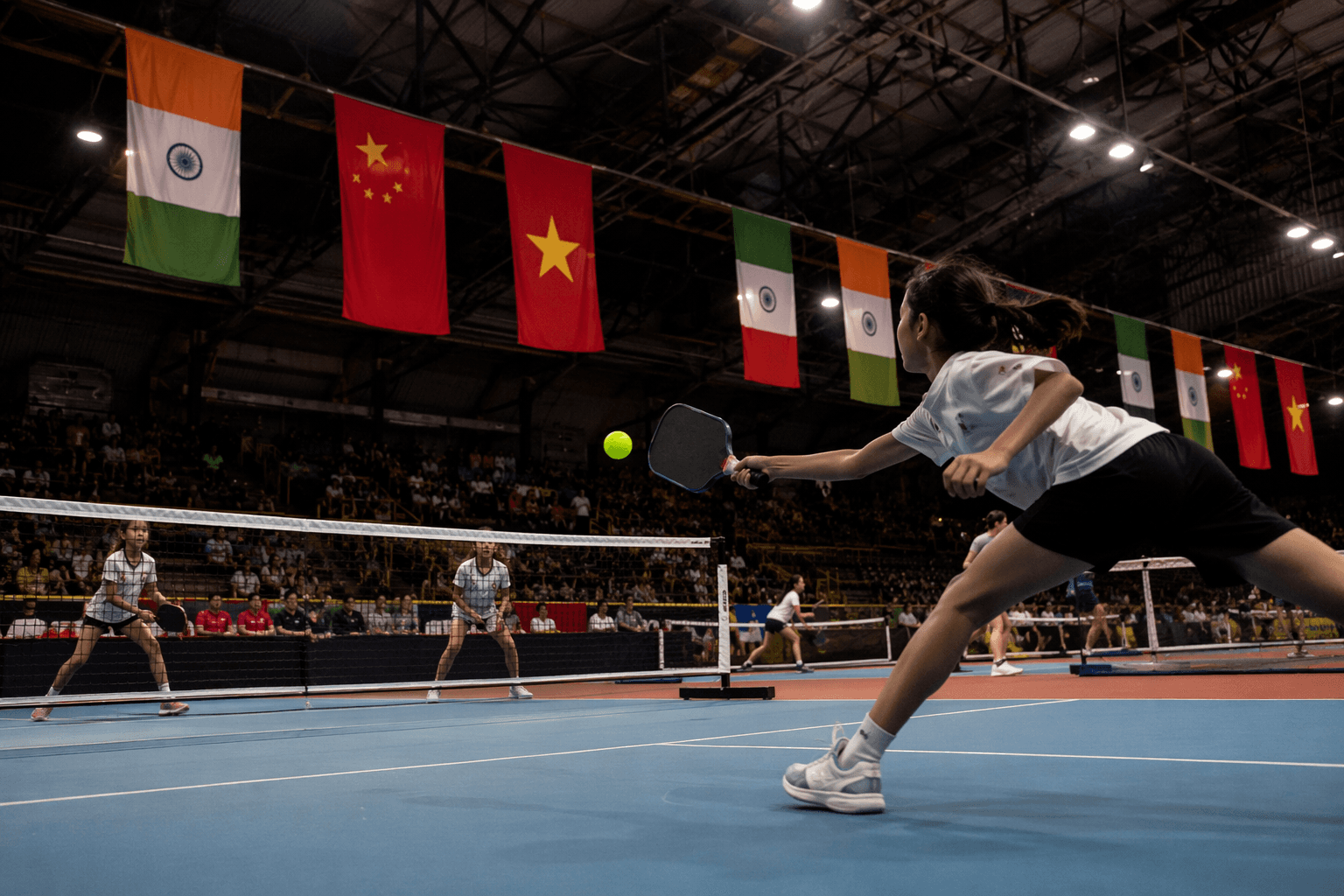
That three-game turn is exactly why Beijing stood out on the regional calendar. The tournament was the first PPA Tour Asia stop in Beijing, and staging it at the National Tennis Centre gave the event a major platform in a market that matters to the tour’s expansion into China. It also fit the broader shape of the bracket, with qualifying, round of 32, round of 16, quarterfinal, semifinal and finals coverage creating a draw where one hot stretch could rewrite the road to the late rounds.
Stirling and Miyoshi did not stop with the top seed. Their run carried them into the men’s doubles final, where they faced Hien Truong and Quan Do. That made the Ford win more than an early-round surprise: it became the moment that changed how the rest of the Beijing Open was viewed, with lower-seeded pairs suddenly seeing a clearer path and the favorites forced to adjust. In a region where depth is tightening fast, Beijing offered another reminder that parity in Asian pro pickleball is no longer a theory but a live bracket reality.
This article was produced by Prism’s automated news system from verified source data, official records, and press releases, then run through automated quality and moderation checks before publishing. The system is built and supervised by the people who set the standards it runs under. Read our full AI policy.
Did this article answer your question?