Ben Johns says better paddles are shrinking pickleball's learning curve in Asia
Ben Johns put paddle tech at the center of the Asia conversation in Kuala Lumpur, arguing better gear is speeding up the path from tennis to pro pickleball.

Ben Johns turned a paddle discussion into a bigger warning for Asian pickleball: the equipment gap is closing, and that is changing who can reach the pro level and how fast.
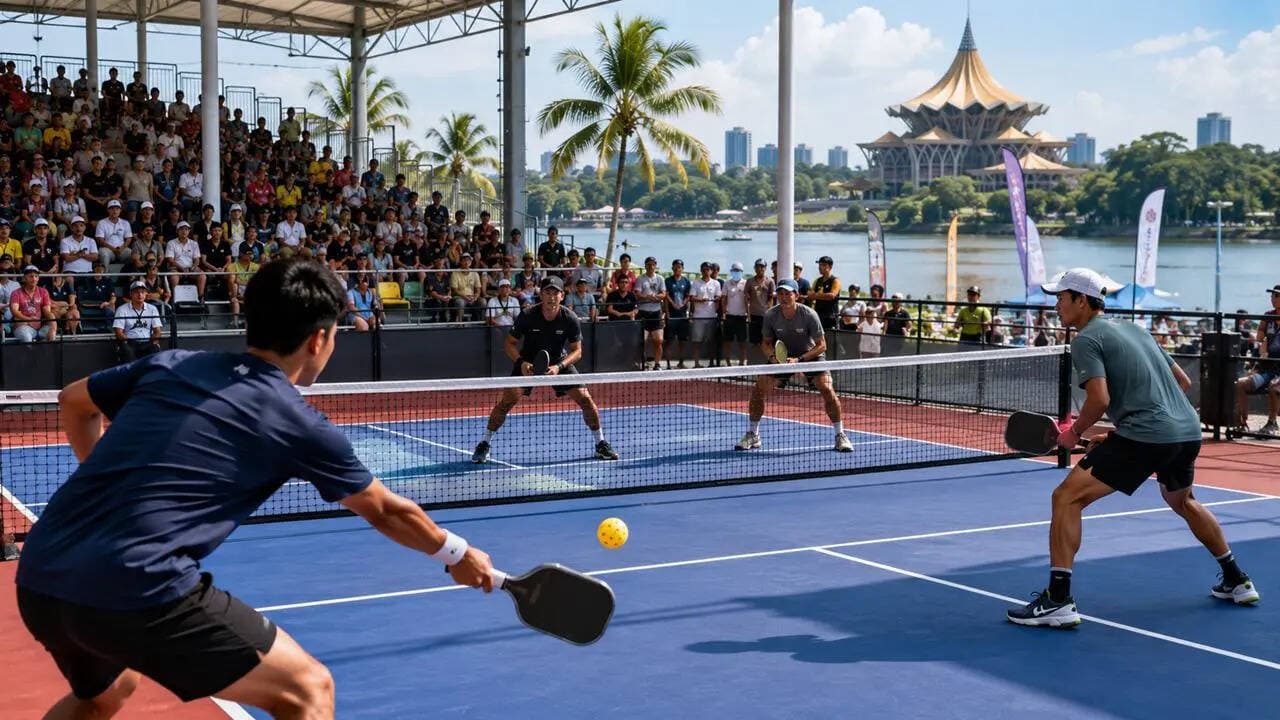
At a media roundtable in Kuala Lumpur during the JOOLA Titans Tour 2026, the world No. 1 said modern paddle design is shrinking the sport’s learning curve. The setting mattered. Johns was speaking in Malaysia, where the game is exploding, with the tour’s Kuala Lumpur stop drawing more than 100 fans and headlined by Johns and Andre Agassi.
His point was simple but disruptive. Better paddles, along with advances in face material and core construction, are helping players convert athletic talent into pickleball results faster than before. That matters most in Asia, where a growing base of tennis players, coaches and club players is now meeting a rapidly maturing equipment market.
The numbers show how large that opportunity has become. UPA Asia and YouGov said in 2025 that about 1.9 billion people across 12 Asian territories had heard of pickleball, 812 million had played at least once, and 282 million were playing at least monthly. The survey covered more than 14,000 respondents and found especially strong awareness among 18- to 35-year-olds. In other words, this is no longer a niche imported sport. It is a mass market with real competitive pressure.

Malaysia sits near the front of that surge. The Malaysia Pickleball Association says the country already has 400,000-plus players, 472-plus venues, 500-plus certified coaches and 74 tournaments. That scale changes the stakes of Johns’ argument. If a paddle can cut months off the transition from casual player to serious competitor, then clubs and coaches have to account for equipment the way tennis programs have long accounted for racquets.
JOOLA has already made that link explicit. The company says Johns helped develop the Perseus Pro V paddle, and it describes the Pro V line as using KineticFrame technology. That is not just a sponsorship detail. It is evidence that elite players are now shaping the tools of the sport while they are still trying to dominate it.
For Asia, the consequence is bigger than one product cycle. If the best paddles keep compressing the gap between an athlete with racquet-sport instincts and a true pickleball-ready game, then access still matters, but hardware may matter even more. The next wave of Asian contenders may not just be training harder. They may be arriving faster because the gear is doing part of the teaching.
This article was produced by Prism’s automated news system from verified source data, official records, and press releases, then run through automated quality and moderation checks before publishing. The system is built and supervised by the people who set the standards it runs under. Read our full AI policy.
Did this article answer your question?