Carbon-Fibre Paddles Dominate Asia as Certification Drives Club Purchases
Carbon-fibre paddles now make up roughly 60% of new SKUs in Asia, and USAPA and CE certification are steering club and tournament purchases.
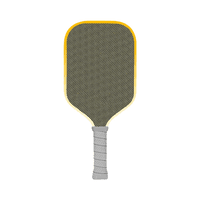
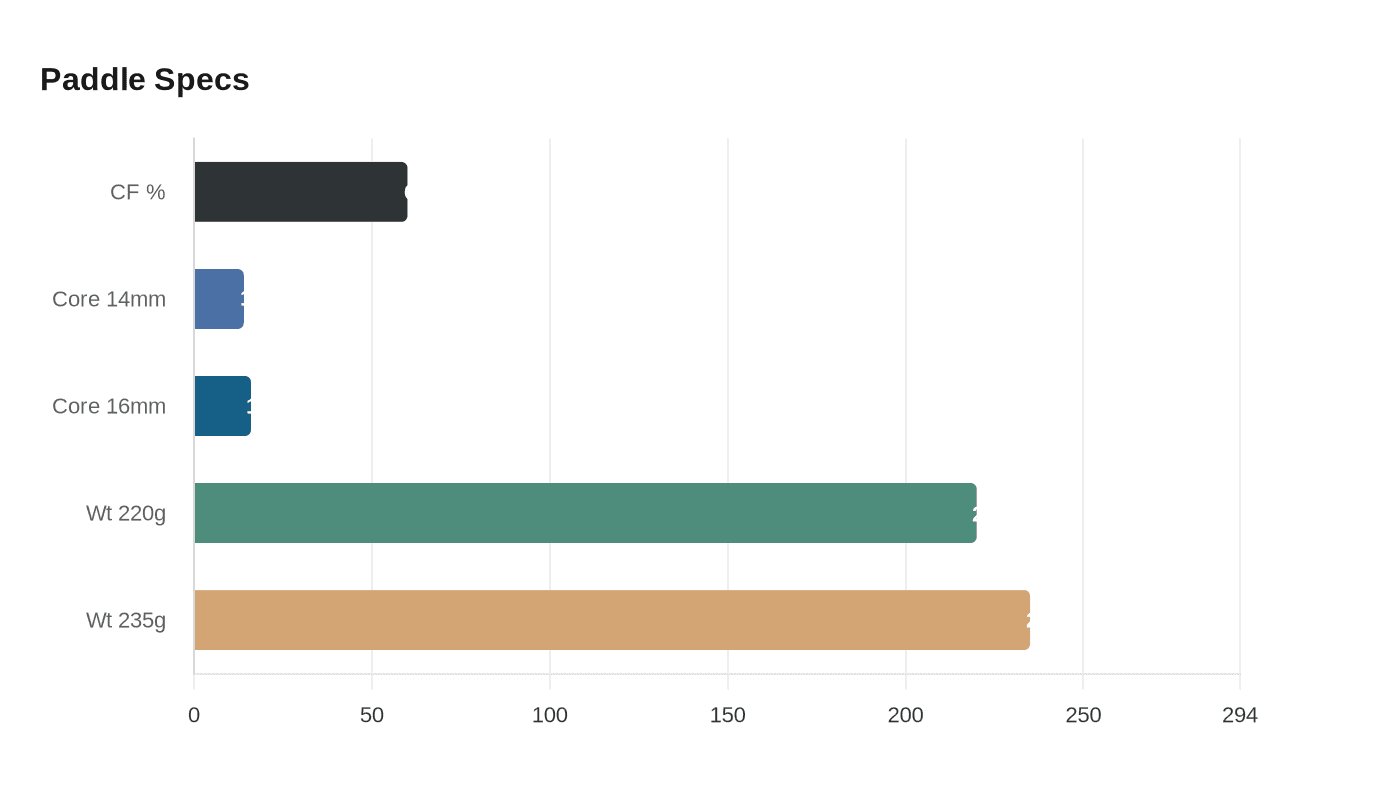
Carbon-fibre faces now dominate new paddle launches across Asia, reshaping club racks, retail assortments, and tournament procurement. Supplier data for 2024–2025 shows roughly 60 percent of paddle SKUs use carbon-fibre faces, while Kevlar and hybrid laminates serve niche demand for ultralight models. Advanced construction features such as borderless surfaces, refined foam and edge-wall assemblies, and polymer honeycomb cores around 14 to 16 mm have migrated from high-end prototypes into mid- and premium-tier paddles.
Certification has emerged as a market gatekeeper. USAPA acceptance and CE safety marks are proving decisive for clubs that supply tournament squads and for brands that export. Suppliers that highlight approvals are finding easier access to tournament channels and club purchasing lists, influencing which paddles educators, coaches, and captains specify for player programs.
The equipment shift has clear performance implications on court. Carbon-fibre faces deliver stiffer response and more predictable pop on serves and third-shot drops, while 220 to 235 g midweight paddles are emerging as the preferred baseline for general membership because they balance maneuverability with drive. Foam-core signature paddles remain the narrow pro line, prized by advanced players seeking dampened vibration and a softer touch on dinks and angle shots. Clubs stocking a two-tier approach - broad carbon-fibre midweights for members and a tight selection of high-end foam-core models for competitive squads - can satisfy both teaching programs and elite prep without inflating inventory costs.

Urban and social dynamics are also steering product innovation. Low-noise foam and soft-ball combinations are flagged as growth opportunities for metropolitan courts where noise complaints and facility curfews limit programming. Brands and distributors that develop ‘dual-use’ paddle lines - durable, lower-rebound models for community sessions alongside tournament-grade paddles for competitive play - can plug into schools, municipal programs, and commercial clubs simultaneously. Localisation in grip sizes and incremental weight options is another practical lever: clubs that stock a spectrum of grip circumferences and a few 5- to 10-gram weight steps report higher member satisfaction and fewer one-off retrofit purchases.
There are commercial lessons for retailers and distributors. Prioritise USAPA-approved carbon-fibre midweights for core inventory, maintain a narrow pro line for signature purchases, and market CE-certified options for export-bound buyers. For the sport’s social footprint, quieter paddle and ball pairings can unlock evening programs and reduce friction with neighbors, supporting grassroots growth in dense Asian cities.
What comes next is a consolidation of carbon-fibre across mid and premium tiers and a premium on certified, regionally tailored offerings; clubs that align purchasing with certification and local playing conditions will be best positioned to serve both recreational dinks and high-performance players.
This article was produced by Prism’s automated news system from verified source data, official records, and press releases, then run through automated quality and moderation checks before publishing. The system is built and supervised by the people who set the standards it runs under. Read our full AI policy.
Did this article answer your question?