China's Shangyou County Uses Pickleball to Power Growth and Global Links
Shangyou County has turned pickleball into an industrial strategy, pairing courts, youth play, and subsidies with manufacturing ambition that could ripple across Asia.
Shangyou County uses pickleball as economic policy
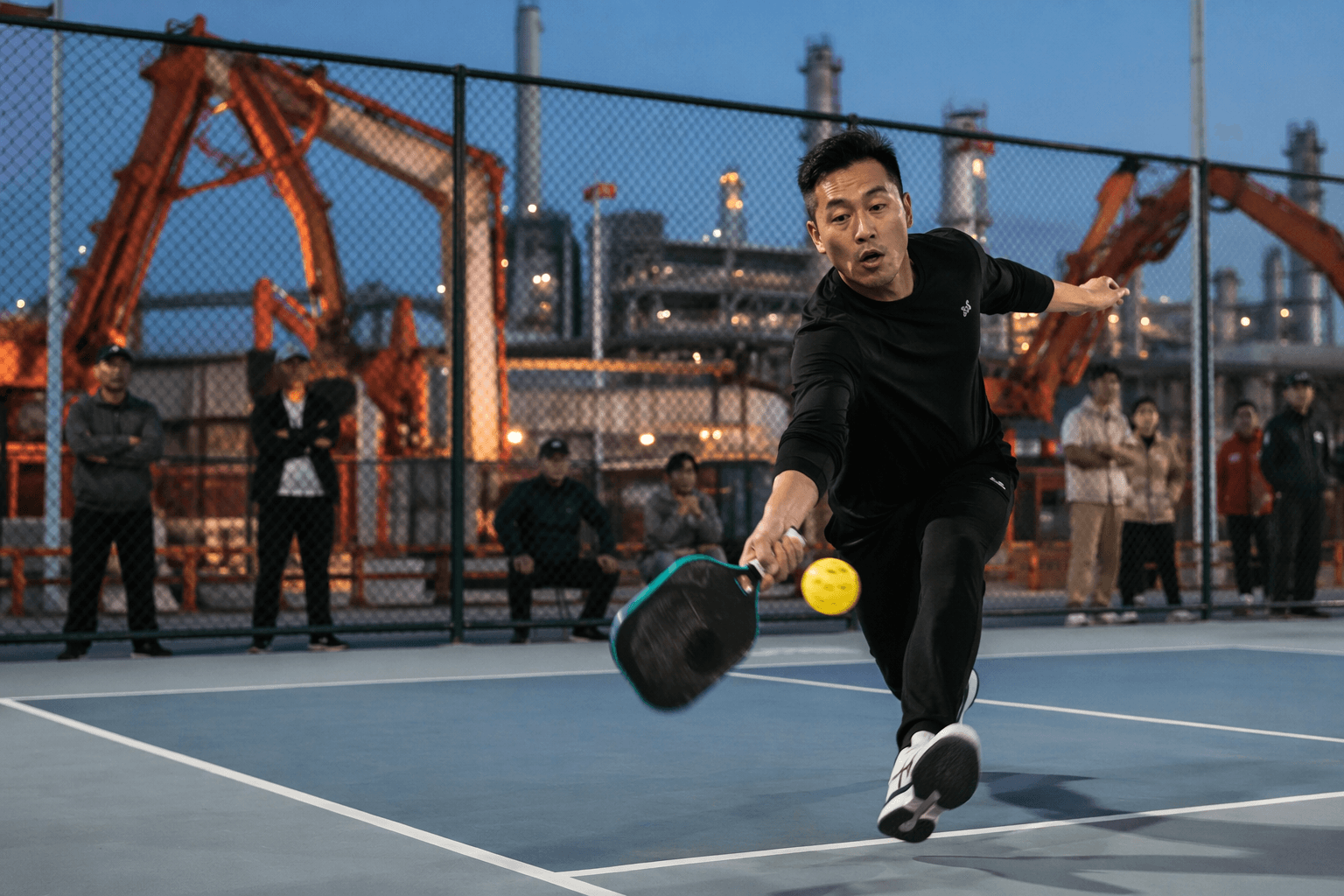
Shangyou County is turning pickleball into more than a pastime. In Jiangxi Province, the remote mountain county known as China’s “Hometown of Pickleball” has tied the sport to growth, public health, youth participation, and a push to build a local industry around the game.
That matters because Shangyou is not a natural heavyweight. A Xinhua report described it as a county of about 267,000 people with no mineral resources, no railway access, and distance from major markets. Instead of treating those limits as a dead end, county officials have framed pickleball as a way to build a new sports economy from the ground up.
A county plan built around courts, subsidies, and scale
Shangyou made pickleball part of county planning in a formal way. Local reporting says the government designated the sport as a cornerstone of its national fitness strategy in 2023, then launched a three-year plan covering 2024 to 2026. The plan includes annual subsidies of 13 million yuan, or about $1.8 million, plus a special fund to support pickleball tournaments.
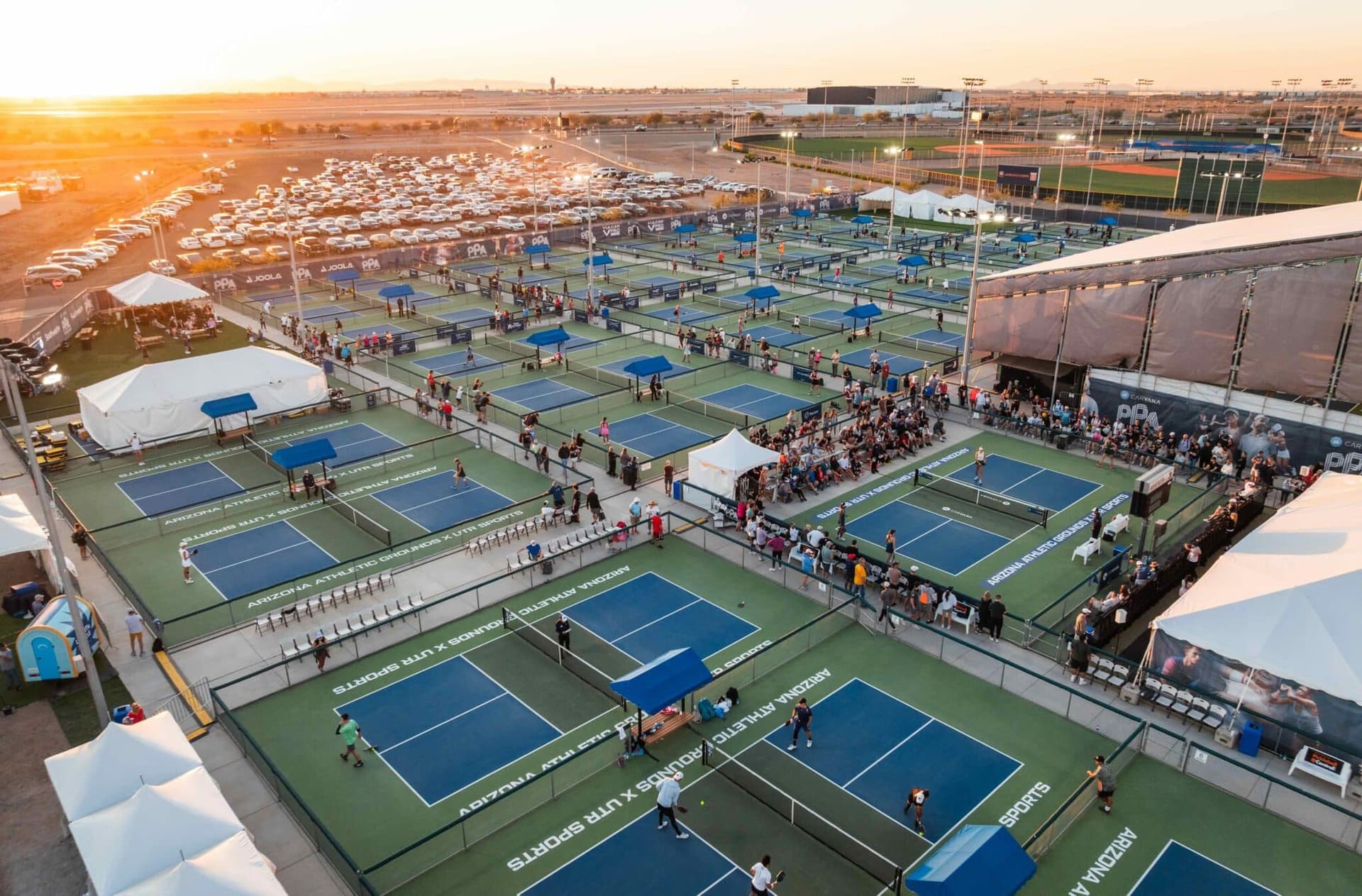
The infrastructure side is just as deliberate. Officials say Shangyou has built or upgraded more than 300 pickleball courts in communities, schools, and parks. The county has described that network as a “10-minute sports circle,” a way to make play reachable in ordinary daily life instead of confined to one venue or one club.
That is the real trade story underneath the sport story. When a county funds courts across neighborhoods and schools, it creates demand for construction, maintenance, coaching, equipment, and event services all at once. Pickleball becomes a local system, not just a leisure activity.
Why smart manufacturing is part of the pitch
An official Jiangxi video presented Shangyou as a model of smart manufacturing and public courts, and framed the county as a growing Asian hotspot for the sport. That matters because the county’s ambition is not limited to hosting matches. It is trying to connect play on the ground with production behind the scenes.
The logic is straightforward: if Shangyou becomes a place where people play, train, and compete, it can also become a place where gear is designed, tested, assembled, and exported. In practical terms, that could influence paddle prices, parts sourcing, and supply-chain decisions well beyond Jiangxi. A county that can support manufacturing capacity tied to a fast-growing sport gains leverage as demand rises across China and Asia.
Shangyou’s position also gives the story broader regional weight. Asia’s pickleball market is still forming, and places that can combine industrial capacity with court growth will have an advantage. If one county can align smart factories, local infrastructure, and consumer demand, it becomes easier to imagine Chinese suppliers shaping the region’s equipment market for years to come.
Events have turned Shangyou into a proving ground
The calendar shows how seriously officials are taking the project. The first China Pickleball Tour in 2024 was held in Shangyou on July 5-6 at the Shangyou Sports Center. Less than a year later, the 2025 Chinese University Pickleball Championship was hosted in Shangyou from November 1 to 6 at the Shangyou Ecological Pickleball Sports Center.
Those events matter because they put the county in front of competitive players, student athletes, organizers, and visitors who can spread the idea of Shangyou as more than a local curiosity. University sport is especially important here. It creates a pipeline from youth participation to organized competition, which is exactly how a niche sport becomes durable.
Shangyou County Education and Sports Bureau officials have been positioning the sport as part of a broader push for national fitness and sports-industry development. That combination of public health language and commercial ambition is central to the county’s model. It is not just about medals or match results. It is about building a long-term participation base that can support events, coaching, and manufacturing at the same time.
Foreign visitors are noticing the model
Shangyou’s appeal is now reaching beyond domestic sport circles. Foreign participants in a Belt and Road Initiative training program praised the county’s green development model and its pickleball industry as an eco-friendly engine for local growth.
That praise matters because it links sport to image and diplomacy. Shangyou is being presented not just as a county that plays pickleball well, but as a place where growth, sustainability, and public amenities fit together. For visiting groups, that makes it a case study in how a small county can use sport to tell a larger development story.
It also gives China a useful export narrative. If the county can show that pickleball helps drive orderly growth, public fitness, and industrial activity without overwhelming local resources, the model can be packaged for other regions looking for affordable ways to build sports participation and a local consumer base.
Why Asia should watch Shangyou now
Shangyou’s rise is bigger than one county in Jiangxi. If the model holds, it could affect how pickleball equipment is priced, where courts are built, and how tournament ecosystems develop across Asia. A county with 300-plus courts, a tournament calendar, youth pathways, and a manufacturing pitch is not just reacting to a trend. It is trying to shape it.
The most important detail may be Shangyou’s starting point. A place with no mineral resources, no railway access, and limited geographic advantages is using a sport to create a new identity in the industrial chain. That is why Shangyou stands out in the regional pickleball boom: it is not only playing the game, it is trying to own part of the business behind it.
If the county keeps aligning policy, participation, and production, Shangyou could become one of the clearest examples of how pickleball is being built in Asia, not just played there.
This article was produced by Prism’s automated news system from verified source data, official records, and press releases, then run through automated quality and moderation checks before publishing. The system is built and supervised by the people who set the standards it runs under. Read our full AI policy.
Did this article answer your question?