Construction Begins on Pickleball and Volleyball Courts in Taman Kapayan
Construction has begun on combined pickleball and volleyball courts in Taman Kapayan, with site preparation and excavation under way - a boost for local youth and the growing pickleball scene.
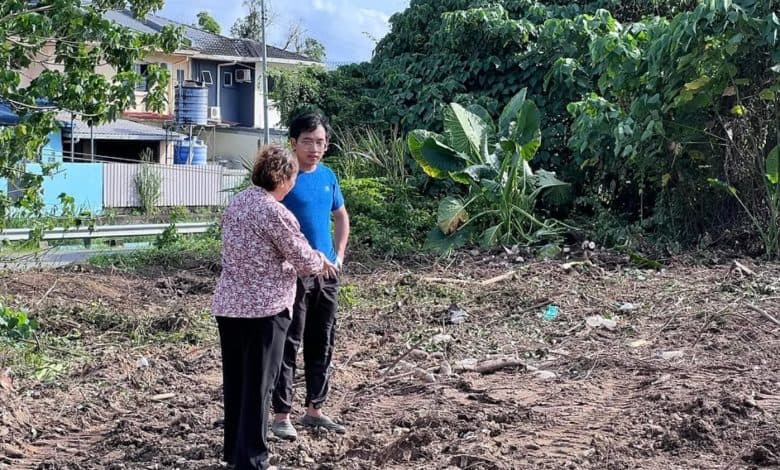
Construction has begun in Taman Kapayan, a residential neighbourhood in Kota Kinabalu, Sabah, on a new set of combined pickleball and volleyball courts that local reports say will expand grassroots access to court sports. Site preparation and excavation works are already under way, signaling the start of a project that sources describe as both a youth development initiative and a nod to pickleball’s rapid rise.
The facilities are being described as multi-use courts catering to pickleball and volleyball play. Lasimbang said, “Kapayan is set to join the global pickleball phenomenon with the construction of brand-new, trend-setting courts in Taman Kapayan.” That framing links local ambitions to the sport’s broader momentum across Asia, where pickleball has moved from recreational parks into formalised club play and community programming.
For players and coaches in Sabah, the immediate impact is clear: more court time and programming options. Pickleball’s low infrastructure cost compared with many other court sports, combined with its cross-generational appeal, makes a combined court layout a pragmatic choice for a residential area seeking to maximise use. Volleyball players will benefit from the same footprint during organised sessions, offering flexibility for neighbourhood leagues, school programs, and casual play.
The business case is equally compelling. New courts create revenue pathways through coaching fees, equipment sales, local tournaments, and sponsorships by sports retailers or community brands. Courts that can host small-scale events may attract regional organisers looking for venue diversity in Sabah, while local coaches and emerging pros will gain clearer pathways to monetise training and clinics.

Socially, the project promises to open structured activity for youth in Taman Kapayan. Local reporting has described the courts as “a significant development for youth.” Increased access to organised sport can improve health outcomes, provide constructive after-school options, and build community networks among parents, volunteers, and volunteer coaches. The combined-use design also encourages cross-training and shared facilities management, which can lower operating costs and broaden participation.
Key details remain to be confirmed. No official timeline, budget, contractor names, or court specifications have been released, and it is not yet clear whether the courts will be free to the public, part of a membership model, or managed by a local authority or private operator. Photographs from the site and formal statements from municipal authorities have not been published alongside the initial reports.
For players, parents, and local sports entrepreneurs, the next steps will be watching for a project schedule, programming announcements, and opportunities to get involved as coaches or organisers. If the courts materialise as described, Taman Kapayan could become an exemplar of how compact, multi-use facilities accelerate grassroots growth in emerging Asian pickleball markets.
This article was produced by Prism’s automated news system from verified source data, official records, and press releases, then run through automated quality and moderation checks before publishing. The system is built and supervised by the people who set the standards it runs under. Read our full AI policy.
Did this article answer your question?