Ex-champion builds pickleball tourism to revive rural Japan
Daniel Moore moved from competing to running pickleball tours and events in Japan, helping revive non-tourist towns and sparking demand for new courts.
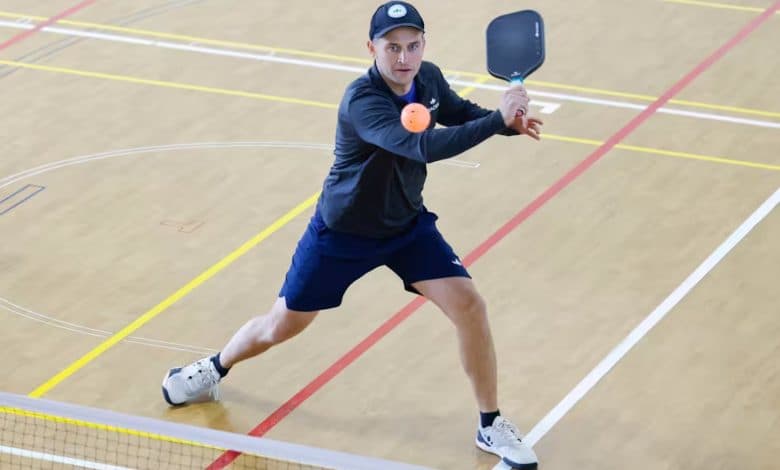
Daniel Moore, an American-born, Japan-raised former national champion, has shifted from mid-2010s title runs to running a travel-driven pickleball operation that is reshaping small-town Japan. Since 2019 he has run Pickleball Trips, producing roughly 20 tours a year and 20–30 promotional events annually that pair visitors with local players and community hosts.
Moore’s model mixes weekend matches with cultural experiences, bringing paddles and players into towns that rarely see tourist foot traffic. The results have been practical and concrete: increased local participation, municipal conversations about infrastructure, and new energy around court time and programming. In Yamanouchi, for example, mayor Gaku Hirasawa has praised the approach and the town is considering building a dedicated pickleball court in response to growing interest.
The appeal is straightforward for players and municipalities. Visitors come for guided tours and social matches that introduce them to local players and venues, while towns get short-term tourism spending and longer-term visibility. Moore has prioritized community development and travel entrepreneurship over a full-time pro career, choosing to invest in grassroots growth rather than chasing a tour schedule. That focus has produced steady, repeatable events rather than one-off exhibition matches.
This model matters for Asia’s pickleball scene because it shows how the sport can be a practical engine for cross-cultural exchange and local economic activity. For communities with limited tourism, pickleball events can fill hotel rooms, boost restaurants, and justify new courts when participation increases. For players, promoting connection over competition broadens access to court time and creates meaningful local partnerships that outlast a single tournament.
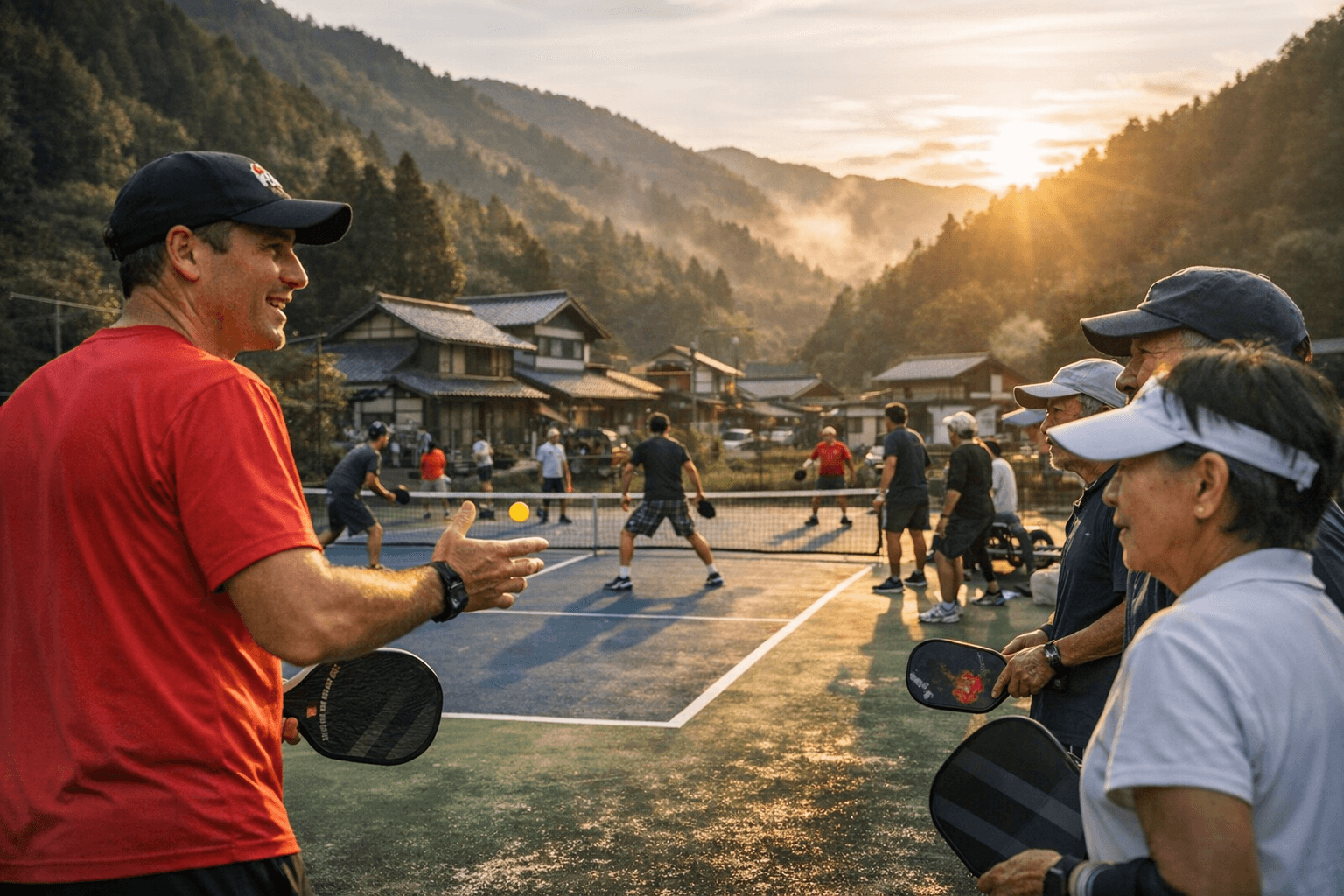
Organizers and clubs looking to replicate Moore’s success should note the scale he operates at: dozens of promotional events a year combined with multiple tours, all designed to connect visitors with local players rather than only staging high-profile matches. That grassroots focus helps build consistent demand for court infrastructure and community programming.
Our two cents? Start small, aim for repeat visits, and make matches social first and competitive second. Bring visiting players into local kitchens as well as onto the kitchen line, track participation numbers, and keep municipal leaders in the loop; once a town sees regular foot traffic and a steady rink of dinks, funding and courts often follow.
This article was produced by Prism’s automated news system from verified source data, official records, and press releases, then run through automated quality and moderation checks before publishing. The system is built and supervised by the people who set the standards it runs under. Read our full AI policy.
Did this article answer your question?