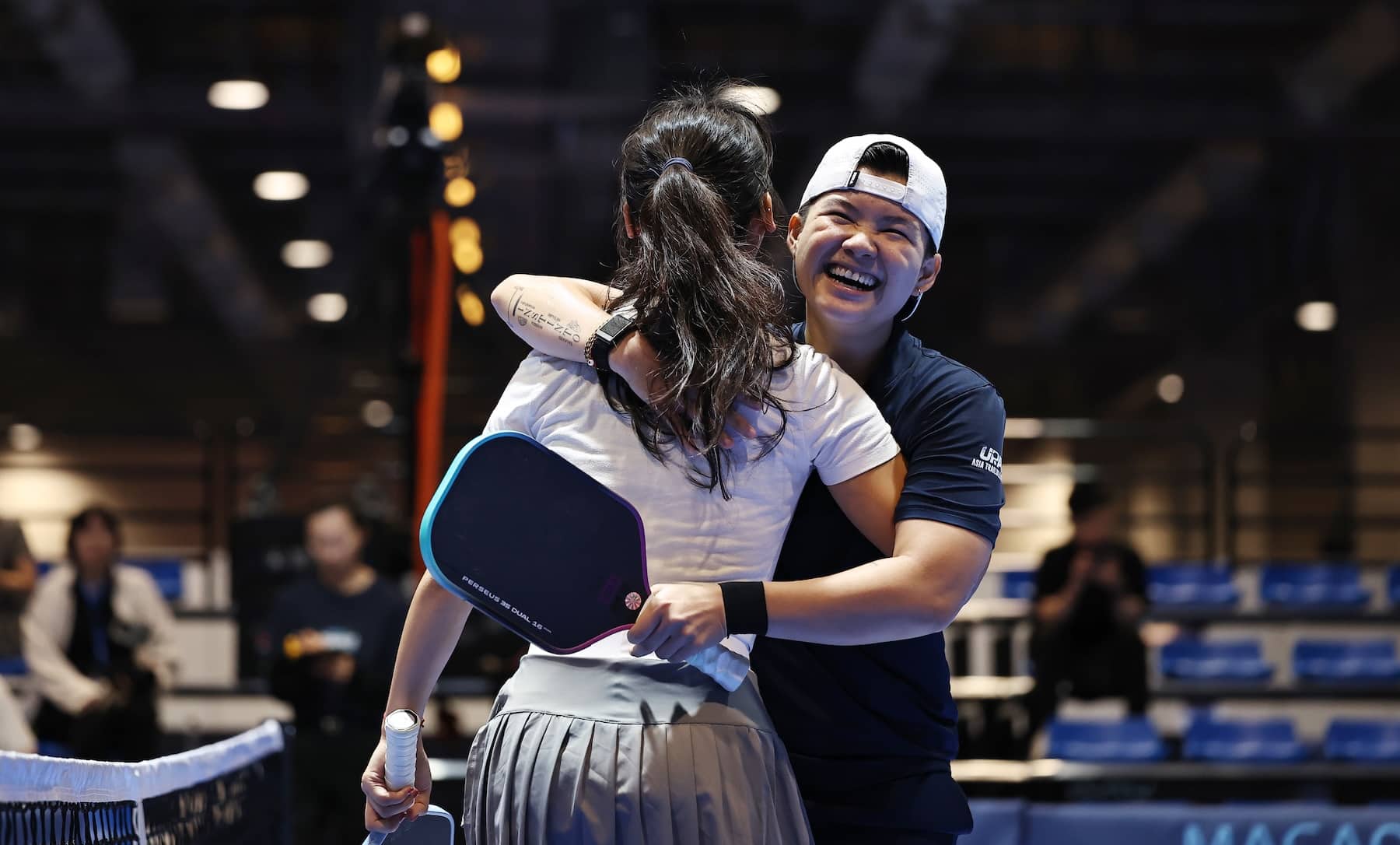
Global Pickleball Federation election gives member countries stronger voice
Member countries voted for ten at-large directors, giving Asia a clearer path to shape pickleball’s rules, funding priorities and marquee events.

Pickleball’s global power structure shifted as member countries in good standing took part in the first-ever election of ten at-large directors on May 27, a vote run on an independent third-party platform and verified by the Nominating and Vetting Committee. The Global Pickleball Federation said the result marked its move into a member-led era, with voting members now having a direct say in a board that combines five continental directors and ten at-large directors who chair committees on membership, officiating, marketing, community development, coaching and instruction.
That matters far beyond boardroom optics. Under the older, more centralized model, continental chairs carried most of the governance weight. The new structure spreads influence across elected at-large directors from a wider set of pickleball markets, including leaders linked to Chile, Canada, South Africa, the United States, Japan, Samoa and Venezuela. For Asia, the signal is especially important because the region is no longer just supplying players and hosts. It is helping shape the rules and pathways that determine who gets recognized, how officials are trained, where development money flows and which countries get a better shot at marquee events.
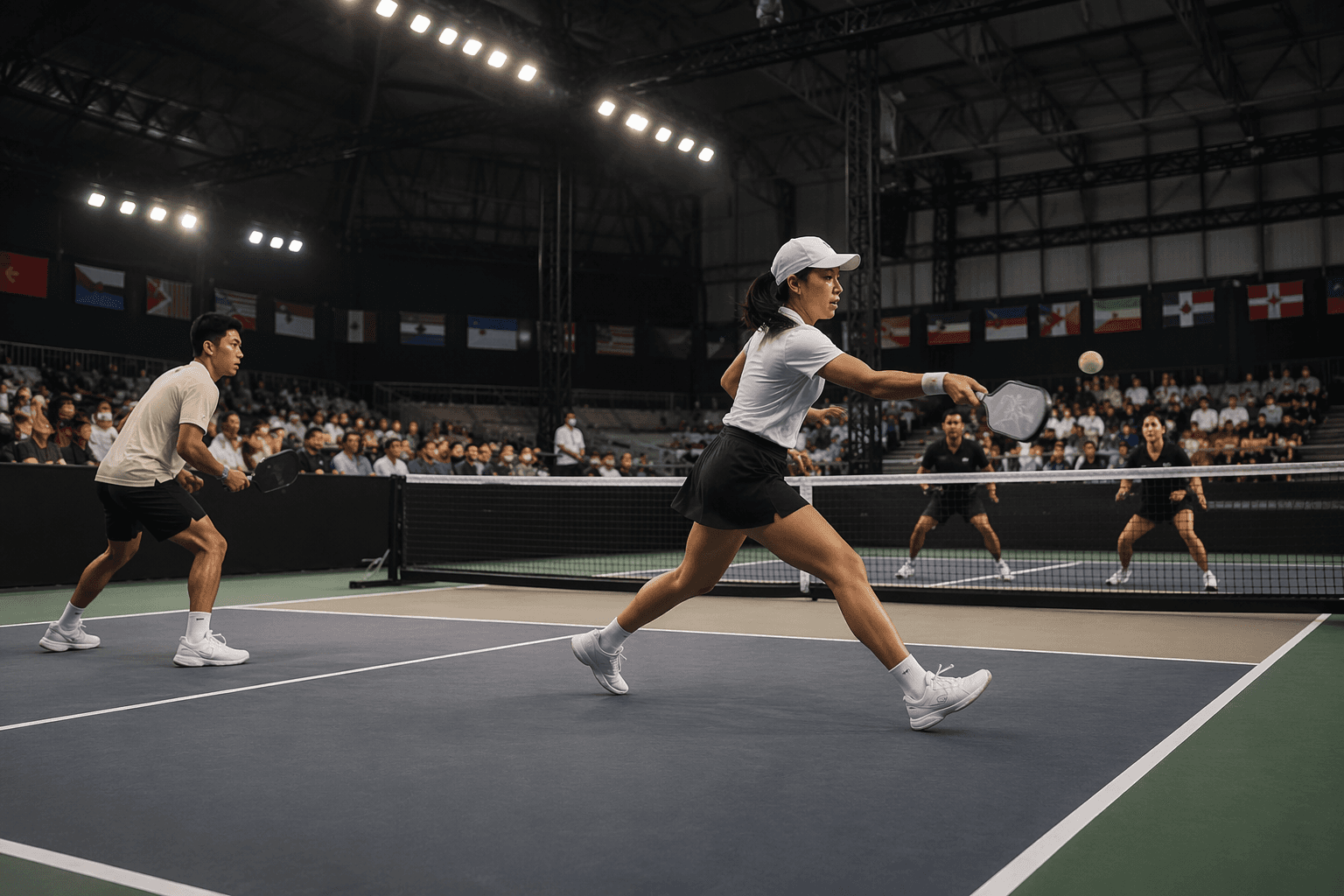
Japan’s Rika Riordan has become one of the clearest faces of that shift. Her rise also reflects how quickly the region’s governance network is widening: Japan’s federation says Riordan was elected in August 2025 as an inaugural board member of the United World Pickleball Federation in a vote involving directors from 39 countries, and that the Asia Federation of Pickleball completed its application for membership with the Olympic Council of Asia in May 2025. The Asia federation says it now has 18 members and an estimated 70,000 players across member countries, while Japan’s unified national organization lists more than 3,200 members, 53 partner organizations and five official courts.
The practical question for Asia is whether this translates into leverage, not symbolism. On paper, yes. With at-large seats inside the Global Pickleball Federation board and committee system, Asian federations gain a clearer route to influence membership policy, officiating standards, coaching pathways and development priorities. That does not guarantee Asia will control rankings or land every major event. But it does mean the region now has more seats at the table where those decisions are made, at a moment when pickleball’s commercial growth is racing ahead of its institutions. For a sport still building its global hierarchy, that is a real power shift.
This article was produced by Prism’s automated news system from verified source data, official records, and press releases, then run through automated quality and moderation checks before publishing. The system is built and supervised by the people who set the standards it runs under. Read our full AI policy.
Know something we missed? Have a correction or additional information?
Submit a Tip